The WW1 Brodie helmet, officially known as the Pattern 1917 helmet, emerged from the critical need for soldier protection during World War I, an era characterized by trench warfare and unprecedented casualty rates. As the war unfolded, there was a pressing demand for effective headgear that could defend against artillery shrapnel and debris. The helmets preceding the Brodie were largely ineffective, often leaving soldiers vulnerable to serious head injuries.
Designed by John Leopold Brodie, a British engineer, this helmet shifted the paradigm of military headgear. First issued in 1916, its design was revolutionary—featuring a distinctive steel shell with a wide brim. This design provided not only protection but also improved the soldier’s visibility and comfort in the line of duty. The heavy-duty steel used in these helmets was a significant advancement over the cloth caps that were common prior to their introduction.
The significance of the WW1 Brodie helmet extends beyond its functional purpose; it became a symbol of a modernized and industrialized military. As soldiers donned the helmet, it quickly became embedded in the culture of warfare, representing not only tactical evolution but also the harsh realities and grave challenges faced by soldiers on the front lines. The helmet’s practicality and durability contributed to its widespread adoption, making it an essential item in a soldier’s equipment. As a result, the Brodie helmet played a vital role in mitigating the devastating effects of warfare, highlighting the importance of innovation in military technology.
In examining the Brodie helmet, one can grasp both its historical significance and its impact on soldier safety, marking an important milestone in military apparel during a tumultuous period in history.
Design and Features of the Brodie Helmet
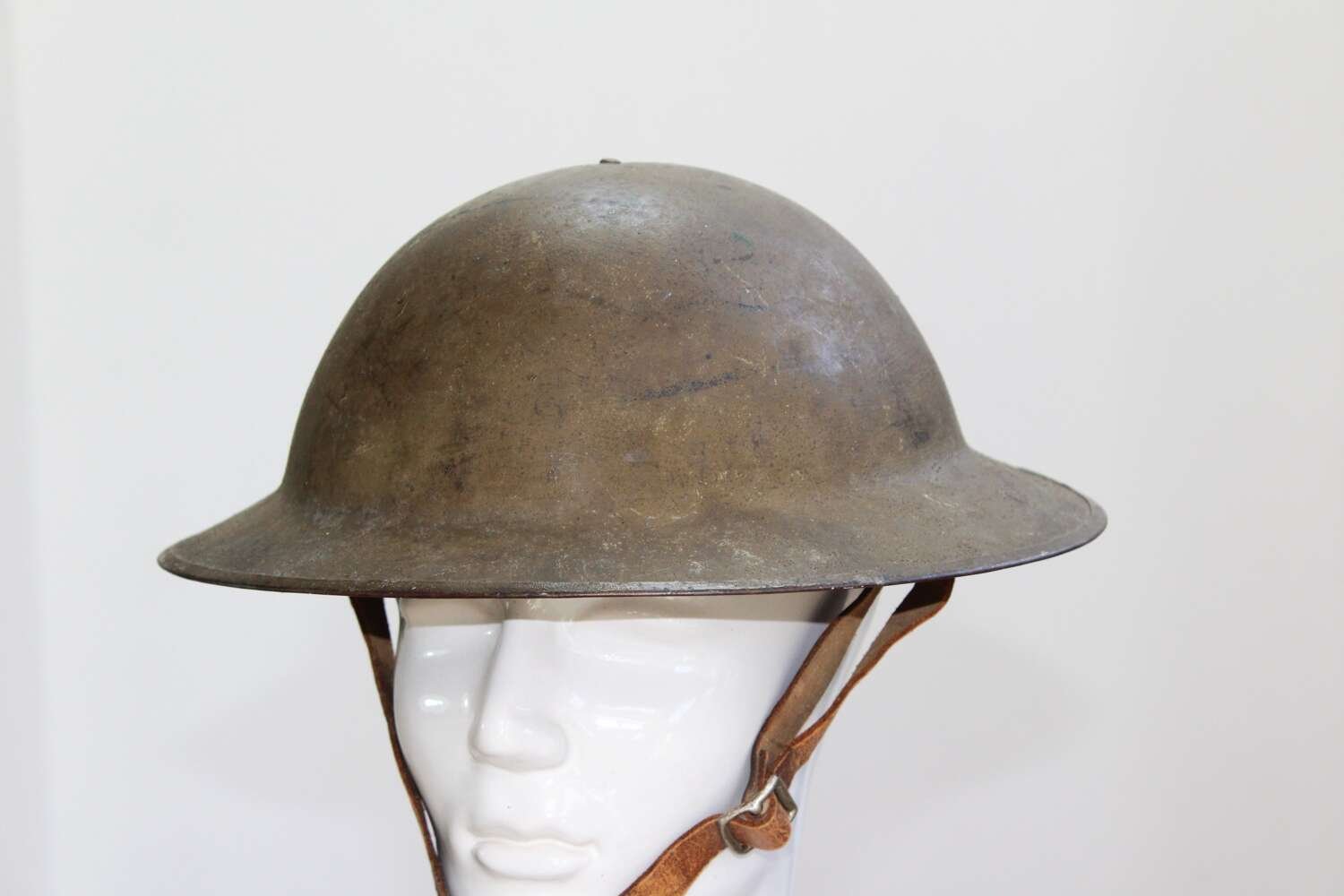
The WW1 Brodie helmet, also known as the “Tommy helmet,” emerged from a need for enhanced protection for soldiers during the Great War. Its distinctive design and various features made it a significant advancement in military headgear. The overall shape is characterized by a wide brim and a rounded crown, which was intended to deflect shrapnel and other debris away from the soldier’s head. The broad rim also provided additional coverage for the neck area, contributing to the helmet’s effectiveness in the battlefield.
The primary material used for the Brodie helmet was steel, which offered superior durability and resistance against projectiles compared to previous types of headgear. This steel construction was not only practical but practical for the manufacturing capabilities of the time, allowing for mass production. The introduction of the helmet into service marked a pivotal moment in military history, as it set a new standard for protective gear.
Color played a crucial role in the design of the Brodie helmet. Typically, the helmet was finished with a dark, matte paint which minimized glare and helped soldiers blend into the surrounding environment. This feature made the helmet less conspicuous to the enemy, enhancing the wearer’s safety. Additionally, the inside of the helmet was lined with a fabric or leather liner and a chinstrap, providing comfort and ensuring a snug fit. These elements combined to allow soldiers to wear the helmet for extended periods without significant discomfort, thus aiding in their overall performance during combat.
The careful integration of these design elements showcases the innovation behind the WW1 Brodie helmet. Each feature informed functional capacity and comfort, promoting a balance between protection and usability that was previously lacking in military headgear.
The Evolution of Military Helmets Before WW1
The history of military helmets stretches back centuries, with designs evolving to address the diverse threats faced by combatants. Prior to World War I, helmets such as the Pickelhaube, which was used by German forces, exemplified the era’s focus on aesthetics and display rather than practical protection. Made from metal and often embellished, the Pickelhaube offered minimal defense against modern weaponry, such as shrapnel and bullets.
By the late 19th century, with the advent of industrial warfare and the increased lethality of firearms, military strategists recognized the need for improved head protection. The introduction of soft caps, such as the British home service helmet, was intended to provide soldiers with some shield against felled debris and minor impacts but fell short in battlefield conditions. Their lack of rigidity left soldiers vulnerable during armed encounters.
Compounding this issue, the introduction of modern artillery in the early 20th century resulted in the proliferation of high-velocity projectiles, leading to severe head injuries among soldiers who were still using outdated models. This disastrous trend highlighted the urgent need for a helmet that would not only provide comfort but also adequate protection against the newly emerging threats on the battlefield.
As military forces adapted to the challenges of modern warfare, various nations began exploring reinforced designs. The French Adrian helmet and the British Brodie helmet emerged from these explorations, aiming to elevate the standards of headgear by marrying functionality with feasible helmet production techniques. The evolution of military helmets before WW1 set the stage for the iconic Brodie, which ultimately addressed the crucial gaps exposed by its predecessors, introducing significant improvements in both structural integrity and combat utility.
Production and Distribution During the War
The manufacture of the WW1 Brodie helmet was a significant undertaking, reflecting both the urgency of the times and the innovative spirit of the era. Following its introduction in 1915, the helmet quickly became essential for British troops, necessitating large-scale production to meet the demands of a rapidly expanding military. The production was primarily carried out by the British firm of Brico, which utilized a process of stamping steel into the signature shape of the helmet. By the end of the war, an estimated 7 million Brodie helmets had been produced, underscoring the scale of this operation.
Key to the effective distribution of the Brodie helmet was the logistical coordination among military supply depots and frontline units. Distribution was a complex task, given the war’s widespread geographic nature and the dynamic front lines. Helmets were typically shipped in bulk to depots stationed near combat zones, from where they were allocated to infantry units as required. This process ensured that soldiers were equipped efficiently, though it also posed the challenge of ensuring that newly arrived helmets were properly fitted and distributed in a timely fashion.
The British government implemented a rigorous oversight system to monitor the production and distribution of these helmets. Regular inspections were conducted to maintain quality and ensure that production goals were met. Although there were initial issues with supply chain disruptions, particularly early in the war, by mid-1916, the Brodie helmet became a symbol of protection well-integrated into the uniforms of soldiers. Its mass production not only marked a turning point in military gear but also highlighted the adaptation of industry to wartime needs. The successful rollout of the Brodie helmet was an exemplary demonstration of wartime innovation and efficiency.
The Brodie Helmet in Battle: A Soldier’s Perspective
The WW1 Brodie helmet, officially known as the “steel helmet,” was introduced to provide greater protection for soldiers during the brutal trenches of the First World War. Numerous firsthand accounts from those who donned this iconic headgear reveal much about its performance and the psychological comfort it offered amid battle chaos. Soldiers were initially skeptical of wearing a helmet, accustomed to other forms of headgear; however, experiences soon changed their perception.
One soldier, Private James Harrison, recalled being saved by his Brodie helmet during an attack: “I had just moved up to the front line when I felt a sharp blow to my head. I thought for sure it was the end, only to find that my helmet had absorbed the impact of shrapnel. I could hardly believe it!” Such testimonies highlight the helmet’s essential role in survival, underscoring its effectiveness against various battlefield threats, including artillery fire and shrapnel.
Moreover, the Brodie helmet provided a psychological edge. Many soldiers reported feeling more secure when wearing it. Corporal Thomas Dickens remarked, “Wearing the helmet made me feel like I had a fighting chance. It wasn’t just metal on my head; it was a shield of hope. Knowing that I had something protecting me made it easier to face the fear of combat.” This emotional comfort was imperative in a war characterized by uncertainty and terror.
In various encounters, the Brodie helmet also enabled soldiers to identify comrades amidst the chaos, fostering a sense of camaraderie. The distinct shape and design became synonymous with the British Expeditionary Force, creating a shared identity among those who served. As numerous accounts from the trenches illustrate, the WW1 Brodie helmet was not merely protective equipment; it became an indelible part of a soldier’s experience in battle, embodying both survival and shared purpose.
Aftermath of WW1: The Brodie Helmet’s Legacy
The conclusion of World War I marked significant changes in military strategy and equipment, with the Brodie helmet becoming a prominent symbol of these transformations. Initially designed for British soldiers to provide enhanced protection from shrapnel and debris, the WW1 Brodie helmet’s unique structure influenced a paradigm shift in helmet design that resonated for decades. Its distinct bowl shape and incorporation of a rim offered not only durability but also comfort, leading to widespread adoption by various military forces around the globe.
In the years following the war, the Brodie helmet was utilized in numerous conflicts, including World War II, where improvements were made to its design based on feedback from frontline soldiers. Various nations adapted the Brodie design to better suit their specific needs, showcasing its versatility and impact on military headgear. For instance, the United States produced its own version, known as the M1 helmet, which drew inspiration from the Brodie but incorporated additional innovations to enhance protection further.
Moreover, the Brodie helmet’s influence extended beyond the battlefield, impacting civilian protective gear. In the aftermath of the war, as industries developed new materials and production techniques, lessons learned from the manufacturing of the WW1 Brodie helmet were applied to create various forms of safety equipment. Its legacy persists today in the design of modern helmets used by military and law enforcement agencies, underscoring the enduring significance of this pioneering form of protective headgear.
Overall, the Brodie helmet not only served its primary purpose during WW1 but also paved the way for future advancements in helmet technology. Its evolution reflects the ongoing need for protective innovation in an ever-changing landscape of warfare and safety.
Collecting Brodie Helmets: A Hobby and an Investment
The burgeoning interest in collecting WW1 Brodie helmets has become a notable trend among history enthusiasts and collectors alike. These iconic helmets, originally designed for British soldiers in the First World War, not only represent a significant era in military history but also provide an intriguing hobby for those who appreciate antiques and collectibles. As with any collectible, a thorough understanding of the market is essential for both enjoyment and investment.
For individuals considering delving into the world of Brodie helmet collecting, it is crucial to know what to look for in a genuine piece. Genuine WW1 Brodie helmets exhibit specific characteristics, such as the presence of an interior lining or the distinctive shape and texture of the helmet shell, typically made from steel. Collectors should also familiarize themselves with the insignias that denote which regiment a soldier belonged to, as these details can significantly enhance a helmet’s value.
Pricing factors can vary widely, influenced by the helmet’s condition, historical provenance, and rarity. Helmets that have been restored may offer a more affordable entry point but can lack the sentimental and historical authenticity that original pieces hold. Conversely, pristine, documented examples may command high prices in auctions as they are viewed as a worthy investment. Collectors should stay informed about market trends and auction results to gauge fair pricing.
Aside from financial considerations, the value of collecting WW1 Brodie helmets lies in their historical significance and the stories they carry. Many collectors foster a meaningful connection to the past by preserving these helmets. Engaging with fellow enthusiasts through forums or attending specialized events can also enhance the collecting experience, fostering a community committed to the appreciation of militaria.
Famous Variants and Customizations of the Brodie Helmet
The WW1 Brodie helmet, originally designed for the British Army, saw various adaptations and customizations that reflected the needs and identities of different regiments and countries. One of the most notable variants is the “Mk I” helmet, which was introduced in 1916. This model featured a distinctive dome shape and a rim that provided essential protection against shrapnel and debris on the battlefield. The Mk I was eventually adapted into further iterations, each addressing specific requirements based on feedback from the front lines.
Another variation worth mentioning is the Canadian Brodie helmet, which retained the basic design principles of the original but often included the addition of camouflage patterns. This specific adaptation arose from the desire to enhance concealment in forested and rural terrains, allowing soldiers to blend more effectively into their surroundings. Such customizations played a pivotal role in the development of tactical gear during the war.
Additionally, the Australian forces utilized a uniquely modified Brodie helmet which sometimes included the addition of a brim, resembling more of a cowboy hat. This was particularly beneficial in providing shade from the intense sun during campaigns in the harsh Australian summer. Other regiments across the commonwealth also introduced variants with insignia or camouflage, reflecting their national pride and commitment to the war effort.
Throughout the conflict, other nations also adopted the Brodie helmet, each making their own alterations. The American forces, for instance, initially used the Brodie helmet before transitioning to their own M1917 helmet, which was influenced by the Brodie design but featured different materials and shapes. These adaptations and variants showcase the Brodie helmet’s versatility as a crucial piece of protective gear, ensuring it remained relevant to the evolving circumstances of World War I.
Conclusion: The Enduring Symbol of Courage
The WW1 Brodie helmet, introduced during the First World War, serves as a significant emblem of not only military innovation but also the spirit of courage exhibited by soldiers on the battlefield. Initially designed to protect troops against shrapnel and other forms of attack, the Brodie helmet represents a shift in military gear that prioritizes the safety and well-being of soldiers. Its unique design, characterized by a broad brim and a deep crown, was revolutionary for its time and effectively addressed the hazards faced by infantrymen in modern warfare.
Beyond its functional attributes, the Brodie helmet has transcended its original purpose, becoming an enduring symbol of the sacrifices made during the Great War. Countless soldiers donned this headgear, and it became an inseparable part of their identity, illustrating the reality of war while also fostering a sense of camaraderie and resilience among troops. The visual association between the helmet and the soldiers it protected has led to its lasting legacy as an iconic representation of the era.
Even today, the influence of the WW1 Brodie helmet endures in military apparel design. Its principles have informed subsequent generations of combat helmets, ensuring that modern designs maintain a focus on maximizing protection while remaining practical for military use. As a testament to its significance, the Brodie helmet occupies an essential place in both historical discussions and military evolution. In summary, the Brodie helmet is not merely an item of protective gear; it is a vivid reminder of the courage, innovation, and collective experience of soldiers who served during one of history’s most tumultuous periods.