The story of Willys Overland traces back to the early 20th century, with its founding by John Willys in 1908. Originally established as the Willys-Overland Company in Toledo, Ohio, the firm was born out of a desire to innovate in the burgeoning automobile industry. John Willys was instrumental in recognizing the potential of automobiles and leveraging that to cultivate a successful enterprise.
In its formative years, Willys Overland quickly gained traction, primarily by producing affordable and accessible vehicles. The company’s first notable success came with the introduction of the Model 59 in 1910, a vehicle designed for utility and efficiency. This focus on practical automobiles placed Willys Overland on the map, allowing it to compete against established giants like Ford and General Motors.
By the 1920s, Willys Overland enjoyed significant milestones, including the launch of the Whippet, which became immensely popular due to its reliability and appropriated design for both family and commercial use. This model positioned the company as a serious contender in the automotive market, thanks to its well-designed features and competitive pricing.
However, it was during the Great Depression that Willys Overland faced immense challenges. Despite economic hardships that led many manufacturers to shut down, the company continued operations by diversifying its product line. Innovations such as four-wheel drive vehicles emerged during this period, ultimately leading to the production of the famous Willys Jeep, which would later play a crucial role during World War II.
In summary, the origins of Willys Overland reflect a remarkable journey marked by innovation, resilience, and a commitment to producing quality automobiles. From its humble beginnings under John Willys to becoming an influential player in the American automotive landscape, the legacy of Willys Overland has undoubtedly shaped the industry’s trajectory.
Innovative Designs and Vehicles
Willys Overland has played a pivotal role in the evolution of American automotive design, marked by innovative vehicles that have left an indelible mark on the industry. Founded in 1908, the company carved out a niche for itself with a series of groundbreaking designs that often anticipated mainstream trends. Among the most notable of these vehicles is the Willys Jeep, which came into prominence during World War II. This revolutionary vehicle featured a lightweight, durable frame, four-wheel drive capability, and a highly functional design that made it uniquely suited for military service.
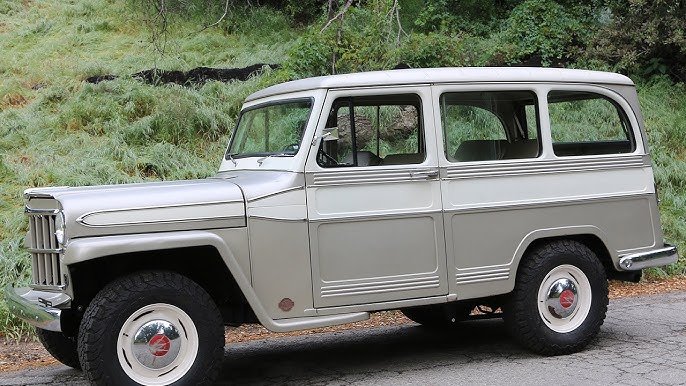
Beyond its wartime contributions, Willys Overland was also innovative in the civilian sector. The Willys Station Wagon, introduced in 1946, was one of the first all-steel-bodied station wagons, combining utility and family-friendly design. This vehicle not only showcased the versatility of Willys Overland’s engineering but also set a new standard for family vehicles of its time, influencing design trends that followed for decades.
Technological advancements were integral to the innovations pushed forward by Willys Overland. The introduction of the F-head engine in the 1950s represented a significant leap in automotive engineering, offering improved performance and fuel efficiency. This engine was notable for its overhead intake and flat-head exhaust, which enhanced the vehicle’s power without sacrificing reliability.
Another model worth mentioning is the Willys Pickup, launched in 1947, which blended rugged durability with consumer-friendly design. The combination of functionality and innovative design principles made it a popular choice among both businesses and families. With its strong emphasis on practicality and tough performance, the Willys Pickup captured the essence of American ingenuity in automotive design.
Through these innovative designs and vehicles, Willys Overland not only shaped the automotive landscape but also set benchmarks for future manufacturers to aspire to, underscoring its legacy as a cornerstone of American innovation.
Willys Overland and World War II
The impact of Willys Overland during World War II is a significant aspect of the company’s legacy, primarily through its pivotal role in the production of military vehicles. As the United States mobilized for war in the early 1940s, the demand for reliable and versatile military transportation reached unprecedented levels. Willys-Overland was awarded a government contract to produce a lightweight, all-terrain vehicle that would become one of the most iconic symbols of American military might: the Willys Jeep.
The design and functionality of the Willys Jeep addressed the specific needs of the U.S. Armed Forces, offering a durable and agile vehicle capable of traversing rugged terrains. This adaptability made it indispensable in various theaters of war, from the European front to the Pacific islands. The production of the Willys Jeep not only showcased American ingenuity but also underscored Willys Overland’s commitment to supporting the war effort, which ultimately contributed to the Allied victory.
With the versatility to serve multiple roles, the Willys Jeep was employed for reconnaissance, troop transport, and even as a platform for weapons. Moreover, its relatively low production cost allowed for mass replication, embodying efficient wartime manufacturing practices. By the end of the war, approximately 640,000 units of the Willys Jeep had been produced, establishing it as a crucial asset in military logistics.
The legacy of Willys Overland is inseparably intertwined with its contributions during World War II. The success and popularity of the Willys Jeep not only solidified the company’s reputation but also paved the way for future innovations in the automotive industry. It marked a turning point in the company’s history, highlighting how military needs can drive innovation and shape the trajectory of a business.
Following World War II, Willys Overland found itself at a crossroads, faced with both significant opportunities and formidable challenges. The end of the war brought a surge in demand for vehicles, as returning veterans sought personal transportation and businesses expanded. This environment allowed Willys Overland to capitalize on its reputation for producing rugged and reliable vehicles, particularly the iconic Jeep models that had become synonymous with adventure and utility during the war.
During this post-war era, Willys Overland proactively expanded its product line to meet the changing needs of consumers. The company introduced new models, including the Willys Station Wagon and the Willys Pickup. These vehicles signified a shift in focus from purely military applications to civilian uses, enabling the brand to capture a broader market segment. The versatility of the Jeep, in particular, made it a popular choice for outdoor enthusiasts and families alike.
However, the post-war automotive landscape was also marked by increasing competition. As American consumers grew accustomed to the comforts and styles offered by manufacturers like Ford and Chevrolet, Willys Overland faced the challenge of staying relevant. The brand struggled to keep pace with the rapid advancements in automotive technology and changing consumer preferences. While the ruggedness and practicality of the Willys vehicles remained a strength, the company grappled with the need to innovate to attract a broader customer base.
The rising popularity of more luxurious and technologically advanced vehicles highlighted the limitations of Willys Overland’s offerings. Despite these hurdles, the brand’s commitment to innovation led to the development of unique models, setting the stage for its future endeavors in a dynamic automotive environment. While the company experienced ups and downs during this transformative period, it laid the groundwork for its enduring legacy in American automotive history.
Cultural Impact of Willys Overland
The legacy of Willys Overland extends beyond its engineering innovations; it has also significantly influenced American culture, embodying the spirit of adventure and resilience. The most noteworthy contribution of Willys Overland to American society is undoubtedly the Jeep, a vehicle that has transcended its utilitarian origins to become a cultural icon. Originally designed for military use during World War II, the Jeep’s rugged build and versatile capabilities made it indispensable on various terrains, quickly garnering respect and admiration.
Post-war, the Willys Jeep surged into the civilian market, appealing to adventurous individuals and families desiring a vehicle that could tackle both urban roads and rugged landscapes. Its role in the growing popularity of off-roading and recreational vehicle travel transformed the Jeep from a military tool to a symbol of freedom and exploration. This transition has made the Willys Overland a staple in American households, representing the essence of the great outdoors and the thrill of adventure.
Furthermore, the cultural imprint of Willys Overland vehicles has been solidified through their portrayal in films, literature, and art. Iconic movies often depict the Jeep as a rugged companion for protagonists on epic journeys, reinforcing its status as a symbol of discovery and independence. Similarly, various TV shows and advertisements have celebrated the Willys Jeep’s capabilities, embedding it in the collective American consciousness as a conduit for adventure.
Due to these representations, the Willys Overland has firmly established itself as more than just a vehicle; it has become a cultural touchstone, symbolizing American ideals of freedom, exploration, and resilience. The lasting impact of Willys Overland is evident in both automotive history and modern culture, as enthusiasts continue to celebrate the adventurous spirit that this iconic brand inspires.
Collecting Willys Overland vehicles is a rewarding pursuit for both enthusiasts and dedicated collectors. Willys Overland has a rich history, producing a range of vehicles that have become iconic representations of American ingenuity and adventure. To start your collection, it’s essential to learn how to identify classic Willys Overland models, focusing on their unique features, and understanding the differences between models such as the Willys Jeep and the Willys Station Wagon.
When seeking to restore a Willys Overland vehicle, assessing its condition is critical. Look for rust, engine functionality, and overall structural integrity. Originality can also greatly enhance a vehicle’s value, so strive to maintain parts true to the original specifications. Furthermore, various resources are available for collectors looking for parts. Online marketplaces, specialized forums, and classic car shows often have vendors who deal specifically in Willys Overland parts. Websites dedicated to classic vehicles can serve as a valuable online resource, providing listings of parts and accessories tailored specifically for Willys vehicles.
To connect with fellow collectors, consider joining local and national clubs or online communities focused on Willys Overland vehicles. These groups often provide a wealth of knowledge, networking opportunities, and even chances to participate in events that celebrate these historic vehicles. Attending meetups can facilitate learning from seasoned collectors and offer insights into best practices for restoration and maintenance.
Proper upkeep of a Willys Overland vehicle involves regular maintenance checks and using the right fluids and parts. Documentation of restorations and maintenance not only preserves the vehicle’s history but also increases its value. Therefore, collectors should invest the time in researching and learning about these classic vehicles to ensure they appreciate in both historical significance and market value.
The Modern Legacy of Willys Overland
The legacy of Willys Overland is deeply embedded in the fabric of American automotive history, influencing contemporary vehicle design and manufacturing practices. Established in 1908, Willys Overland was instrumental in pioneering various innovations, notably the Jeep brand, which has become synonymous with off-road exploration and adventure.
Today, many modern automotive manufacturers draw inspiration from the enduring principles established by Willys Overland. For instance, companies like Jeep continue to diversify their product range while retaining the ruggedness and utilitarian charm that originally defined the brand. Recent models, such as the Jeep Wrangler, not only pay homage to the original Willys vehicles but continue to evolve, incorporating modern technology while maintaining their ancestral design ethos.
Furthermore, the cultural impact of Willys Overland extends beyond traditional automotive companies. Numerous custom builders and hobbyists seek to recreate the adventurous spirit encapsulated by the original models. The vintage Willys Overland vehicles have become coveted collectibles among automobile enthusiasts, and the passion for restoration adds another layer to its modern legacy.
Additionally, the principles of durability, versatility, and off-road capability that were hallmarks of Willys Overland are echoed in several contemporary SUVs and crossover vehicles. Brands like Toyota and Ford have incorporated similar attributes into modern designs, creating a new generation of vehicles that cater to the adventurous spirit of today’s consumers.
The innovative designs and manufacturing techniques developed by Willys Overland have paved the way for countless modern automotive advancements. By influencing current vehicle design, the spirit of Willys Overland continues to thrive, ensuring that future generations can appreciate the pioneer of American innovation and adventure.
Community and Enthusiast Groups
The Willys Overland brand has nurtured a unique community of enthusiasts who share a deep-seated passion for these iconic vehicles. Numerous clubs and organizations have been established across the United States and internationally, each dedicated to celebrating and preserving the legacy of Willys Overland. These groups serve as a vital platform for fans to connect, exchange knowledge, and support one another in their restoration and maintenance efforts.
One prominent organization is the Willys Jeep Forum, which offers a virtual space for discussions related to all Willys models—from the classic Willys MB used in World War II to the versatile wagons and pickups produced in the post-war era. Members share restoration tips, technical guidance, and historical insights, fostering a collaborative learning environment. Furthermore, this online community engages in organizing events such as meet-ups, where enthusiasts can showcase their vehicles, participate in off-road activities, and share their experiences.
Local clubs, such as the Willys Jeep Club of America, host regular gatherings, where members can connect face-to-face. These events often feature swap meets, where enthusiasts trade parts and memorabilia, strengthening bonds within the community. Additionally, some clubs organize trail rides and community service projects, emphasizing the adventurous spirit associated with Willys Overland vehicles.
In essence, these clubs and community engagement platforms are pivotal in preserving the rich history of Willys Overland while providing an avenue for enthusiasts to cultivate lasting friendships. The shared affinity for these vehicles brings together individuals of all backgrounds, united by their love for a brand that symbolizes American innovation and adventure. By participating in these groups, car aficionados not only celebrate their passion but also contribute to the ongoing legacy of Willys Overland.
Future Outlook for Willys Overland Enthusiasts
The legacy of Willys Overland remains a focal point for automotive enthusiasts, especially those drawn to the unique character and rugged appeal of classic vehicles. As market trends indicate a burgeoning interest in vintage cars, the prominence of Willys Overland models is likely to endure. With a dedicated community engaged in the restoration and preservation of these iconic vehicles, the future looks promising for enthusiasts.
The current trends in the automotive market reveal a notable shift towards classic car appreciation. As new vehicle technology comes to prominence, older models, especially those with historical significance such as the Willys Overland, are increasingly recognized for their craftsmanship and durability. This shift is not just limited to buyers; younger generations are actively seeking out opportunities to restore and personalize classic vehicles, creating a revival of interest in models from Willys Overland.
Furthermore, social media platforms and automotive blogs have played a crucial role in connecting enthusiasts worldwide. Forums dedicated to Willys Overland vehicles provide a wealth of information on restoration tips, parts sourcing, and best practices in maintenance. The growing number of online communities fosters collaboration, allowing enthusiasts to exchange knowledge and resources, thereby enhancing the preservation efforts.
Additionally, as environmental consciousness rises, classic vehicle owners are exploring sustainable practices in their restoration projects. This includes using eco-friendly materials and adopting technologies that maintain the classic essence while improving fuel efficiency. Such innovations ensure that the Willys Overland legacy is not only cherished but also relevant in contemporary automotive culture.
In conclusion, the future of Willys Overland enthusiasts appears bright, characterized by a growing community, evolving market dynamics, and a commitment to preserving the unique legacy of these remarkable vehicles for future generations.