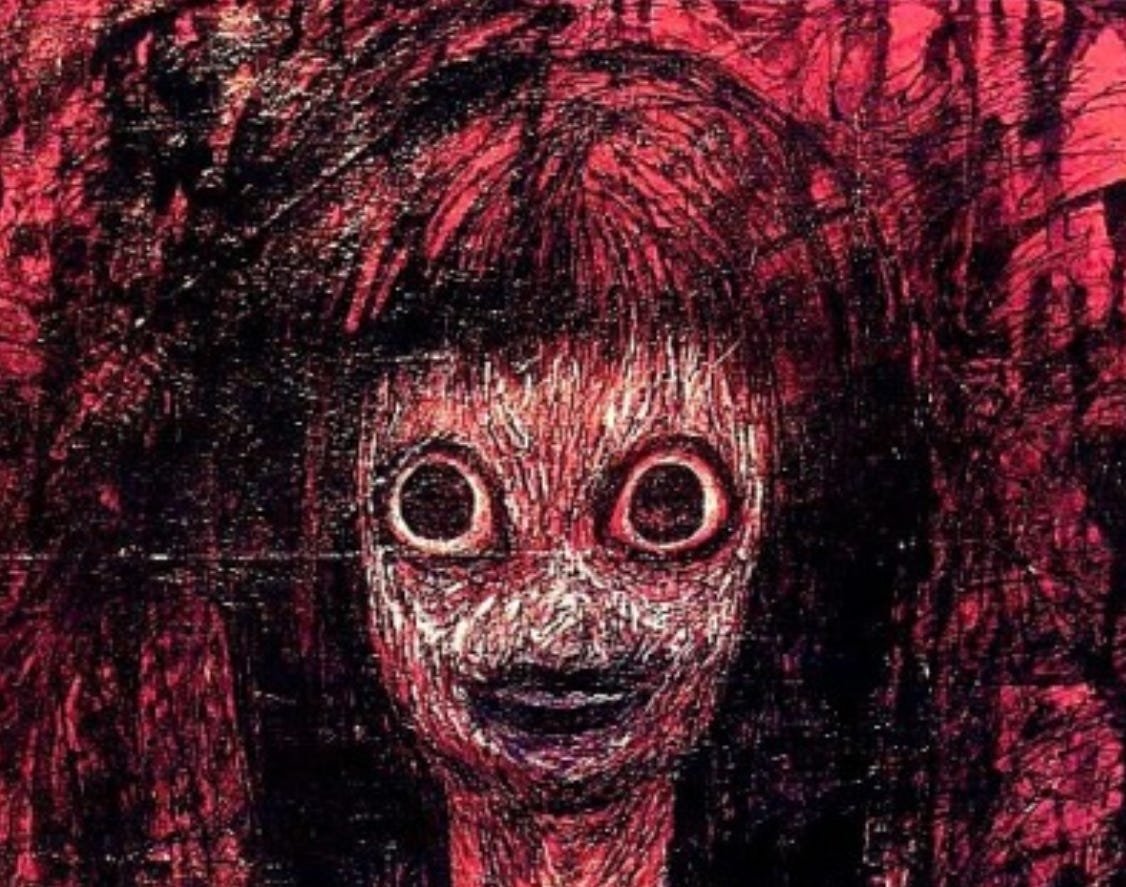
Urban legends are intriguing narratives that typically blend elements of fact and fiction, often featuring shocking or unsettling content. They serve as modern folklore that reflects societal fears, norms, and values. Unlike traditional folklore, which is rooted in historical contexts and typically passed down through generations, urban legends are more contemporary and adaptable to current societal concerns. This category of tales often emerges in urban settings, hence the name, where they can be circulated and mutated through word-of-mouth, social media, and other forms of communication.
The characteristics of urban legends include a strong emphasis on sensationalism, moral messaging, and ambiguity. These stories usually involve a protagonist who faces unusual or frightening circumstances, leading to a dramatic and often cautionary conclusion. For example, tales of a friend-of-a-friend format are prevalent, where the storyteller relates an experience of someone they know, lending an air of authenticity to the legend. This approach not only captivates audiences but also fuels curiosity and fear by making the narrative relatable.
Urban legends arise from the cultural contexts in which they are told. For instance, tales may reflect prevalent societal fears such as crime, disease, or technology, and they often provide insight into the collective psyche of a community. The resonance of these legends lies in their ability to articulate contemporary anxieties in a narrative form. By engaging listeners and igniting their imaginations, urban legends create a shared experience that fosters a sense of connection among individuals who have encountered similar fears or situations.
Overall, urban legends exemplify how modern storytelling continues to evolve, merging entertainment with social commentary. Their relevance today underscores our inherent fascination with the unknown and the mysteries that linger within our society.
The Psychology Behind Urban Legends: Why We Believe and Share Them
Urban legends have captivated and terrified audiences for generations, thriving on the intricate interplay between culture, psychology, and social behavior. Understanding the psychological underpinnings of these tales reveals much about why individuals are drawn to them and how they propagate through communities.
At their core, urban legends often evoke fear, a potent emotion that draws people to share stories that evoke terror or discomfort. This fear can be both primal and philosophical, tapping into common anxieties about safety, trust, and the unknown. For instance, legends involving dangerous strangers or unexpected occurrences might resonate due to an inherent fear of vulnerability, prompting individuals to share these stories as cautionary tales. Sharing such anecdotes not only provides a sense of communal experience but also serves as an informal alert to others in the community.
Moreover, social behavior plays a critical role in the dissemination of urban legends. People generally seek connection and validation within their social groups, often sharing stories that are entertaining or elicit strong emotional responses. The act of conveying an urban legend can enhance social bonds, as storytellers engage listeners and prompt discussions about experiences related to the legend. This sharing fosters a dynamic where stories morph and adapt over time, increasing their memorability and adherence to cultural narratives.
Furthermore, confirmation bias, the tendency to favor information that confirms one’s existing beliefs, contributes significantly to the endurance of urban legends. Individuals are more likely to remember and disseminate stories that align with their fears or biases. As these stories get retold, they often gain layers of embellishment that bolster their appeal, making them more intriguing and believable. Thus, urban legends thrive not only on the fear they incite but also on the psychological mechanisms that facilitate their spread through social networks.
Iconic Urban Legends from Around the World
Urban legends are fascinating tales that traverse cultures, often evolving with each retelling. These stories, steeped in mystery and fear, reflect society’s anxieties and the collective imagination. One of the most notorious urban legends in North America is known as ‘The Killer in the Backseat.’ This tale warns drivers to be cautious of their surroundings, suggesting that an assailant could be lurking in the rear of their vehicle. This legend serves as a grim reminder of the potential dangers encountered in seemingly mundane tasks.
Another chilling story is that of ‘The Babysitter and the Man Upstairs,’ which has haunted many parents for decades. In this narrative, a teenage babysitter receives a series of eerie phone calls from a man who is already inside the house. This legend not only heightens fears surrounding childcare but also emphasizes the vulnerability of individuals in domestic settings. Such narratives can spark paranoia and discussions about safety protocols, especially for those caring for children.
Moving beyond North America, we come across international urban legends such as ‘The Slit-Mouthed Woman’ from Japan. Known as ‘Kuchisake-onna,’ this ghostly figure appears wearing a surgical mask and asks her victims whether they find her beautiful. No matter the answer, she possesses a horrific secret that leads to dire consequences. This urban legend not only entertains but also taps into cultural themes of beauty, societal expectations, and the supernatural.
Throughout the globe, urban legends persist as captivating elements of folklore. They serve as cautionary tales and reflections of human fears, often arising from cultural contexts that shape their narratives. By exploring these stories, we gain insight into the diverse tapestries of human experience and the shared themes that bind us.
The evolution of urban legends in the digital age marks a notable shift in how these tales of fear and fascination are created and shared. Traditionally passed down through word of mouth, urban legends now traverse the globe in a matter of minutes, thanks to the internet and social media. This rapid dissemination fuels a dynamic exchange of narratives, leading to an ever-evolving landscape of myth and folklore.
Online platforms such as forums, blogs, and social media channels serve as breeding grounds for urban legends. Websites like Reddit and specialized forums allow users to share their personal stories, often framing them within a context that resonates with communal fears or anxieties. These platforms facilitate the viral spread of urban legends, enabling individuals to build upon previous tales, add new twists, or create entirely new narratives. The participatory nature of these platforms allows for a collective myth-making process, as users contribute to the legend, often in real-time.
Moreover, the proliferation of memes and shareable content has changed the aesthetics of urban legends, making them more visually engaging. A chilling story can quickly become a viral image or video, enhancing its reach and impact. Icons of popular culture frequently intersect with these legends, as contemporary figures become entwined in modern narratives. The ability to remix and reinterpret existing urban legends through digital media leads to an explosion of creativity, with many users crafting unique, localized versions that reflect current societal issues.
As urban legends adapt to the digital age, their role in cultural commentary becomes increasingly significant. They often mirror collective anxieties—ranging from technological advancements to social change—thus underscoring the heightening of shared fears. This transformation illustrates that while the medium may change, the essence of urban legends remains a compelling commentary on our ever-evolving society.
Urban Legends as a Reflection of Societal Fears and Values
Urban legends serve as compelling narratives that reflect the fears, anxieties, and values prevalent within the societies from which they emerge. These tales often encapsulate the collective psyche, illuminating the underlying societal concerns of a particular time and place. A closer examination reveals that key themes in urban legends often resonate deeply with the experiences and apprehensions of those who share them, making these stories not only entertaining but also profoundly significant.
One prominent theme in urban legends is the fear of the unknown. Many of these stories revolve around mysterious figures or unsettling situations that provoke anxiety and uncertainty. For instance, tales about strangers lurking in the shadows or mythical creatures haunting the night encapsulate a shared discomfort with the unpredictable nature of life. This theme, therefore, acts as a mirror, reflecting society’s struggles with fear and the unknown, highlighting a persistent desire for security and understanding.
Additionally, numerous urban legends underscore a deep mistrust of authority. Stories that reveal corruption, incompetence, or negligence among those in power resonate with individuals who feel marginalized or disenfranchised. For instance, narratives involving cover-ups by government officials or malevolent acts by law enforcement reveal an undercurrent of cynicism regarding established institutions. These legends often serve as cautionary tales that resonate with societal tensions, capturing the anxieties surrounding governance and societal control.
Finally, urban legends frequently explore societal taboos, delving into themes such as mortality, sexuality, and deviance. By confronting these sensitive subjects, these narratives provoke thought and discussion, pushing boundaries while reflecting the moral compass of a community. The allure of urban legends lies not only in their sensationalism but also in their capacity to illuminate the values and fears that shape societal narratives. Through the lens of these stories, one gains insight into the evolving nature of cultural narratives, revealing how urban legends encapsulate the complex interplay of fear and fascination inherent in the human experience.
Debunking Urban Legends: The Role of Critical Thinking
Urban legends, with their mysterious narratives and tantalizing details, often captivate the imagination. However, just as they can intrigue, they can mislead. The ability to critically evaluate such tales is paramount in distinguishing fact from fiction. This is where critical thinking comes into play, providing essential tools to dissect and analyze urban legends effectively.
First and foremost, one must adopt a skeptical mindset. Whenever encountering a story that seems implausible or sensational, it’s vital to question its origin. Ask yourself: Who is sharing this information? What motives might they have? By tracing the source of the legend, one can often unveil discrepancies or weaknesses in the story. Many urban legends originate from anecdotal accounts which lack credibility. Identifying these origins can illuminate potential fabrications.
In addition to scrutinizing sources, leveraging technology can significantly aid in debunking urban legends. Numerous online platforms are dedicated to fact-checking and myth-busting. Websites such as Snopes and FactCheck.org provide reliable resources to assess the validity of many popular legends. Utilizing these resources encourages a culture of inquiry, pushing individuals to examine the claims presented in these stories critically.
Moreover, engaging with logical reasoning plays a vital role in dispelling myths. It’s beneficial to analyze the internal consistency of the urban legend itself. Does the story contain contradictions? Does it rely on implausible scenarios? A thorough examination of the narrative structure can reveal inconsistencies that weaken its credibility. By prioritizing such analytical assessments, individuals can strengthen their resolve to challenge urban legends, bolstered by reason rather than fear.
Ultimately, becoming adept at critical thinking equips individuals to approach urban legends with the necessary scrutiny. By fostering an environment of skepticism and inquiry, one can contribute to dispelling myths that persist within society and promote a more informed understanding of the world.
Collecting Urban Legends: How to Find and Document Local Legends
Exploring urban legends within your community can be an intriguing and rewarding endeavor. To effectively uncover and document these narratives, start by engaging with local residents who may have firsthand accounts or stories passed down through generations. Initiating conversations with family, friends, and neighbors could reveal a trove of folklore that transcends time. When interviewing individuals, approach them with an open mind and a genuine interest in their experiences, as this can encourage them to share more vivid and detailed recollections.
Additionally, consider visiting local archives, libraries, and historical societies, where you can access a wealth of resources that cover your area’s history. Newspapers, magazines, and local history books often contain tales that may have evolved into urban legends over the years. Digitized collections online may also offer insights that traditional outlets might overlook. While researching, focus on not just the legends themselves, but also the cultural and historical context surrounding them, as understanding these factors can lend depth to your findings.
Documentation is crucial when collecting these stories. Employ audio recording devices during interviews, with the consent of the participants, to capture nuances that are often lost in written notes. Alternatively, consider taking notes that include key phrases and notable moments. Supplementing these narratives with photographs or video content of the locations associated with the legends can enrich your documentation and make your findings more engaging. Remember to provide proper attribution when sharing these stories, acknowledging the sources and contributors who helped bring these urban legends to light.
Urban legends, fascinating tales typically rooted in local culture, have significantly influenced various aspects of popular culture, permeating literature, film, and television. These stories often capture societal fears, beliefs, and values, making them compelling narratives that resonate with audiences. The adaptation of urban legends into different forms of media not only reflects the fears of their time but also serves to entertain and educate audiences through cautionary tales.
One of the most notable examples of urban legends translating into pop culture is the film “Candyman,” which is inspired by the urban legend of a supernatural figure that appears when his name is called. This movie popularized the idea of urban legends as a platform for horror, reinforcing the notion that such tales could manifest into a tangible threat. Moreover, the film highlights how urban legends can operate as vehicles for exploring deeper societal issues, such as racism and urban violence.
Television shows frequently incorporate urban legends into their storylines. For instance, “Are You Afraid of the Dark?” served as a platform for various stories based on urban legends, captivating a generation of young viewers. This series not only popularized many common legends but also instilled a sense of curiosity about folklore, encouraging discussions about these cultural narratives among friends and family.
Furthermore, literature has seen an evolution of urban legends through the use of novels and short stories. Authors like Stephen King have woven elements of urban legends into their works, culminating in narratives that address fear of the unknown while captivating readers with thrilling plots. This blending of myth and fiction creates a new genre that both honors traditional urban legends and invites modern interpretation.
In conclusion, urban legends continue to leave a lasting imprint on popular culture, shaping narratives across literature, television, and film. They persist as powerful storytelling tools that not only entertain but also provoke thought about our shared human fears and experiences.
Conclusion: The Enduring Fascination with Urban Legends
Urban legends have captivated audiences for generations. These tales of fear and fascination serve not only as a reflection of societal anxieties but also as vehicles for important cultural messages. Their narratives spread rapidly through communities, evolving and adapting, which showcases the dynamic nature of storytelling. Urban legends often arise in times of uncertainty, reflecting deep-seated fears, moral lessons, and social taboos, indicating a shared human experience.
The allure of urban legends lies in their ability to challenge the boundaries between belief and skepticism. They invite listeners to question the reliability of their knowledge and the authenticity of their surroundings. Whether whispered among friends at a campfire or circulated through digital platforms, urban legends evoke intrigue and suspense. Their narratives often blend the mundane with the bizarre, blurring the lines of reality and fiction, which contributes to their lasting impact on popular culture.
In addition, urban legends play a crucial role in shaping collective consciousness. They often reflect prevailing cultural narratives and societal shifts, allowing individuals to grapple with contemporary issues in a safe and engaging manner. Moreover, the communal aspect of sharing these stories fosters connections between people, reinforcing social bonds and identity through shared experiences. As long as there are communities to share them and anxieties to articulate, urban legends will continue to thrive.
In conclusion, the enduring fascination with urban legends lies in their resonance with fundamental human emotions and experiences. These narratives may evolve, but their core purpose remains unchanged: to entertain, educate, and provoke thought, ensuring their presence in the fabric of culture for years to come.