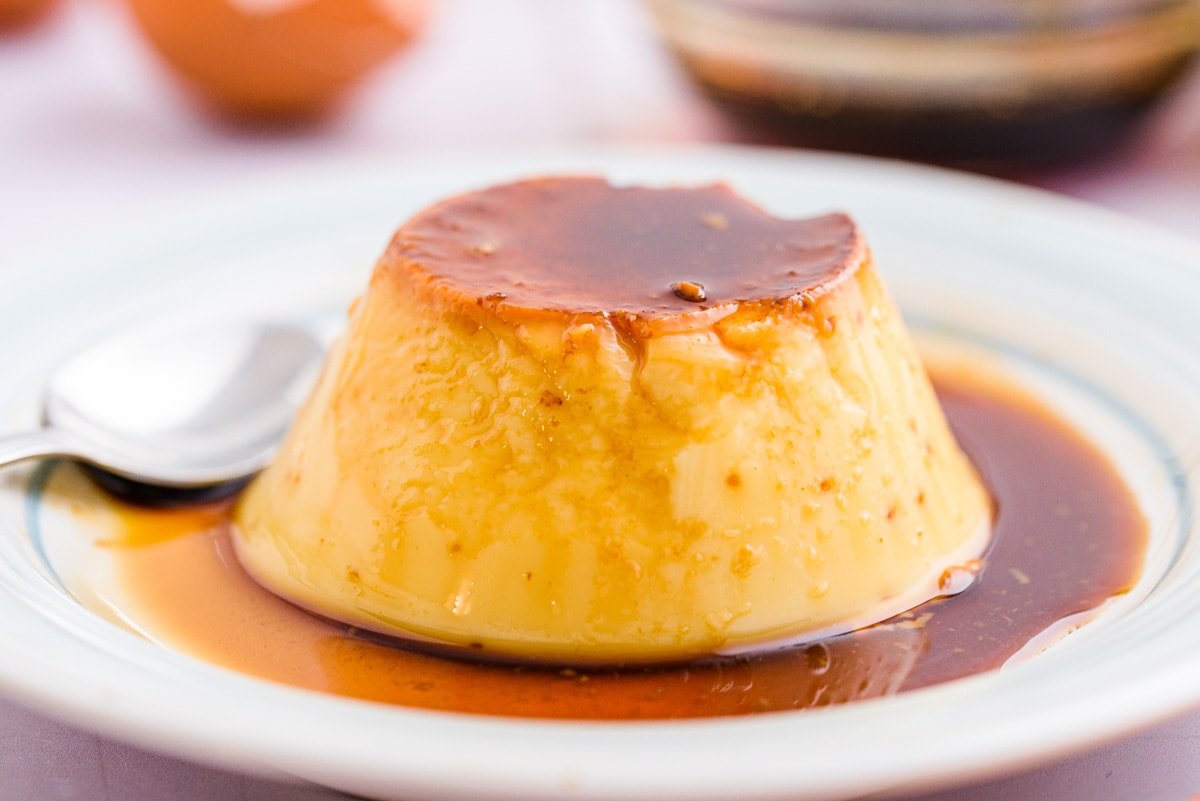
Spanish flan, a beloved dessert that has captured the hearts of many, has origins that can be traced back to ancient Roman times. The Romans were known for their culinary innovations and brought with them the practice of creating sweet custards. These custard dishes laid the groundwork for what would eventually evolve into the traditional Spanish flan we know today. While custards were initially prepared with ingredients such as goat milk and honey, the recipe began to transition over the centuries, absorbing local flavors and ingredients.
As Spain experienced various cultural influences, primarily through the Moors and later during the Spanish colonization of the Americas, the recipe for flan saw considerable adaptations. Morisco cuisine, a fusion of Christian and Muslim culinary traditions, saw sugar replace honey, and the use of eggs became more common. These changes contributed significantly to the texture and sweetness we associate with modern Spanish flan.
Regionally, Spanish flan varies greatly. For instance, in the Andalusian region, it may incorporate orange blossom water, reflecting the local agricultural staples. In contrast, the Caribbean influences seen in places like Cuba and Puerto Rico introduce flavors such as coconut and rum. This regional diversity highlights how Spanish flan has developed unique characteristics while still remaining rooted in its origins, demonstrating the adaptability of traditional recipes to fit local tastes.
Today, Spanish flan stands as a symbol of cultural heritage, representing the blending of diverse food traditions through history. Its journey from a simple Roman dish to a sophisticated dessert showcases not only the evolution of ingredients but also the unifying power of food across cultures. The enduring popularity of this dessert attests to its significance in Spain’s culinary landscape and the many variations that continue to be cherished both locally and internationally.
Key Ingredients of Spanish Flan
Spanish flan is a delightful dessert known for its smooth, creamy texture and rich, caramel flavor. At the heart of this classic dish lie four key ingredients: eggs, milk, sugar, and vanilla. Each of these components contributes uniquely to the flan’s overall character.
Firstly, eggs serve as the fundamental binding agent, providing structure and creaminess to the dish. When whisked together with the other ingredients, eggs meld seamlessly, creating the silken texture that makes Spanish flan so appealing. The use of whole eggs is essential, as the yolks enhance the richness, while the whites contribute to the delicate structure of the custard.
Next, milk is vital in achieving the desired creaminess. Traditionally, whole milk or a combination of whole milk and heavy cream is utilized, providing a velvety mouthfeel. The fat content from the cream enhances the luxuriousness of the flan, making each bite indulgently rich. Additionally, the milk must be of good quality to enhance the flavor profile of the dessert.
Sugar is another critical ingredient in Spanish flan, not only for sweetness but also for the creation of the caramel sauce. The caramelization process transforms sugar into a deep amber liquid that adds complexity and a hint of bitterness, balancing the overall sweetness of the dessert. The way the sugar is transformed through heat is crucial, as it contributes a distinctive flavor that defines traditional flan.
Lastly, vanilla acts as a flavor enhancer in Spanish flan. Whether using pure vanilla extract or vanilla beans, it infuses the mixture with a warm, aromatic essence, complementing the creaminess of the milk and the richness of the eggs. This harmonious blend of ingredients creates a dessert that is truly irresistible and celebrated in Spanish-speaking cultures.
The Caramel Magic: Creating the Perfect Topping
Creating the perfect caramel topping for Spanish flan is essential to elevate the overall dessert experience. The process begins by combining equal parts sugar and water in a saucepan. It is advisable to use a heavy-bottomed pan to ensure even heat distribution and to prevent the sugar from burning. Over medium heat, allow the mixture to come to a gentle boil without stirring. Stirring at this point can lead to crystallization, which can ruin the smooth texture of your topping.
As the sugar dissolves, it will gradually transform into a golden liquid. This phase is known as caramelization, a crucial chemical reaction that occurs at temperatures over 320°F (160°C). The sugar molecules break down and reform into a complex structure that gives caramel its distinctive flavor and color. Timing is critical during this process; a careful watch must be maintained to ensure the caramel does not overcook, which will lead to a bitter taste.
Once the desired golden hue is achieved, it is essential to quickly remove the caramel from the heat to avoid burning. The warm caramel can then be poured into the flan mold, swirling it around to coat the bottom evenly. Allow the caramel to cool and harden slightly before pouring in the flan mixture, as this sets the stage for a delightful contrast between the creamy texture of the flan and the crisp sweetness of the caramel.
For those who desire an additional depth of flavor, consider incorporating a pinch of salt or a splash of vanilla extract into the caramel once it is off the heat. This enhances the overall taste experience and complements the rich custard of the Spanish flan beautifully. Mastering the caramelization process is key to making an irresistible topping that adds both elegance and flavor to your dessert.
Step-by-Step Recipe for Traditional Spanish Flan
Creating a classic Spanish flan is a rewarding experience that results in a delicious dessert perfect for any occasion. This traditional recipe requires simple ingredients and easy-to-follow steps, ensuring even novice bakers can create a delightful treat.
To begin, gather the following ingredients: 1 cup of granulated sugar, 6 large eggs, 1 can (14 oz) of sweetened condensed milk, 1 can (12 oz) of evaporated milk, and 1 tablespoon of vanilla extract. These components are the foundation of your Spanish flan, contributing to its rich flavor and creamy texture.
Next, prepare the caramel. In a medium saucepan, heat the granulated sugar over medium heat, stirring constantly. Once the sugar melts and turns a golden brown color, immediately remove it from the heat and pour it into a round baking dish, swirling it around to coat the bottom evenly. Be cautious, as caramel can reach very high temperatures.
In a separate mixing bowl, whisk together the eggs, sweetened condensed milk, evaporated milk, and vanilla extract until smooth. This mixture forms the custard base of the flan. Pour the custard gently over the caramel in the baking dish. To ensure an even cooking process, it’s advisable to place this dish in a larger baking pan filled with water (a water bath) before placing it in the oven.
Preheat your oven to 350°F (175°C) and bake the flan for approximately 50-60 minutes, or until a knife inserted into the center comes out clean. Allow the flan to cool to room temperature, then refrigerate for at least four hours or overnight. This cooling period is crucial, as it enhances the flan’s flavor and allows it to set properly.
When you’re ready to serve, run a knife around the edges of the flan, place a serving dish over the top, and invert it. The caramel will flow over the top, creating an impressive presentation. Enjoy your homemade Spanish flan as a delightful end to your meal!
Common Variations of Spanish Flan
Spanish flan is a beloved dessert renowned for its smooth texture and rich flavor. However, as with many traditional dishes, regional variations have emerged, each offering a unique twist. These adaptations have resulted in delightful flavors that reflect the diverse culinary landscape of Spanish-speaking countries.
One popular variation incorporates citrus flavors, particularly orange or lemon zest. This addition brightens the dessert, providing a refreshing contrast to the sweetness of the caramelized sugar. Citrus-infused Spanish flan is especially popular in warmer regions, where the zest can elevate the dish to a light and cheerful palate-pleaser.
Another intriguing variant is the chocolate flan, which combines the classic recipe with rich chocolate. In this adaptation, chocolate is incorporated into the custard mixture, resulting in a decadent dessert that appeals to chocolate lovers. The combination of the silky texture of the flan and the deep flavors of the chocolate creates a remarkable dessert that has gained traction in various Spanish-speaking countries.
For those seeking a more robust flavor, coffee-flavored Spanish flan provides an excellent alternative. Infusing the custard with brewed coffee or espresso lends a warm and inviting taste that pairs beautifully with the traditional caramel topping. This variation showcases how different ingredients can enhance the classic flan while still honoring its original essence.
Finally, it’s essential to mention regional adaptations, such as coconut flan, particularly found in the Caribbean. This variation often features the incorporation of shredded coconut, offering a tropical flair that appeals to those who enjoy a distinctive twist on traditional Spanish flan. Each of these variations reflects not only creativity but also the cultural influences that shape the rich culinary traditions surrounding this beloved dessert.
Serving Suggestions and Pairings
Spanish flan is not only a delightful dessert on its own but also offers a beautiful canvas for presentation and pairing. To enhance the dining experience, consider serving your flan in individual ramekins, which provides a visually appealing portion while allowing guests to enjoy their own serving. Garnishing with fresh berries, such as strawberries or raspberries, can add a pop of color and a refreshing contrast to the creaminess of the flan. A light dusting of powdered sugar or a sprinkle of toasted almonds can further elevate the dish, creating a more sophisticated presentation.
When it comes to drinks that pair well with Spanish flan, options abound. A classic choice is to serve a sweet dessert wine like Moscatel or Pedro Ximénez, which complements the flan’s caramel notes perfectly. Alternatively, coffee lovers may prefer a freshly brewed espresso, which provides a rich, bold flavor that harmoniously contrasts the silky texture of the flan. For a non-alcoholic option, consider offering a citrus-infused lemonade or a sparkling water garnished with a slice of lemon to cleanse the palate between bites.
Additionally, you might consider placing a small pitcher of warm caramel sauce on the side. This allows guests to personalize their dessert experience by drizzling extra sauce over their flan. For an innovative twist, a dollop of whipped cream infused with vanilla can also be added, bringing a creamy, airy element to each bite. By thoughtfully curating the presentation and pairings of Spanish flan, you enhance not only the aesthetic appeal but also the overall flavor profile, turning a simple dessert into an indulgent culinary experience.
Healthier Alternatives to Traditional Spanish Flan
As dietary preferences evolve, many individuals seek healthier alternatives to traditional desserts, including the classic Spanish flan. While the traditional recipe consists of eggs, sugar, milk, and vanilla, various substitutions can be made to reduce calorie content while still maintaining the delightful taste and texture.
One of the most effective ways to create a healthier Spanish flan is by replacing refined sugar with natural sweeteners. Options such as stevia, monk fruit, or erythritol can provide sweetness without the empty calories associated with sugar. These substitutes are generally lower in calories and do not spike blood sugar levels, making them suitable for individuals monitoring their sugar intake.
For those who are lactose intolerant or prefer dairy-free options, almond milk, coconut milk, or oat milk can be excellent substitutes for traditional dairy. These milk alternatives often have fewer calories and can offer a unique flavor profile that enhances the overall dessert. When utilizing these alternatives, it is important to ensure that the chosen product is unsweetened, to maintain control over the overall sweetener content.
Additionally, incorporating ingredients such as chia seeds or silken tofu can introduce fiber and protein into the flan, contributing to a more balanced dessert. Chia seeds, when blended, bring a creamy consistency while adding nutritional benefits, while silken tofu provides a protein boost that can help make the dessert more satisfying.
Finally, portion control plays a crucial role in enjoying Spanish flan without overindulging. Consider serving smaller portions, pairing it with fresh fruit, which can complement the flan’s sweetness and add a refreshing contrast. By implementing these modifications, anyone can enjoy a lighter, yet just as delicious version of Spanish flan, ensuring that dietary preferences do not compromise the enjoyment of this beloved dessert.
The Cultural Significance of Spanish Flan
Spanish flan, a cherished dessert throughout Spain and Latin America, holds a unique cultural significance that transcends its delightful taste and creamy consistency. This iconic custard dessert is often a staple at family gatherings, celebrations, and festivals, representing a tradition steeped in warmth and togetherness.
In Spain, flan is commonly served during festive occasions such as birthdays, weddings, and religious celebrations. Its presence at these events not only highlights the importance of dessert in Spanish gastronomy but also serves as a communal symbol, bringing families and friends together around the table. The act of sharing this sumptuous treat fosters connections, evoking feelings of nostalgia and comfort traditionally associated with homemade dishes.
Beyond Spain, Spanish flan can be found gracing tables across Latin America, adapted to regional tastes while maintaining its core essence. The dessert’s versatility, with variations incorporating flavors like coconut or coffee, can be a testament to the cultural adaptations made in different countries. Moreover, flan is frequently associated with cultural identity; its preparation and enjoyment often invoke memories of childhood and family heritage.
In social contexts, offering a flan can be a gesture of hospitality, a way to honor guests, and an expression of gratitude. Its smooth texture and rich flavor appeal to a broad audience, making it a beloved choice for a variety of palates. As such, it plays a vital role in social bonding, often being part of shared culinary experiences that strengthen relationships and foster intercultural exchanges.
In conclusion, Spanish flan is more than just a dessert; it is a cultural emblem that encapsulates the spirit of community and familial love in various settings, making it an integral part of social rituals and celebrations across the Spanish-speaking world.
Conclusion and Personal Reflections on Spanish Flan
In summarizing the exploration of Spanish flan, it is evident that this dessert holds a cherished spot in both traditional and modern culinary practices. Its simple yet rich flavor profile has allowed it to maintain its popularity across generations and cultures. The delicate balance between the creamy texture and the sweet caramel topping not only makes Spanish flan a delectable treat but also a versatile one, adaptable to various tastes and occasions.
Moreover, the ease of preparation contributes to the allure of flan, making it an accessible dessert for home cooks and esteemed chefs alike. From the classic recipes that have been passed down through families to innovative versions incorporating seasonal ingredients, the scope for creativity is expansive. This flexibility ensures that Spanish flan remains relevant, appealing, and beloved in diverse gastronomical landscapes.
As we reflect on the enduring appeal of Spanish flan, it’s important to recognize the emotional connections that often accompany this sweet dish. For many, sharing flan during family gatherings or celebrations evokes nostalgia and warmth, reinforcing its reputation not just as a dessert but as a symbol of togetherness and love. The act of preparing and sharing flan can create lasting memories, making it much more than a simple dish.
We invite readers to share their own experiences with Spanish flan—be it favorite recipes, unique adaptations, or cherished memories associated with this iconic dessert. Such stories deepen our appreciation and highlight the cultural significance woven into every slice of Spanish flan. As we continue to explore and celebrate culinary traditions, let us savor not just the sweetness but also the connections that bind us through food.