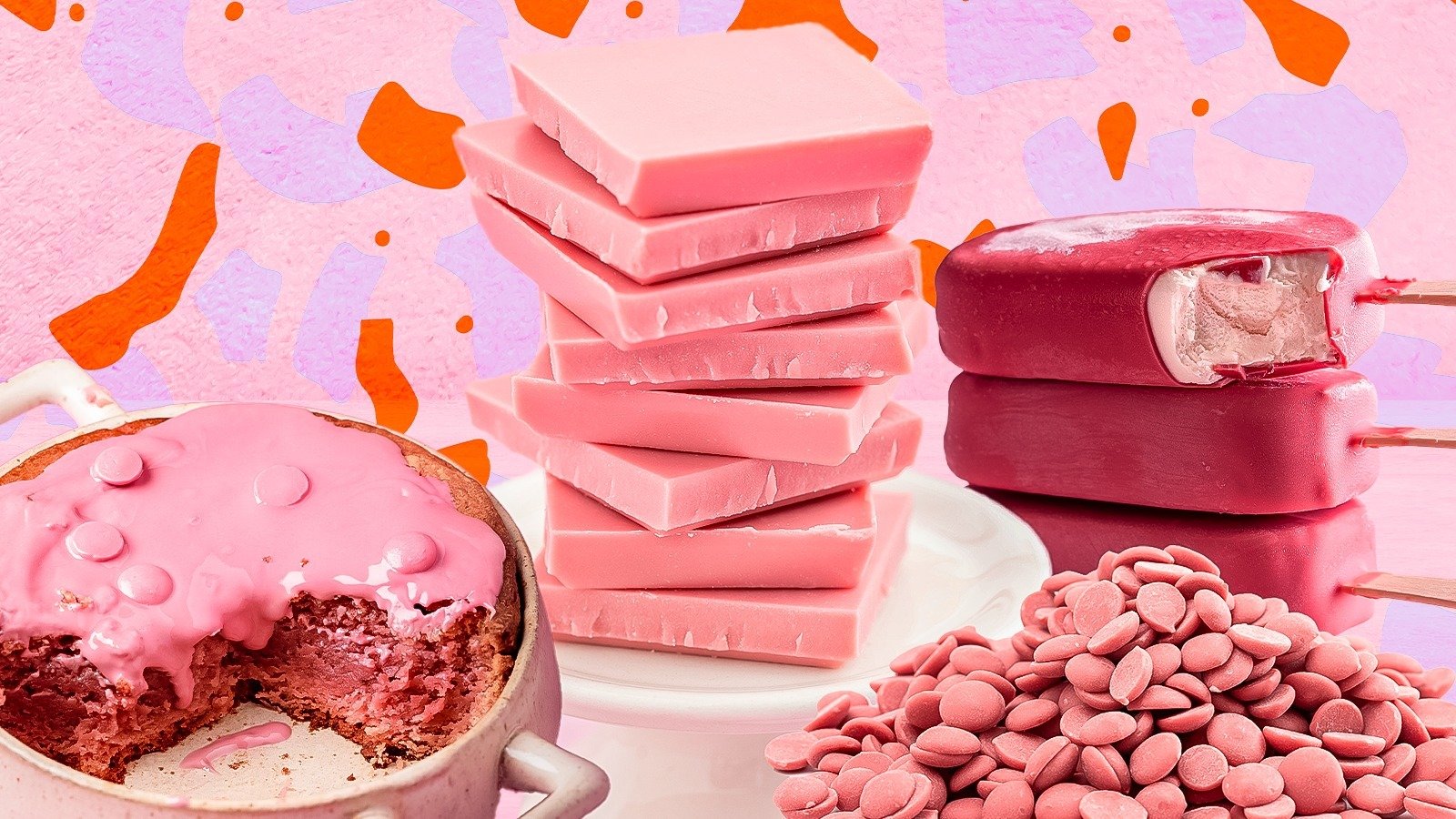
Ruby chocolate is a relatively recent addition to the world of confectionery, officially introduced by the Belgian chocolatier Barry Callebaut in 2017. This innovative chocolate is characterized by its striking pink hue, which is achieved through a specific processing method of ruby cocoa beans. Unlike traditional chocolate varieties—dark, milk, and white—ruby chocolate offers a unique taste profile, combining a slightly berry-like flavor with subtle tartness. The unique attributes of ruby chocolate distinguish it in the diverse realm of chocolate options available to consumers.
The base ingredients of ruby chocolate are similar to those of other chocolates, including cocoa mass, cocoa butter, sugar, and milk powder. However, what sets ruby chocolate apart is the precise selection of specially formulated cocoa beans that contribute to its distinctive color and flavor. These ruby beans are sourced from specific regions, particularly within Ecuador, Madagascar, and Brazil, where the particular environmental conditions allow for optimal berry characteristics in the cocoa.
One of the most intriguing aspects of ruby chocolate is its appeal to the senses. The unique pink color not only captivates the eye, but it also signals a different taste experience, bridging the gap between sweet and sour. Of note is the fact that many people describe its flavor profile as fruit-forward, a quality that is accentuated by the use of high-quality ingredients. As ruby chocolate continues to gain popularity among consumers and chocolatiers alike, it promises to redefine established perceptions of chocolate varieties while offering new, exciting culinary adventures.
The Journey of Ruby Chocolate: From Bean to Bar
Ruby chocolate represents a novel chapter in the confectionery landscape, distinguished by its vibrant hue and unique berry-like flavor. The journey of this chocolate begins with the cultivation of cacao beans, which are the very essence of all chocolate creations. The quality of the cacao is paramount; thus, farmers prioritize growing specific varieties known for their berry flavor profile. This careful selection process ensures that the beans developed possess the characteristics that will later define ruby chocolate.
Once harvested, the cacao beans undergo fermentation, a crucial phase that enhances their flavor. This process, lasting several days, allows the beans to develop their unique taste and rich aroma. After fermentation, the beans are dried, shipped, and then roasted, which plays a significant role in the final flavor of ruby chocolate. The roasting process is finely tuned; different cacao varieties react uniquely to heat, affecting their flavor potency and color profile.
The innovation that sets ruby chocolate apart is its processing technique. Unlike traditional chocolate varieties, which typically utilize regular fermentation practices, ruby chocolate benefits from a patented method that preserves and emphasizes the berry flavors inherent in the cacao. This innovation not only aids in retaining the fruitiness during the grinding process but also contributes to the distinctive pink hue. Through a meticulous conching process, the cocoa mass is repeatedly mixed and aerated, achieving a smooth texture while deepening the ruby chocolate’s unique flavor.
As it transitions from bean to bar, ruby chocolate embodies a complex interplay of color and taste that appeals to chocolate aficionados and new enthusiasts alike. The result is a confectionery item that is not only visually appealing but also rich in flavor, opening up new avenues for culinary exploration and experience.
The Taste Profile of Ruby Chocolate
Ruby chocolate, the latest addition to the chocolate family, offers a captivating flavor experience that sets it apart from traditional chocolates. Unlike dark, milk, or white chocolate, ruby chocolate boasts a unique balance of sweet and tart notes, making it an appealing choice for a diverse audience. Its flavors are often described as berry-like, providing a fruity aroma that immediately engages the palate.
The taste profile of ruby chocolate is reminiscent of fresh berries, perhaps due to its innovative processing that incorporates specially selected cocoa beans with a specific fermentation method. This distinct approach not only emphasizes its vibrant color but also enhances the flavor, allowing for a refreshing taste experience. Many enthusiasts note that ruby chocolate’s tartness contributes to its overall complexity, making it particularly enjoyable for those who prefer a more dynamic taste sensation.
When compared to milk chocolate, which is known for its creamy sweetness, ruby chocolate introduces a more balanced palate. It doesn’t overpower with sweetness; rather, it complements the inherent cocoa flavors. Similarly, when placed alongside dark chocolate, which is often characterized by its robust and slightly bitter taste, ruby chocolate provides a contrasting lightness and vibrancy. This blend of sweetness and tartness captures the essence of summer fruits, allowing consumers to savor a chocolate that feels both indulgent and refreshing.
This multifaceted taste profile not only appeals to established chocolate lovers but also entices newcomers, encouraging them to explore the diverse world of confectionery. Ruby chocolate stands out as a delightful option that elevates the traditional experiences associated with chocolate, offering an exquisite fusion that satisfies various preferences.
Nutritional Aspects of Ruby Chocolate
Ruby chocolate, a relatively recent addition to the chocolate family, has attracted attention not only for its unique flavor profile and striking pink hue but also for its nutritional benefits. Derived from specially processed cacao beans, ruby chocolate is infused with natural berry flavors, positioning it as a delicious alternative to traditional dark and milk chocolates.
One of the most notable aspects of ruby chocolate is its rich antioxidant content. Antioxidants play a crucial role in combating oxidative stress in the body, ultimately helping to reduce the risk of chronic diseases. The vibrant color of ruby chocolate can be attributed to these antioxidants, particularly flavonoids, which are known for their health-promoting properties. Due to its berry origins, ruby chocolate also possesses anthocyanins, compounds famous for their anti-inflammatory effects and potential heart health benefits.
When examining the calorie content, ruby chocolate typically contains somewhere between 500 to 600 calories per 100 grams, similar to other types of chocolate. However, it often boasts a higher sugar content when compared to dark chocolate, a factor that health-conscious consumers might consider. Importantly, moderation is key in enjoying any type of chocolate, including ruby chocolate. When consumed mindfully, it can be part of a balanced diet.
In addition to its antioxidant properties, ruby chocolate has some nutritional advantages. It contains essential minerals such as magnesium, iron, and zinc, contributing to its overall health profile. Furthermore, some research suggests that the combination of compounds in ruby chocolate may support mood enhancement, providing a delightful treat that can also elevate one’s spirits.
Culinary Uses and Pairing Suggestions
Ruby chocolate, distinguished by its vibrant pink hue and unique tart profile, is proving to be a versatile ingredient in both sweet and savory culinary applications. In the realm of desserts, it can be elegantly incorporated into traditional chocolate recipes such as mousses, truffles, and cakes. The delicate berry-like flavor of ruby chocolate can be highlighted in panna cotta or ganaches, providing a visually stunning presentation that transports the palate to a new realm of flavor.
For those seeking innovative ways to explore ruby chocolate, consider pairing it with contrasting flavors. Citrus elements like orange zest or lemon can lift the inherent taste, while spicy spices such as cardamom or even chili can create a striking balance. Additionally, the acidity of fruits such as raspberries or strawberries complements ruby chocolate beautifully, enhancing its natural tartness.
Broadening its usage beyond classic sweets, ruby chocolate can be a surprising addition to savory dishes. Its unique flavor profile can lend a delightful twist when used in sauces or glazes for roasted meats, particularly duck or pork, where sweetness and acidity harmonize well with rich flavors. A ruby chocolate-infused vinaigrette over a salad garnished with strawberries and goat cheese offers a fresh and innovative take on dining.
When considering beverages, ruby chocolate can be melted into hot drinks or blended into smoothies, providing a rich base that pairs excellently with milk or almond milk. The key to making the most out of ruby chocolate lies in its ability to create an exquisite balance with ingredients, encouraging culinary exploration while delighting the senses.
The Rise of Ruby Chocolate in the Market
In recent years, ruby chocolate has emerged as a remarkable addition to the global confectionery market, captivating consumers with its striking color and unique flavor profile. Developed by Barry Callebaut, ruby chocolate is crafted from specially selected cocoa beans, which undergo a patented processing technique that preserves their natural red hue. This innovation has not only introduced a new taste experience but also sparked considerable curiosity among chocolate enthusiasts.
Market analysis indicates a growing interest in ruby chocolate, particularly among younger demographics who tend to favor novel and visually appealing food options. Social media platforms have played an instrumental role in the rise of ruby chocolate, as visually stunning images of ruby chocolate products are widely shared, generating excitement and driving demand. This vibrant chocolate has become a popular subject for Instagram posts and Pinterest boards, leading to increased visibility among consumers who are eager to experience its unique characteristics.
Brands that have embraced ruby chocolate in their offerings have utilized innovative marketing strategies to enhance consumer engagement. Premium chocolate makers have successfully introduced ruby chocolate bars, bonbons, and desserts, often highlighting its unique flavor that bridges the gap between dark and white chocolate. For instance, companies such as Nestlé and Lindt have launched ruby chocolate products that feature striking packaging and enticing flavors, appealing to both aesthetics and taste.
Successful case studies, such as those from Cadbury’s launch of ruby chocolate in the UK, illustrate how effective marketing campaigns can create a buzz and encourage trial among consumers. By leveraging limited-edition releases and collaborations, brands have not only tapped into the trend of experiential eating but have also established ruby chocolate as a staple in the luxury confectionery category. Amid evolving consumer preferences, ruby chocolate’s presence continues to grow, carving out a niche in the dynamic world of chocolate.
Ruby Chocolate: The Sustainable Choice?
Ruby chocolate, a relatively new addition to the chocolate family, has garnered attention not only for its unique flavor but also for its potential sustainability benefits. As the confectionery industry evolves, the ethical implications of sourcing ingredients have become increasingly significant. The production of ruby chocolate relies on specific cacao beans, which raises questions about sourcing practices and the overall environmental impact of cacao cultivation.
Many producers of ruby chocolate are making concerted efforts to ensure that the cacao beans used are sourced responsibly. This involves supporting sustainable farming practices that minimize environmental degradation and promote biodiversity. Various certifications such as Fair Trade and Rainforest Alliance play crucial roles in ensuring that farmers adhere to eco-friendly practices while also securing fair wages for their labor. These initiatives help foster a more transparent supply chain, benefiting both consumers and producers.
Moreover, the rise of ruby chocolate has prompted some companies to invest in research and development aimed at improving the sustainability of cacao farming. This includes initiatives to combat issues such as deforestation and the effects of climate change on cacao crops. By prioritizing sustainability, the ruby chocolate segment not only addresses consumer demand for ethically-produced goods but also contributes to the longevity of cacao farming operations.
The commitment to responsible sourcing and environmental stewardship is essential in today’s confectionery landscape. Consumers are increasingly aware of the impact their purchasing decisions have on the planet, leading to a demand for greater transparency in product sourcing. As ruby chocolate continues to gain popularity, the responsibility of companies in this sector to uphold sustainable practices becomes more crucial, resulting in potential long-term benefits for both the cacao industry and the environment.
DIY Ruby Chocolate Treats: A Simple Guide
Ruby chocolate, with its unique pink hue and fruity flavor, opens up endless possibilities for creating delectable homemade treats. This innovative confectionery can be easily melted and molded into a variety of delightful snacks. To begin your ruby chocolate journey, gather high-quality ruby chocolate chips or bars, which can be found at specialty stores or online.
Melting ruby chocolate requires careful attention to temperature to avoid burning. A double boiler method is highly recommended. Fill a pot with water and let it simmer gently. Place a heat-safe bowl on top of the pot, ensuring it does not touch the water. Add your ruby chocolate to the bowl, stirring occasionally until it’s completely melted and smooth. Alternatively, microwave the chocolate in short bursts, stirring in between to prevent overheating.
Once melted, tempering the ruby chocolate is crucial for achieving a glossy finish and a firm texture. To temper, allow the melted chocolate to cool to about 82°F (28°C) by stirring continuously. Then gently reheat it to 88°F (31°C). This process stabilizes the cocoa butter crystals and results in a professional-quality chocolate treat.
Use your beautiful ruby chocolate to make an array of confections: dip strawberries for an elegant dessert, mold it into unique shapes, or create ruby chocolate bark with nuts and dried fruits. Consider blending in other flavors, such as sea salt or citrus zest, to enhance the chocolate’s berry-like notes.
Finally, let your creations set at room temperature or in the refrigerator until firm. Enjoy the eye-catching ruby chocolate treats you’ve crafted! This vibrant treat not only satisfies the palate but also adds a splash of color to any dessert platter.
Future Trends: What’s Next for Ruby Chocolate?
As the confectionery landscape continues to evolve, ruby chocolate is poised to take a central role in future trends, thanks to its distinctive flavor profile and visual appeal. With its unique berry-like taste and vibrant pink hue, ruby chocolate captures the attention of both consumers and manufacturers alike. This fresh addition to the chocolate family encourages continuous innovation, signaling a promising future for chocolate makers and enthusiasts.
In terms of product development, ruby chocolate is likely to inspire a diverse array of confections. From gourmet bonbons to innovative baked goods, the versatility of ruby chocolate opens doors to collaboration across different culinary disciplines. Brands can enhance traditional chocolate items by integrating ruby chocolate, which can lead to new flavor pairings and textures that appeal to adventurous consumers seeking something beyond the ordinary.
Moreover, as consumers become increasingly health-conscious, there may be a shift toward the creation of ruby chocolate products that emphasize clean ingredient labels and artisanal craftsmanship. The opportunity to infuse ruby chocolate with superfoods or organic ingredients can align well with the ongoing trend of healthier indulgence. This approach not only broadens the target audience but also caters to a growing segment of consumers who are mindful of nutritional content and sourcing practices.
Additionally, the marketing narrative surrounding ruby chocolate will likely evolve. As brands highlight the uniqueness of ruby chocolate and its story—from its origins to its production process—they can create compelling narratives that resonate with environmentally-conscious consumers. This storytelling aspect can enhance emotional connections with the product and foster brand loyalty.
Overall, the future of ruby chocolate looks bright, with endless possibilities for innovation. By aligning with consumer preferences and industry trends, ruby chocolate is destined to cement its status as a staple in the world of confectionery, ensuring its place in markets around the globe.