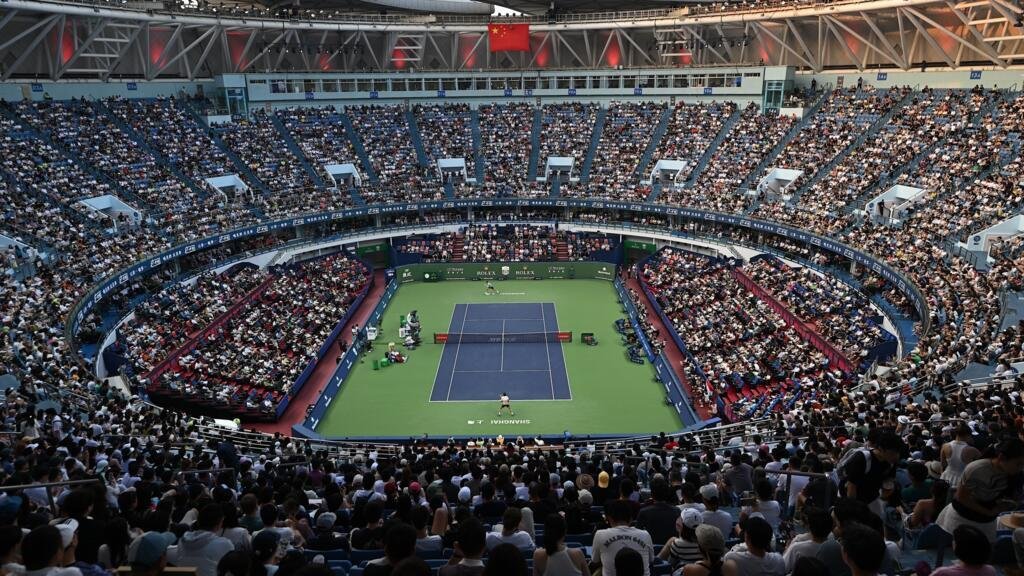
Masters 1000 Tennis events represent a pivotal tier in the ATP Tour, standing just below the four Grand Slam tournaments in prestige and importance. Established to create more substantial competition, these tournaments feature the top-ranked players in the world, providing thrilling matches and exceptional athleticism on display. The Masters 1000 series consists of nine events held annually, strategically placed throughout the tennis calendar, allowing players to accumulate crucial ranking points and gain vital experience against elite competitors.
The structure of the Masters 1000 tournaments generally includes a 56-player draw, accommodating a sizeable lineup of competitors, with their matches drawing considerable international attention. Each event incorporates a mix of hard courts, clay, and indoor surfaces, reflecting the diversity found in professional tennis. This variety enhances the excitement, as players are required to adapt their strategies and skills to different playing conditions.
In terms of rankings, the significance of Masters 1000 Tennis cannot be overstated. Winning one of these tournaments often serves as a catalyst for a player’s ascent in the ATP rankings. Points are awarded based on the progression through the event, which means consistent performance in these tournaments can significantly impact a player’s career trajectory. Thus, competing in Masters 1000 events is not only about prestige; it is essential for athletes striving to establish themselves at the highest levels of tennis.
Overall, the Masters 1000 Tennis series plays a critical role in shaping the tennis landscape, providing fans with high-stakes matches and players with opportunities to showcase their prowess. The competitive environment, combined with its strategic importance in the ATP Tour, solidifies the Masters 1000 events as key fixtures in the professional tennis calendar.
The History of Masters 1000 Tournaments
The Masters 1000 series, officially launched in 1990, represents one of the pinnacle achievements in competitive tennis, coming just below the Grand Slam events in terms of prestige and ranking points. Initially termed the ATP Super 9, the series featured the top nine tennis events on the ATP Tour where players earned significant points and prize money, attracting elite competitors from around the globe.
Over the years, the series has witnessed various transformations, with the renaming to Masters 1000 occurring in 2009. This rebranding reflects the emphasis on the impact and importance of these tournaments within professional tennis. The Masters 1000 events consist of a few key tournaments held in major cities such as Indian Wells, Miami, and Paris, with a total of nine tournaments currently on the calendar.
A notable milestone in the history of Masters 1000 tennis was the introduction of the round-robin format during the ATP Finals and the incorporation of the shot clock, designed to enhance the pace of play and maintain viewer engagement. Venue alterations have also been significant, with some tournaments moving to more prestigious settings or upgrading facilities to meet the sport’s growing demands. For instance, the relocation of the Miami Open to a renovated venue has not only increased attendance but also improved player experience.
In recent years, the Masters 1000 series has also expanded its global footprint, adding tournaments in new locations such as Shanghai and making efforts to attract a wider audience. The series thus stands as an evolution of tennis’ competitive landscape, driven by both historical significance and contemporary advancements.
The Tournament Format and Locations
The Masters 1000 tennis series features a unique tournament format designed to showcase the highest level of professional men’s tennis. Each event within this prestigious series typically attracts a field of 56 to 96 players, with a combination of direct entries and wildcards enhancing the competitive landscape. The tournaments employ a single-elimination format, meaning that a player must lose only once to be eliminated from the event, effectively intensifying the pressure on each match.
In terms of match formats, most matches are best-of-three sets, with the men’s singles matches adhering to this standard, although some Masters events may offer best-of-five sets during the finals, similar to Grand Slam tournaments. The tournament draws are structured to ensure that the top seeds—typically based on ATP rankings—are positioned to potentially meet in the later rounds, which adds to the excitement and strategic play of the series.
The geographical reach of the Masters 1000 events spans the globe, making these tournaments accessible to tennis fans around the world. The eleven prestigious tournaments take place in iconic venues including but not limited to: the BNP Paribas Open in Indian Wells, California; the Miami Open in Florida; the Monte-Carlo Masters; and the Italian Open in Rome. Moreover, the Serie en Madrid attracts attention at the Caja Mágica, while the Rogers Cup is held in two locations: Toronto and Montreal, rotating yearly. The Cincinnati Masters showcases talented players at the Lindner Family Tennis Center, followed by the Shanghai Masters in China and the Paris Masters at the Accor Arena. Each location not only provides a distinct cultural backdrop but also has its own unique playing conditions, contributing to the allure of the Masters 1000 series as a whole.
Notable Players in Masters 1000 Tennis History
The Masters 1000 tennis series has been home to some of the sport’s most illustrious figures, showcasing extraordinary talent and determination. One of the most prominent players in this elite category is Novak Djokovic, who holds the record with an impressive 39 titles. His remarkable consistency and competitive spirit make him a defining figure in contemporary tennis. Djokovic has demonstrated exceptional skill on various surfaces, leading to dominating performances particularly on hard courts and clay.
Rafael Nadal is another legendary player whose prowess has significantly contributed to the Masters 1000 legacy. With a remarkable 36 titles, Nadal’s legacy includes a tremendous footprint on clay courts, especially noticeable in events such as the Madrid and Monte Carlo Masters. His tenacity and fighting spirit are often hailed by fans and opponents alike, securing him a place in the annals of tennis history.
Roger Federer, with his elegant style and tactical genius, also stands as a giant in Masters 1000 tennis, having claimed 28 titles. Federer’s versatility across different surfaces has captivated audiences worldwide, particularly with his phenomenal performances at the Indian Wells and Miami Open, where he has achieved considerable success multiple times. The rivalry among these three players has fueled the narrative of Masters 1000 tournaments, contributing not only to their fame but also to the allure of professional tennis.
In addition, emerging talents such as Alexander Zverev and Daniil Medvedev are beginning to carve their own paths in this competitive series, signaling a new generation ready to challenge established norms. The ongoing evolution of Masters 1000 tennis continues to inspire and excite fans globally as they witness these athletes striving for greatness.
The Impact of Masters 1000 on Player Rankings
The Masters 1000 tennis tournaments play a pivotal role in shaping the ATP player rankings. These events, which are held across various prestigious locations worldwide, carry significant weight in the world of professional tennis. Players accumulate ranking points based on their performance in these tournaments, which are pivotal in determining their overall standing in the ATP rankings.
In the ATP ranking system, points are awarded according to the round a player reaches in each tournament. For instance, a champion at a Masters 1000 event earns 1000 ranking points, while the runner-up receives 600 points. The points decrease for earlier rounds, creating a competitive environment where players vie for these crucial slots. This structure incentivizes participation and excellence in Masters 1000 competitions, as achieving high rankings directly correlates with a player’s career prospects, such as entry into other prestigious tournaments and better seedings.
Furthermore, performing well in Masters 1000 events can lead to significant shifts in a player’s ranking. A single tournament can affect the standing of multiple players around a given ranking threshold, resulting in heightened importance placed on these events by ATP professionals and fans alike. This competitiveness fosters an atmosphere of anticipation leading up to each tournament, as both emerging talent and established champions strive to capitalize on their opportunities.
Moreover, the dynamic nature of the rankings adds an extra layer of intrigue, as players must consistently perform at their best to maintain or improve their standings. The Masters 1000 serves not just as a testing ground for skill and strategy, but also as a crucial indicator of a player’s career trajectory. The implications of ranking points from these significant competitions extend beyond the current season, influencing player sponsorship, media exposure, and opportunities for future matches.
Fan Engagement and Attendance at Masters 1000 Events
The atmosphere at Masters 1000 tennis events is electric, drawing in large crowds and creating a unique experience for attendees. These tournaments are among the most prestigious in the tennis world, and they attract thousands of fans eager to witness top players competing at the highest levels. Attendance figures often reflect this popularity, with events frequently reaching full capacity, especially during closing rounds. For instance, the Indian Wells Masters and Miami Open routinely attract tens of thousands of spectators, highlighting the strong interest in the series.
Tournament organizers employ a variety of engagement strategies to enhance the fan experience during these high-stakes competitions. These strategies include interactive fan zones, meet-and-greet opportunities with players, and activities that provide insights into the sport. Such initiatives not only entertain but also educate spectators about the nuances of professional tennis, methodically deepening their appreciation for the players and the challenges they face in Masters 1000 tennis events.
Furthermore, the accessibility of players through social media and other platforms has significantly increased fan engagement. Many tournaments feature live Q&A sessions, allowing fans to interact directly with their favorite stars, thereby fostering a deeper connection between the athletes and their audience. This two-way interaction has transformed the spectator experience, making it more than just passive observation. At Masters 1000 events, fans become part of the ongoing narrative, celebrating their favorite athletes while also feeling the thrill of being part of the event.
The vibrant energy and well-thought-out fan engagement strategies collectively contribute to the overall atmosphere at Masters 1000 events, ensuring that attendees leave with lasting memories and a desire to return. With continuous innovation in how tournaments engage fans, the future of Masters 1000 tennis promises to be even more captivating, further enriching the tapestry of one of sports’ most exciting series.
Broadcasting and Media Coverage of Masters 1000 Tennis
The broadcasting and media coverage of Masters 1000 tennis events play a pivotal role in bringing the excitement of these prestigious tournaments to tennis enthusiasts worldwide. As one of the highest tiers of professional tennis, these events attract substantial viewership, necessitating comprehensive media strategies. The evolution of technology has significantly impacted how these tournaments are covered and consumed by fans.
Traditionally, broadcasting rights for Masters 1000 events have been held by major television networks that provide live coverage, highlight shows, and post-match analyses. However, with the rise of digital streaming platforms, the landscape of sports broadcasting has transformed. Many fans now have the option to stream matches online, which caters to a global audience that prefers on-demand viewing. Platforms like Amazon Prime Video, ESPN+, and Tennis TV have entered the arena, offering exclusive streaming rights to specific tournaments, thereby expanding accessibility for fans.
Furthermore, social media has emerged as a powerful tool in promoting Masters 1000 tennis events. Platforms such as Twitter and Instagram allow for real-time updates, player interactions, and behind-the-scenes content, enhancing fan engagement. The use of hashtags and live updates increases visibility, drawing in new audiences and keeping dedicated fans informed. Additionally, media coverage now includes in-depth analyses, expert interviews, and data-driven insights, which enrich the viewing experience.
In conclusion, the broadcasting and media coverage of Masters 1000 tennis have evolved dramatically over the years, driven by advances in technology and changing viewer preferences. Television networks and streaming platforms alike continue to adapt, ensuring that the excitement of each Masters 1000 event is accessible to fans around the globe, allowing for a more immersive experience of the sport.
Future of Masters 1000 Tennis
The landscape of Masters 1000 Tennis is poised for significant evolution as the sport adapts to contemporary demands and advancements. As the premier series after the Grand Slams, the Masters 1000 tournaments play a crucial role in shaping the careers of professional tennis players. One of the primary trends anticipated in the future is the continued expansion of the tournament calendar, possibly adding new events in emerging tennis markets worldwide. This expansion could bring fresh challenges and opportunities for players, as well as attract newer audiences.
Moreover, the integration of technology is likely to have a profound impact on the Masters 1000 series. Analytics and data-driven strategies are becoming essential components of training regimens, and this technological shift is expected to enhance player performance and spectator engagement. Innovations such as virtual reality (VR) and augmented reality (AR) could transform the viewing experience, providing fans with immersive access to tournaments.
In terms of tournament structure, we may see modifications aimed at improving the competitiveness and appeal of events. For instance, changes in match formats could be explored to expedite play or increase excitement within matches. Furthermore, considerations regarding player fitness are becoming more pronounced; as athletes evolve, so too will the demands placed on them during these prestigious tournaments. Improved recovery techniques, nutrition, and overall athletic conditioning will be pivotal in shaping how players approach the rigorous schedule involved in the Masters 1000 events.
Overall, the Masters 1000 Tennis series is set to embrace innovation while maintaining the essence of high-caliber tennis. These potential developments not only aim to elevate the sport but also ensure it remains relevant in an ever-changing sporting environment. As stakeholders prioritize growth, adaptation will be key in navigating the future of Masters 1000 Tennis.
Conclusion: The Significance of Masters 1000 Tennis in the Sport
Masters 1000 tennis events stand as a pivotal component of the ATP Tour, serving not only as a platform for elite competition but also as a crucial benchmark for player development and career progression. With a total of nine prestigious tournaments, these events are strategically positioned throughout the season, acting as significant milestones that directly influence players’ rankings and seeding heading into Grand Slam tournaments.
The impact of Masters 1000 tennis extends beyond individual player rankings. These tournaments attract the top players from around the world, fostering an environment of high-stakes competition that draws fans and media attention. The excitement generated by these events enhances fan engagement, creating a vibrant atmosphere that resonates globally. Spectators are treated to exceptional displays of athleticism, strategy, and skill, all of which contribute to an enriched tennis culture.
Moreover, the Masters 1000 events play a vital role in the tennis community by providing emerging talent with opportunities to compete against established champions. This interaction not only challenges the newcomers but also invigorates the seasoned players, ensuring a dynamic future for the sport. Such events underscore the importance of consistency and resilience among players striving for excellence.
In summary, Masters 1000 tennis events are more than just tournaments; they are integral to the development of the sport itself. They shape player careers, engage fans, and enhance the overall perception of tennis on a global scale. As the sport continues to evolve, the significance of these high-caliber competitions will undoubtedly remain, influencing the trajectory of tennis for years to come.