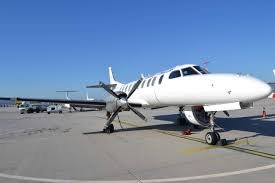
The Fairchild Metro III, a twin-engine turboprop aircraft, has secured its place in aviation history as a notable player in the regional airline market. Developed by Fairchild Aircraft in the 1980s, it is recognized for its versatility, efficiency, and rugged design, making it a preferred choice for both regional airlines and private operators. This aircraft is part of the Fairchild Metro series, which was initially based on the Swearingen Metro design, establishing a legacy of reliable performance and operational efficiency.
The Fairchild Metro III is equipped with two Garrett TPE331 turboprop engines, allowing it to achieve significant speed and range capabilities, which are particularly useful for regional operations. Its spacious cabin can accommodate approximately 19 passengers, offering amenities that rival those found in larger commuter aircraft. This configuration not only emphasizes comfort for passengers but also enhances the efficiency of regional travel, where time savings are crucial.
Moreover, the aircraft’s high performance and durability have made it popular among various operators, from small commuter airlines to cargo carriers. Its adaptability allows the Fairchild Metro III to serve diverse roles such as air freight transport, air charter services, and medical evacuation missions. Since its first flight, the Metro III has been celebrated for its excellent short takeoff and landing capabilities, allowing it to operate from smaller airstrips that are common in rural areas.
This aircraft has also witnessed a robust operational history, with numerous units produced and flying in various regions worldwide. The continued support and modification options available for the Fairchild Metro III further ensure its relevance in current aviation practices, proving that this aircraft is not only a relic of the past but also a viable solution in modern aeronautics.
Historical Context and Development
The Fairchild Metro III, an advanced turboprop aircraft, emerged in the late 1980s as an evolution of the Fairchild Metro series, designed to cater to the growing demand for regional air transportation. This aircraft represented a significant upgrade over its predecessors, particularly the Fairchild F-27, which had laid the groundwork for regional flying in earlier decades. The Metro III sought to enhance performance, reliability, and passenger comfort, thus establishing a new standard within the commuter aircraft market.
Making its inaugural flight on March 23, 1985, the Fairchild Metro III quickly garnered attention for its innovative design features. Notably, it incorporated a larger cabin compared to earlier models, enhancing passenger capacity and comfort. The aircraft was powered by the Pratt & Whitney Canada PT6A-67R engines, which provided superior fuel efficiency and reduced operating costs, critical factors in the competitive regional airline market.
In terms of design influences, the Fairchild Metro III manifested a blend of functionality and aerodynamics. Many aspects of its design were influenced by the preceding Metro II aircraft, yet the III model benefitted from improvements in wing design and aerodynamics, allowing for better lift and overall performance. The introduction of quieter turboprop engines also aligned well with emerging noise regulations, making the Fairchild Metro III an appealing choice for airlines operating in urban areas.
Upon its release, the Fairchild Metro III successfully positioned itself within a niche market, competing against similar aircraft such as the Beechcraft 1900 and Dornier 228, which were also popular in the commuter sector. The operational versatility and performance benefits led to a reputable standing in the aviation community, establishing the Fairchild Metro III as both a legacy aircraft and a testament to Fairchild’s engineering prowess.
Technical Specifications and Features
The Fairchild Metro III, a renowned twin-engine turboprop aircraft, stands out for its impressive technical specifications and features that cater to regional airline needs and cargo versatility. Measuring 17.4 meters (57 feet) in length, the aircraft boasts a wingspan of 19.5 meters (64 feet) and a height of 5.8 meters (19 feet), making it a compact yet robust option for short to medium-haul operations.
In terms of weight, the Fairchild Metro III has a maximum takeoff weight of approximately 5,800 kilograms (12,800 pounds). This capacity allows it to accommodate various load types, whether in passenger or freight configurations. Designed to comfortably carry up to 19 passengers, the Metro III also offers a cargo conversion option that provides ample space for transporting goods. The flexibility of the seating arrangements further enhances its appeal for operators seeking versatility.
The aircraft is powered by two Garrett TPE331-10U-511G engines, each producing about 1,000 shaft horsepower. This powerful engine configuration allows the Metro III to achieve a maximum cruise speed of approximately 300 knots (345 mph) and a service ceiling of 25,000 feet. Its impressive range of around 1,200 nautical miles (2,200 kilometers) enables operators to serve various regional markets effectively.
An important feature of the Fairchild Metro III is its advanced avionics system, which provides pilots with enhanced navigational capabilities and situational awareness. This system, combined with the aircraft’s reliable performance metrics, positions the Metro III as a preferred choice for regional airlines.
Overall, the Fairchild Metro III’s unique combination of size, performance, and versatility sets it apart from its competitors in the turboprop marketplace.
Operational Uses and Market Presence
The Fairchild Metro III has established itself as a versatile aircraft, finding a variety of operational uses across the aviation landscape. Initially designed for regional passenger transport, this turboprop aircraft has evolved into a reliable solution for diverse transport needs. Airlines worldwide have leveraged the Fairchild Metro III due to its efficiency, reliability, and relatively low operational costs. Its seating capacity typically accommodates 19 passengers, making it an attractive option for regional commuter services.
Furthermore, the utility of the Fairchild Metro III extends beyond passenger transport. The aircraft has been successfully adapted for cargo operations. Its spacious cabin allows for versatile configurations, enabling operators to transport freight in areas where larger planes might be impractical. This capability has made it a preferred choice for cargo operators, especially in regions with limited access to traditional air transport infrastructure. Its ability to operate from shorter runways further enhances its utility in remote or under-served locations.
In addition to passenger and cargo operations, the Fairchild Metro III has proven itself valuable for special missions, including medical evacuations and surveillance. Various government and private organizations have transformed the aircraft for such roles, showcasing its adaptability. The operational flexibility of the Fairchild Metro III has garnered notable partnerships with regional airlines and cargo companies in several countries, contributing to its ongoing market presence. Regions like North America, South America, and parts of Europe host numerous Fairchild Metro III units, reinforcing its reputation as a reliable workhorse in the aviation sector.
Advantages of the Fairchild Metro III
The Fairchild Metro III has established itself as a prominent choice among operators seeking reliable regional transport solutions. One of the foremost advantages of this aircraft is its fuel efficiency. Powered by the capable Pratt & Whitney Canada PT6A engines, the Metro III is designed to optimize fuel consumption, allowing operators to maintain lower operational costs while maximizing range and payload capabilities. This advantage is crucial, especially for regional operators catering to diverse market needs, as it translates directly into enhanced profitability.
Another key benefit of the Fairchild Metro III lies in its impressive reliability. Designed for short-haul flights and rugged environments, the aircraft features strong construction and robust components that ensure consistent performance over time. Operators benefit from reduced maintenance downtime, translating to a more efficient fleet operation. The reputation for reliability makes the Metro III a favored aircraft for airlines and charter services that depend on timely service.
Performance is yet another hallmark of the Fairchild Metro III. The aircraft’s unique design provides excellent short takeoff and landing (STOL) capabilities, allowing it to access smaller airfields that may not accommodate larger jets. This operational flexibility is a significant factor for regional airlines, enabling them to serve underserved routes and meet passenger demand in remote areas. Moreover, the Metro III’s spacious cabin and seating configurations enhance passenger comfort, making it an attractive option for operators focused on customer satisfaction.
Ultimately, the combination of fuel efficiency, reliability, and superior performance consolidates the Fairchild Metro III’s position as a sought-after aircraft in the regional aviation market. Operators continue to choose it over alternatives due to its capability to deliver consistent and cost-effective service in today’s competitive landscape.
Challenges and Limitations
The Fairchild Metro III has established a significant legacy in the regional aviation market, yet it faces various challenges and limitations that could hinder its operational longevity. One notable concern is the increasing regulatory framework that governs aviation safety and environmental standards. Compliance with these regulations can be demanding, particularly for older aircraft like the Metro III. Operators have to navigate complex certification processes and adhere to stringent maintenance regimes, which may not always align with the operational capabilities of the aircraft.
Another critical factor is the rising cost of maintenance associated with older aircraft. The Fairchild Metro III, due to its age, often requires more frequent repairs and replacement of parts, which can be financially burdensome for operators. As maintenance schedules accumulate, the costs can outweigh the benefits of keeping the aircraft in service. Operators may find themselves in a position where the expense of maintaining a Metro III becomes economically unfeasible compared to newer, more efficient aircraft.
Furthermore, competition from contemporary aircraft poses a significant threat to the Fairchild Metro III. Advances in technology have led to the development of newer models that offer improved performance, better fuel efficiency, and reduced emissions. Many airlines and charter services are considering these newer alternatives to remain competitive in an evolving market. As a result, some operators may choose to replace or upgrade from the Metro III to remain aligned with the industry’s shift towards modernized fleets. Ultimately, while the Fairchild Metro III has proven its reliability, these challenges and limitations highlight the pressing need for operators to re-evaluate their fleets and consider future alternatives.
Legacy and Impact on Aviation
The Fairchild Metro III, a remarkable twin-engine turboprop aircraft, has made a significant impact in the regional aviation sector since its introduction in the late 1970s. As a progression from the earlier Fairchild models, the Metro III has been noted for its advanced design features, fuel efficiency, and operational versatility. Its legacy can be appreciated not only through the numerous variants developed thereafter but also through its importance to operators across the globe.
With a seating capacity of up to 19 passengers, the Fairchild Metro III offered operators a cost-effective solution for short-haul flights. The aircraft was widely adopted by airlines and charter companies, which commended its performance and reliability. Many pilots have shared their experiences, highlighting its excellent handling characteristics and the comfort it provides to passengers. A pilot familiar with the Metro III remarked, “Flying the Fairchild Metro III felt secure and controlled; it flew smoothly in various weather conditions, which gave me confidence as a pilot.”
The design of the Fairchild Metro III also influenced subsequent regional aircraft, which incorporated elements of its aerodynamic structure and cabin configuration. Manufacturers began to understand the importance of creating aircraft that not only serve regional routes effectively but also ensure passenger comfort. The technological advancements introduced with the Metro III have found their way into later aircraft designs, paving the way for the evolution of regional aviation.
The impact of the Fairchild Metro III has extended beyond its operational success; it has also fostered innovation and safety standards that benefit modern aviation today. As a symbol of regional connectivity, its legacy endures in the design philosophies that guide contemporary aircraft development. Pilots and operators alike continue to acknowledge the vital role the Fairchild Metro III has played in shaping the aviation industry, making it a lasting topic of interest as an aircraft legacy rediscovered.
Current Status and Future Outlook
The Fairchild Metro III, a twin-engine turboprop aircraft known for its versatility and reliability, has maintained a significant presence in the aviation market since its introduction. Currently, it remains popular among charter operators and other aviation services due to its efficiency and ability to operate from shorter runways. With its seating capacity often accommodating 19 passengers, it serves as an appealing option for regional transport and cargo operations.
In the used aircraft market, the Fairchild Metro III can often be found, reflecting its status as an enduring choice for operators looking for cost-effective solutions. The availability of used models, coupled with the competitive pricing compared to newer aircraft, makes it a viable option for many aviation enterprises. As current economic conditions continue to evolve, there is a steady interest in acquiring such legacy aircraft, especially for those seeking reliable and adaptable solutions.
As we look to the future, predictions suggest that the relevance of the Fairchild Metro III may continue, particularly in niche markets where its operational characteristics excel. With a robust history of performance and a loyal user base, the aircraft is likely to attract new operators focused on maximizing budgetary efficiency while maintaining quality service. Furthermore, advancements in maintenance and operational processes could enhance its longevity in various aviation sectors.
Overall, while newer models are constantly being introduced, the Fairchild Metro III’s legacy and capabilities ensure it will not fade away but rather evolve as it adapts to the shifting landscape of the aviation industry.
Conclusion: The Enduring Appeal of the Fairchild Metro III
The Fairchild Metro III, a twin-engine turboprop aircraft, continues to captivate the aviation community and enthusiasts alike with its unique blend of performance and reliability. First introduced in the late 1980s, this aircraft has proven itself not just as a reliable workhorse but also as a versatile platform suitable for various aviation needs, including commuter services and cargo transport. Its design ensures a comfortable flying experience and an impressive range, making it a favored choice for regional air travel.
One of the key aspects contributing to the enduring appeal of the Fairchild Metro III is its adaptability. While many aircraft have come and gone, the Metro III has maintained its relevance within the industry due to its commitment to efficiency and durability. Operators appreciate the aircraft’s ability to traverse short and medium-length routes, offering a cost-effective solution that continues to be significant in today’s aviation landscape.
Aviation history is enriched by aircraft like the Fairchild Metro III, which marked a shift towards more efficient regional travel. Its significance extends beyond mere functionality; it also represents an era of aviation design that prioritized passenger comfort alongside operational capability. Many aviation enthusiasts fondly recall their experiences aboard the Metro III, often citing its smooth handling and reliability as key attributes that define their appreciation for this aircraft.
As we reflect on the legacy of the Fairchild Metro III, we invite readers to share their insights and experiences with this remarkable aircraft. Whether a nostalgic pilot recounting fond memories or a seasoned traveler appreciating its unique qualities, contributions from the community enrich our understanding of the Metro III’s impact. The Fairchild Metro III stands as a testament to aviation innovation and a beloved piece of history that will be remembered for generations to come.