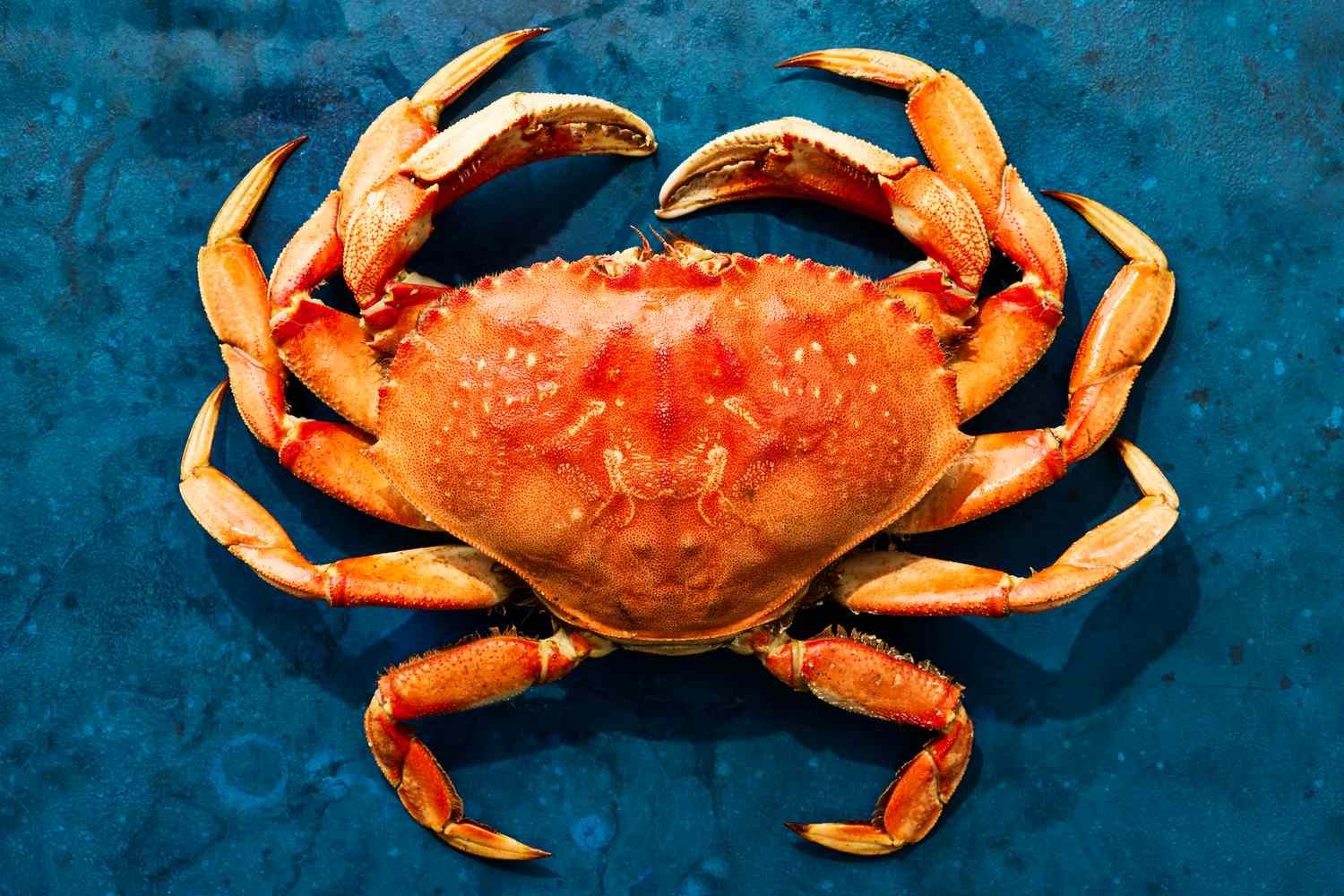
Dungeness crab (Metacarcinus magister), renowned for its delicate, sweet flavor, is a highly sought-after seafood delicacy primarily found along the Pacific Coast of North America. Its distinctive characteristics include a robust, hard shell with a beautiful brownish hue and a unique sweet meat that distinguishes it from other crab varieties. Weighing between 1.5 to 3 pounds on average, this species is known for its substantial claw meat and a water-rich body that contributes to its exquisite taste and juicy texture.
The flavor profile of Dungeness crab is often described as mildly sweet and slightly briny, making it an ideal ingredient for various culinary applications. Many seafood enthusiasts praise Dungeness crab for its tender meat and its versatility in dishes such as crab cakes, salads, and pasta. The crab’s rich, buttery texture pairs beautifully with a variety of accompaniments ranging from simple lemon butter to more complex sauces. This exceptional flavor has resulted in its popularity not just in coastal regions, but also in restaurants and homes across the nation.
Dungeness crabs inhabit the ocean floor throughout the depths of the Pacific, flourishing in the cold waters of the Pacific Northwest, primarily in regions stretching from Alaska down to California. This crab is typically harvested from late fall through the spring months, coinciding with its peak season. The majority of the commercial fishery for Dungeness crab is concentrated in areas such as the waters off the coast of Oregon and Washington, where the optimal conditions for growth support a sustainable population. The combination of taste, texture, and the regions in which they thrive make Dungeness crabs a true crown jewel of seafood, capturing the hearts and palates of diners everywhere.
The Culinary Appeal of Dungeness Crab
Dungeness crab is highly regarded not only for its sweet, delicate flavor but also for its versatility in various culinary applications. The distinct taste of the meat pairs well with a wide range of ingredients, making it a sought-after specialty in numerous dishes. From simple recipes to gourmet meals, the possibilities for preparing Dungeness crab are limitless.
One of the most popular methods of cooking Dungeness crab is to boil it. This classic approach highlights the natural sweetness of the crab while ensuring a tender texture. After boiling, many enjoy serving the crab with melted butter and a sprinkle of lemon juice, allowing the flavors to shine through. Alternatively, grilling Dungeness crab adds a delightful smokiness, enhancing its already rich taste.
Beyond simple preparations, Dungeness crab can elevate a meal to gourmet status. Many chefs incorporate it into elegant dishes such as crab cakes, which blend the crab meat with breadcrumbs, herbs, and spices, before frying or baking to golden perfection. Additionally, Dungeness crab can be included in pasta dishes, where its meaty texture complements creamy sauces or vibrant pesto.
Its versatility extends to international cuisines as well. In Asian cooking, for example, Dungeness crab features in various preparations such as stir-fries or steaming with ginger and scallions, which infuse the meat with aromatic flavors. In Mexican cuisine, crab is sometimes used in enchiladas or tacos, showcasing its adaptability across cultural borders.
This abundance of cooking options allows Dungeness crab to be a centerpiece in any meal, whether it be casual or sophisticated. Its rich flavor and appealing texture not only satisfy the palate but also lend a luxurious touch to any dining experience.
Dungeness Crab Habitat and Biology
The Dungeness crab, scientifically known as Metacarcinus magister, primarily inhabits the coastal waters of the North Pacific Ocean, ranging from the Aleutian Islands in Alaska down to central California. This species thrives in sandy and muddy substrates, often found in bays and estuaries where they can easily burrow and seek refuge from predators. The environmental conditions play a crucial role in their survival, as Dungeness crabs prefer water temperatures ranging from 50°F to 65°F, which promotes optimal growth and reproduction.
The life cycle of the Dungeness crab is complex, initiating with the spawning of females in the spring. After fertilization, females carry fertilized eggs for approximately 11 months, which hatch into larval crabs that drift in the open ocean. This larval stage, known as the megalops stage, allows for their distribution, influencing population dynamics as they migrate back to coastal waters and settle into suitable habitats. As they grow, these crabs undergo several molts, transforming from small juvenile forms to mature adults capable of breeding.
Physically, Dungeness crabs are characterized by their broad, slightly rounded carapace, which can measure up to 10 inches across. Their coloration varies from light brown to a more vibrant yellow or purple, enabling them to camouflage effectively with their surroundings. One significant biological aspect of Dungeness crabs is their capacity for regeneration; they can regrow lost limbs, a vital adaptation for survival in predator-rich environments.
Environmental factors such as water salinity, temperature fluctuations, and food availability significantly impact Dungeness crab populations. Changes in oceanographic conditions, such as El Niño and La Niña events, can alter their habitats and reproductive rates, affecting local fisheries. Understanding the habitat and biology of Dungeness crabs is essential for sustainable management and conservation efforts, ensuring their continued presence in our oceans.
Sustainable Fishing Practices for Dungeness Crab
The sustainability of Dungeness crab fishing is a significant concern for regulators, environmentalists, and the fishing community alike. As one of the most sought-after seafood delicacies, Dungeness crab harvesting must balance economic interests with ecological health. To achieve this, numerous regulations have been instituted that are designed to protect crab populations and their habitats.
One of the primary management strategies is the implementation of size limits. Dungeness crabs must reach a certain size before they can be harvested, ensuring that younger crabs have the opportunity to mature and breed. This approach helps to maintain stable populations and reduce the likelihood of overfishing. Additionally, seasonal closures are established, allowing for breeding cycles to occur without the pressure of commercial fishing. These measures contribute to the longevity and health of crab fisheries.
Another important aspect of sustainable fishing practices is the monitoring of bycatch. Fishermen are required to use traps that minimize the capture of non-target species, significantly reducing the impact on marine ecosystems. This practice protects not just the Dungeness crab but also other marine creatures that share its habitat.
Moreover, many fisheries have embraced eco-certification programs, such as those from the Marine Stewardship Council (MSC). These certifications indicate that the fishing practices in question are sustainable and adhere to strict environmental standards. Consumers can look for these labels when purchasing Dungeness crab, contributing to the demand for responsibly sourced seafood.
Ultimately, the future sustainability of Dungeness crab fishing relies on continuous adherence to these practices coupled with ongoing research and regulation. Through careful management, the fishing community aims to ensure that this iconic species remains available for generations to come.
Health Benefits of Dungeness Crab
Dungeness crab, celebrated for its sweet flavor and tender meat, also offers a range of health benefits that contribute to its esteemed reputation in the seafood world. One of the most notable aspects of this delicacy is its high protein content. Dungeness crab is an excellent source of lean protein, which is essential for muscle repair, growth, and overall bodily functions. A single serving provides a significant portion of the daily protein requirement, making it an ideal choice for those looking to maintain a healthy diet.
In addition to protein, Dungeness crab is rich in essential vitamins and minerals. It contains vital nutrients such as vitamin B12, which is crucial for maintaining healthy nerve and blood cells, and helps in the production of DNA. The crab is also packed with minerals like selenium and zinc, both of which play important roles in supporting the immune system and promoting overall health.
Moreover, the omega-3 fatty acids found in Dungeness crab contribute to cardiovascular health. These beneficial fats are known for their anti-inflammatory properties and their ability to lower blood pressure and cholesterol levels. Including Dungeness crab in a balanced diet can therefore support heart health and reduce the risk of heart-related issues.
Overall, incorporating Dungeness crab into your meals not only provides a delicious seafood option but also enriches your diet with high-quality protein, essential nutrients, and healthy fats. As part of a balanced approach to eating, this exquisite crab species offers a nourishing choice that can cater to various dietary needs and preferences.
Popular Regions for Dungeness Crab Fishing
Dungeness crab, a prized seafood delicacy, thrives along the Pacific Coast of North America, primarily in the coastal waters of the United States and Canada. Key regions renowned for Dungeness crab fishing include California, Oregon, Washington, and British Columbia. Each of these locations presents a unique ecosystem conducive to the development and harvesting of this crustacean.
In California, from San Francisco to the northern coastline, the waters are teeming with Dungeness crabs. The local fishing culture is deeply rooted in tradition, with fishermen utilizing traps known as “crab pots” that are placed on the ocean floor. The regulated fishing season typically runs from November through June, allowing for sustainable harvest while preserving the crab population.
Oregon’s coastline, characterized by rocky shores and expansive bays, also offers ample opportunity for Dungeness crab fishing. Local fishery regulations emphasize sustainability, ensuring that the fishing practices do not jeopardize crab populations. Fishermen often work in cooperative agreements that foster a strong sense of community and shared responsibility among the local fishers.
In Washington, Dungeness crab is celebrated not only for its culinary qualities but also as a pivotal part of the local maritime culture. The Puget Sound region is particularly known for its robust crab fisheries, and the annual Dungeness Crab Festival in Port Angeles emphasizes the community’s commitment to this valuable resource.
British Columbia rounds out the prime Dungeness crab fishing regions, where the waters are rich with crabs. The local fishing community thrives on commercial and recreational crab harvesting, with strict regulations in place that aim to protect the environment and ensure future generations can enjoy this flavorful crustacean.
How to Select Fresh Dungeness Crab
Choosing the ideal Dungeness crab requires an understanding of various indicators of freshness and quality. When purchasing Dungeness crab, whether at a fish market or dining out, it is essential to pay attention to several key characteristics. Firstly, examine the shell of the crab. A fresh Dungeness crab should have a hard, intact shell that feels heavy for its size, indicating that it is full of meat. Avoid crabs with chipped or broken shells as these may signify lower quality or spoilage.
Another important factor is the scent. Fresh Dungeness crab should have a pleasant, briny smell reminiscent of the ocean. If the crab has a strong fishy or ammonia-like odor, it is advisable to select a different specimen. Additionally, take note of the crab’s eyes. A fresh Dungeness crab will have clear and bright eyes, while dull or cloudy eyes can be a sign of aging or decomposition.
When possible, check for movement. Live Dungeness crabs should be active and responsive to touch. In markets, they often display lively behavior, scuttling around in their tanks or containers. When ordering Dungeness crab in a restaurant, inquire about the source and preparation. Reputable establishments will proudly share whether they serve live or freshly cooked crabs, which maximizes flavor and texture.
Furthermore, consider the season as Dungeness crab is usually abundant during certain months, particularly during the fall and winter seasons. Purchasing during this peak time often guarantees better quality. By being attentive to these attributes, consumers can select the best Dungeness crab, ensuring a delicious seafood experience.
Cooking Tips for Dungeness Crab at Home
Preparing Dungeness crab at home can be a rewarding culinary experience, whether you are a novice cook or an experienced chef. This seafood delicacy offers a sweet, tender flavor that can be enhanced through various cooking methods. Here are some practical tips for steaming, baking, and serving Dungeness crab.
One of the most popular ways to cook Dungeness crab is by steaming. To steam your crab, start by filling a large pot with about two inches of water. Bring the water to a boil and insert a steamer basket, ensuring it does not touch the water. Place the cleaned crab in the steamer basket and cover the pot. Steam for approximately 15 to 20 minutes, depending on the size of the crab. The shell will turn a vibrant orange, indicating that the crab is cooked through. This method preserves the natural flavor and moisture of the crab.
If you prefer a different approach, baking Dungeness crab can add a delightful twist. Start by preheating your oven to 375°F (190°C). Clean and halve the crab, then arrange it in a baking dish. Drizzle melted butter over the crab and sprinkle it with your choice of seasonings, such as garlic, parsley, or Old Bay seasoning. Cover the dish with foil to keep the moisture in and bake for about 25 minutes. Finish baking uncovered for an additional 5 minutes to achieve a golden-brown topping.
When it comes to serving Dungeness crab, simplicity is key. Provide melted clarified butter on the side for dipping, and consider adding lemon wedges for an extra zest. For a more elaborate presentation, serve the crab with a fresh salad or on a bed of rice. Whether served simply or elaborately, Dungeness crab will surely impress your guests with its exquisite flavor and texture.
Conclusion: The Legacy of Dungeness Crab in Culinary Culture
Dungeness crab, with its sweet, tender meat and unique flavor profile, has secured a prestigious position in the realm of seafood delicacies. This crustacean is not only a favorite among seafood lovers but also plays a vital role in various culinary traditions. For coastal communities, particularly those in the Pacific Northwest, the Dungeness crab is more than just a meal; it is a cultural icon that represents a way of life intertwined with the ocean’s bounty.
Throughout history, Dungeness crab has inspired countless recipes and culinary innovations, being featured in everything from traditional crab cakes to sophisticated gourmet dishes. Its versatility allows it to be enjoyed in myriad preparations, whether served simply with melted butter or incorporated into complex seafood stews. This adaptability showcases the crab’s enduring appeal and its capacity to elevate any dining experience.
The appreciation for Dungeness crab extends beyond just its flavor. Sustainability efforts around its fishing and harvesting practices have become increasingly crucial, ensuring that future generations can enjoy this maritime treasure. Many local fisheries emphasize responsible fishing techniques, contributing to both the local economy and the preservation of marine ecosystems.
Moreover, the celebratory seasonality of Dungeness crab harvests adds to its allure, drawing attention to local festivals and events dedicated to this crustacean. These gatherings not only highlight the culinary aspects but also foster community connections and shared experiences centered around a cherished food source.
In conclusion, the legacy of Dungeness crab is deeply embedded in culinary culture, reflecting both its gastronomic richness and the interconnectedness of people within coastal regions. As its popularity continues to thrive, Dungeness crab remains a symbol of tradition, sustainability, and the simple pleasure of enjoying a remarkable seafood delicacy.