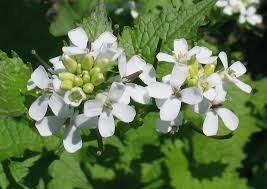
Alliaria petiolata, commonly known as garlic mustard, is a biennial herb belonging to the Brassicaceae family. This plant species has garnered attention not only for its culinary uses but also for its ecological implications, especially in areas where it has become invasive. Garlic mustard is characterized by its heart-shaped leaves and small, white, four-petaled flowers, which typically bloom from April to June. Native to Europe and parts of Asia, it was introduced to North America in the 19th century, primarily for its edible properties.
In terms of classification, Alliaria petiolata is a flowering plant that falls under the order Brassicales. Its genus, Alliaria, consists of several species, but A. petiolata is the most widely recognized and studied. The plant thrives in a range of habitats, particularly in shaded woodlands, along roadsides, and in disturbed areas, reflecting its adaptability to different environmental conditions.
From an ecological perspective, garlic mustard plays a dual role. While it was initially valued for its culinary uses, such as in salads, pestos, and other dishes due to its garlicky flavor, it has become increasingly problematic in North America. Its ability to outcompete native flora leads to significant biodiversity loss, which has consequences for local ecosystems. This invasive nature underscores the importance of understanding and managing Alliaria petiolata’s spread, as it poses a threat to indigenous plant species and the animals that rely on them.
The culinary aspect of garlic mustard cannot be overlooked. As an edible wild plant, it is often used in gourmet cooking and home cuisine alike, offering a unique flavor profile that enhances various culinary creations. Thus, Alliaria petiolata stands at the intersection of culinary delight and ecological concern, making it a significant subject of study for both environmentalists and chefs alike.
The Anatomy of Alliaria Petiolata
Alliaria petiolata, commonly known as garlic mustard, is a biennial plant characterized by its distinctive morphology. In its first year of growth, the plant primarily develops a basal rosette of leaves. These leaves are heart-shaped, with serrated edges and a vibrant green coloration, which serves both to attract pollinators and to aid in photosynthesis. The rosettes can reach up to 20 cm in diameter, laying low to the ground during the early stages of its life cycle.
As the plant matures into its second year, it sends up a flowering stem that can reach heights of 60 to 100 cm. The stems of Alliaria petiolata are typically slender and erect, with a light green hue. During flowering, the plant produces small white flowers with four petals, arranged in a characteristic cross shape, measuring about 4 to 6 mm in diameter. These flowers usually bloom between April and June, attracting various pollinators, including bees and other insects that are essential for successful pollination.
The fruit of Alliaria petiolata appears after flowering, taking the form of elongated seed pods known as siliques. Each silique can contain several seeds, which are small and angular, typically measuring around 1.5 to 2.5 mm in length. The seeds are produced in abundance, allowing for rapid dispersion and colonization of new areas, which can complicate management efforts in some regions.
In summary, understanding the physical characteristics of Alliaria petiolata is crucial for proper identification and management. Recognizing the heart-shaped leaves, flowering stems, distinctive white flowers, and elongated seed pods not only aids enthusiasts in identifying this species but also enhances one’s appreciation for its role in the ecosystem. By examining these anatomical traits, individuals can better observe this remarkable plant in its natural habitat.
Culinary Uses of Alliaria Petiolata
Alliaria petiolata, commonly known as garlic mustard, is a biennial herb that is increasingly recognized for its culinary applications. The plant boasts a unique flavor profile characterized by a pleasant combination of garlic and mustard notes, making it a versatile ingredient in various dishes. The leaves, flowers, and seeds of garlic mustard are all edible, providing chefs and home cooks alike with a range of options for integration into recipes.
Traditionally, garlic mustard has been used in Europe and North America, where it has been incorporated into salads, soups, and pestos. The young leaves are tender and can be used fresh in salads, imparting a distinctive zest that enhances the overall flavor. For a delightful twist, sautéing the leaves can mellow their sharpness, allowing them to complement a variety of savory dishes. Additionally, garlic mustard flowers can be added to salads for color and a mild flavor, while the seeds can be used as a mustard substitute in pickling recipes.
To harvest garlic mustard effectively, it is best to forage during the early spring when the leaves are young and tender. It is crucial to ensure that the plants are collected from areas free of chemical treatments or pollution. When preparing this herb, users should wash the leaves thoroughly to remove any dirt or debris. Cooking methods can include blanching, sautéing, or pureeing into spreads or sauces, ensuring that the distinctive garlic taste remains prominent. With its rising popularity, more chefs are experimenting with garlic mustard, creating innovative dishes that showcase the herb’s unique flavors. As a sustainable foraging option, alliaria petiolata not only enriches culinary practices but also promotes biodiversity and environmental stewardship.
Alliaria petiolata, commonly known as garlic mustard, plays a complex role within the ecosystems it inhabits. This biennial herb is native to Europe but has established a presence in North America, where it presents both beneficial and detrimental impacts. As a member of the Brassicaceae family, Alliaria petiolata is recognized for its unique characteristics that contribute to local biodiversity.
One of the primary ecological contributions of garlic mustard is its role as a food source. The leaves and flowers of Alliaria petiolata are edible, providing sustenance to various herbivores and pollinators. Additionally, its flowering period occurs early in the spring, coinciding with a time when food resources may be scarce for certain species. This phenomenon allows for the attraction of early pollinators, including bees, thus supporting the pollination process for surrounding native flora.
Despite these benefits, the invasiveness of Alliaria petiolata presents considerable ecological challenges. When introduced to new environments, garlic mustard can thrive at the expense of native plant species, leading to decreased biodiversity. It is particularly effective in shaded areas, allowing it to outcompete native understory plants for resources such as sunlight and nutrients. This competitive advantage can result in monoculture scenarios, where garlic mustard dominates the landscape, thereby diminishing the habitat quality for native wildlife that rely on a diverse plant community.
Moreover, Alliaria petiolata alters soil chemistry through its allelopathic qualities. Research suggests that compounds released by this species can inhibit the growth of surrounding plants, further perpetuating its invasive nature. This duality of function exemplifies both the benefits and challenges associated with garlic mustard’s presence within ecosystems. Strategies for managing its spread are critical to preserving the integrity of local habitats while recognizing its role in food webs.
Medicinal Properties of Alliaria Petiolata
Alliaria petiolata, commonly known as garlic mustard, boasts a rich history of traditional medicinal uses. Native to Europe and parts of Asia, this herb has been utilized for centuries in folk medicine to treat a variety of ailments. Its leaves, seeds, and roots have been recognized for their therapeutic properties, particularly in the context of respiratory and digestive health.
One of the most notable aspects of garlic mustard is its potential anti-inflammatory effects. Research has indicated that extracts of Alliaria petiolata may contain compounds that mitigate inflammation, thus offering relief from conditions such as arthritis and other inflammatory disorders. The presence of these anti-inflammatory compounds can make this herb a valuable ally in managing chronic pain and inflammation.
Furthermore, several studies have demonstrated the antioxidant properties of Alliaria petiolata. Antioxidants are crucial for combating oxidative stress in the body, which is linked to various diseases, including cancer and cardiovascular conditions. The antioxidants found in garlic mustard may help neutralize free radicals, thereby promoting overall health and longevity.
In addition to its anti-inflammatory and antioxidant capabilities, this herb is also thought to possess antimicrobial properties. Extracts of Alliaria petiolata have shown promise in laboratory settings for inhibiting the growth of certain bacteria and fungi, suggesting potential applications as a natural antimicrobial agent.
Despite these promising qualities, it is essential to approach the use of garlic mustard with caution. While traditional and preliminary scientific evidence points to its numerous health benefits, further research is required to fully validate its efficacy and safety in medicinal applications. Incorporating Alliaria petiolata into a balanced lifestyle may offer supportive health benefits, but it should not be considered a substitute for professional medical treatment.
Cautionary Notes: Invasiveness of Alliaria Petiolata
Alliaria petiolata, commonly known as garlic mustard, has garnered significant attention due to its invasive nature, particularly in North America. Originally brought to the continent in the 19th century for culinary and medicinal uses, it has rapidly spread across various habitats, outcompeting native flora and disrupting local ecosystems. This biennial plant thrives in shaded woodlands and disturbed areas, demonstrating a remarkable ability to adapt and proliferate in diverse conditions.
The invasive characteristics of Alliaria petiolata stem from its prolific seed production and robust growth patterns, which allow it to establish dominance over native species. A single plant can produce thousands of seeds, which can remain viable in the soil for several years, complicating eradication efforts. The presence of garlic mustard can lead to a decline in biodiversity as it forms dense stands that shade out grasses, wildflowers, and other native plants essential for the health of forest ecosystems.
To manage the spread of Alliaria petiolata, various strategies have been proposed. Mechanical removal, such as hand-pulling or mowing before seed set, can be effective in small infestations. However, it is crucial to ensure that the entire root system is removed, as fragments left in the soil may lead to regrowth. Additionally, when considering herbicide treatments, it is vital to follow best practices to minimize potential harm to surrounding vegetation and soil health.
Monitoring known populations and educating the public about the identification and impacts of garlic mustard are also essential components of invasive plant management. Collaborative efforts involving local organizations, landowners, and conservation groups can help foster wide-ranging initiatives to mitigate the impact of Alliaria petiolata, safeguarding the integrity of native ecosystems.
Cultivation and Gardening Tips for Alliaria Petiolata
Alliaria petiolata, commonly known as garlic mustard, is a biennial herb that thrives in various conditions, making it a versatile addition to any garden. To successfully cultivate this plant, it is essential to understand its preferred growing conditions and maintenance requirements.
Firstly, Alliaria petiolata flourishes in well-drained, moist soil enriched with organic matter. A soil pH ranging from 6.0 to 7.0 is optimal for its growth. While it can tolerate partial shade, this plant tends to reach its full potential in areas that receive full sunlight. Thus, selecting an appropriate location in your garden, preferably one that enjoys a mix of sun and shade, will facilitate robust growth.
In terms of care, watering is crucial, particularly during the initial germination phase and as the plant establishes itself. Aim to keep the soil consistently moist but not waterlogged. Regular weeding around the area can prevent competition and ensure that the nutrients reach the Alliaria petiolata. Additionally, applying a layer of mulch can help retain moisture and suppress weed growth.
Fertilization is not typically required; however, a balanced fertilizer may promote healthier foliage if necessary. Pruning is also beneficial as it encourages bushier growth and flowering. Pests and diseases are generally minimal, but it is good practice to inspect regularly for any potential issues.
Finally, consider the spread of Alliaria petiolata as it can become invasive in some regions. It is crucial to monitor its growth and manage its population accordingly to prevent overpowering native plants. By following these cultivation tips, you can ensure a thriving and healthy presence of Alliaria petiolata in your garden.
Cultural Significance and Folklore of Alliaria Petiolata
Alliaria petiolata, commonly known as garlic mustard, has a rich tapestry of cultural significance woven through its history across various regions. Historically, this plant was not just perceived as a culinary herb; it played a crucial role in traditional medicine and folklore. The leaves and roots of garlic mustard were utilized for their nutritional and medicinal properties, particularly in European folk medicine where it was believed to aid in digestive issues and respiratory conditions.
The plant features prominently in various myths and stories. In some cultures, garlic mustard was associated with protection against evil spirits and bad luck. Folk narratives sometimes portrayed it as a magical plant that could ward off negative influences. For instance, traditions exist in which it was planted near homes as a protective measure against malevolent spirits. This association with protection has imparted a mystical quality to alliaria petiolata, embedding it deeply within cultural practices.
In addition to its folklore, garlic mustard has been celebrated during certain festivals, often being featured in seasonal dishes that highlight its distinctive flavor. Communities have acknowledged the plant as an edible wild resource, underscoring the connection between culture and nature. For instance, during spring, gatherings might focus on foraging for alliaria petiolata, where it is revered not only as a food source but also as a symbol of rejuvenation and the earth’s bounty.
Moreover, traditional practices often involved using garlic mustard in rituals or potions, underlining its perceived magical properties. Its name itself reflects the flavor profile reminiscent of garlic, which has historically been regarded as a powerful ingredient in various cultural culinary practices.
Understanding the cultural context and folklore surrounding alliaria petiolata enhances our appreciation for this versatile plant, highlighting its significance beyond mere botany into the realms of tradition and heritage.
Conclusion: Embracing Alliaria Petiolata in Everyday Life
Alliaria petiolata, commonly known as garlic mustard, serves not only as a flavorful addition to culinary creations but also as a vital contributor to ecological balance and cultural practices. Throughout this blog post, we have explored the diverse applications of this remarkable plant, highlighting its uses in the kitchen, its role in supporting local ecosystems, and its historical significance across various cultures.
In culinary contexts, garlic mustard has proven itself to be a versatile ingredient, imparting a unique garlic flavor that enhances various dishes. From salads to pestos, the addition of Alliaria petiolata can elevate the taste profile of meals while simultaneously introducing nutritional benefits. For those interested in foraging, understanding the proper identification and preparation techniques of this plant can foster a deeper connection with nature.
Ecologically, Alliaria petiolata plays a unique dual role. While it can be an invasive species, it also offers benefits to certain wildlife, particularly during spring when few other food sources are available. By discussing the importance of responsible cultivation and management, we can encourage a more harmonious relationship with this plant, ensuring that it flourishes without overwhelming native flora.
Culturally, garlic mustard has been integrated into culinary practices and traditional medicines across various societies. Recognizing the historical and cultural significance of Alliaria petiolata fosters gratitude for its many contributions to food and health.
In summary, embracing Alliaria petiolata in our daily lives can lead to a greater appreciation for one of nature’s hidden gems. By responsibly utilizing this plant, we not only enrich our diets but also enhance our understanding of ecological interdependence and cultural heritage. Let us continue to explore and celebrate the multifaceted benefits of this extraordinary species.