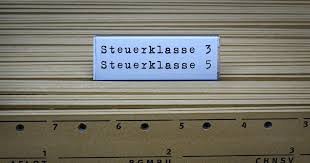
Steuerklasse 5 is the tax class assigned to certain married individuals in Germany, specifically those who have chosen to be taxed under this particular category while their spouse is classified under Steuerklasse 3. Understanding the implications of being in Steuerklasse 5 is crucial for employees, as it significantly impacts their net income and overall tax liabilities.
In the German taxation system, Steuerklasse 5 is designed to balance the tax burdens within marriages where one partner earns considerably more than the other. Individuals in this class typically face higher tax withholding rates compared to other classifications. This arrangement encourages couples to manage their tax liabilities effectively while enjoying the benefits afforded to married couples.
For instance, an employee classified under Steuerklasse 5 might notice a more considerable deduction from their monthly salary than if they were in Steuerklasse 1 or 4. The rationale behind this is that Steuerklasse 3, generally chosen by the higher-earning spouse, provides a more favorable tax rate, while the lower-earning partner in Steuerklasse 5 experiences higher deductions. Consequently, this configuration often results in lower overall household taxes, especially as the combined earnings of the couple are taxed at a reduced rate.
It is imperative for employees to evaluate their financial situation when determining which tax class to select, especially in the case of Steuerklasse 5. The choice might necessitate a careful consideration of various factors such as individual income levels, potential allowances, and the long-term financial implications of their tax classification. Hence, being well-informed about Steuerklasse 5 allows employees to make strategic decisions that can enhance their fiscal health while complying with German tax regulations.
Understanding the Basics of Steuerklasse
In Germany, the taxation system is structured around various tax classes, known as “Steuerklassen.” These classes play a crucial role in determining how much income tax an individual or family is required to pay. The classification scheme encompasses six distinct categories, with Steuerklasse 1 catering to single individuals, while Steuerklasse 2 supports single parents, providing reduced tax rates. Moreover, Steuerklasse 3 and Steuerklasse 5 are particularly relevant for married couples, where one partner typically earns significantly more than the other.
Steuerklasse 5 is designed for individuals whose spouses fall under Steuerklasse 3. This arrangement allows the higher-earning spouse to enjoy a more favorable tax rate, benefiting from a larger tax-free allowance. Consequently, in this configuration, the other partner under Steuerklasse 5 faces a higher tax burden, taking into account their earnings. It is important to note that this classification is advantageous for couples where one partner is the primary breadwinner, as it effectively maximizes the overall household income by lowering the tax obligation of the higher earner.
The significance of Steuerklasse 5 extends beyond immediate tax implications; it influences various aspects of financial planning for married couples. By understanding how Steuerklasse 5 interacts with other classes and personal finances, couples can better strategize their tax liabilities. Additionally, changes in marital status or income levels may necessitate a reassessment of tax classes, ensuring optimal tax treatment as circumstances evolve.
Ultimately, navigating the complexities of these tax classifications is vital for married couples and individuals alike, as it provides an avenue for efficient tax management and financial stability in Germany.
Who Should Choose Steuerklasse 5?
Steuerklasse 5 is an important tax classification in the German tax system, primarily designed for individuals who are married or in a civil partnership, particularly in dual-income households. This tax class is typically utilized by one partner when the other is classified under Steuerklasse 3, which offers more favorable tax rates. Individuals who should choose Steuerklasse 5 include those whose partners earn a significantly higher income. The rationale behind this choice is that it allows for the lower-earning partner to benefit from better tax deductions, albeit at a higher tax rate compared to Steuerklasse 3.
The demographic most often associated with Steuerklasse 5 tends to include married couples or registered domestic partners where one partner works part-time or earns less than the other. In practical terms, this often applies to families where one partner is the primary breadwinner, and the other may be engaged in caregiving roles or part-time employment. This classification is crucial for optimizing tax liabilities within dual-income households, as it can lead to a more favorable overall tax situation when planning family finances.
However, it is essential for individuals contemplating the switch to Steuerklasse 5 to assess their financial situation in full detail. They should calculate potential tax impacts carefully, as the higher tax rate applicable under this classification could outweigh the benefits if the income distribution between partners is not significantly skewed. Couples at a similar income level may wish to consider other tax classes, such as Steuerklasse 4, to avoid a disadvantageous tax burden. Overall, selecting Steuerklasse 5 should be a strategic decision grounded in careful financial analysis to align with long-term financial planning goals.
Tax Benefits and Drawbacks of Steuerklasse 5
Steuerklasse 5, or tax class 5, is a significant aspect of the taxation system in Germany, particularly for married couples where one partner earns a substantially higher income than the other. The primary benefit of Steuerklasse 5 is the reduced tax rate that the lower-earning spouse experiences relative to individuals in higher tax classes. This mechanism is designed to ensure that the partner with the lesser income retains a larger portion of their earnings. For couples where one partner has a much higher income, this tax class can be advantageous, enabling the family to allocate resources more efficiently.
However, Steuerklasse 5 also comes with certain drawbacks. While it offers lower tax rates for the secondary earner, it can result in an increased tax liability for the primary earner, who likely falls under Steuerklasse 3. This arrangement can lead to significant income tax discrepancies between the two partners, particularly if their earnings fluctuate. Furthermore, for individuals who switch jobs or experience changes in their financial situation, the implications of being in Steuerklasse 5 could lead to underpayment or overpayment of taxes, necessitating a thorough review when filing tax returns.
It is crucial for couples to carefully assess their financial circumstances before opting for Steuerklasse 5. While it may seem beneficial for one partner, the overall tax burden across both partners can shift dramatically, potentially negating the perceived benefits. Engaging a tax advisor who specializes in Germany’s taxation laws can provide tailored advice and calculations based on specific income scenarios, helping to navigate the advantages and disadvantages of being classified under Steuerklasse 5. This professional guidance is essential to avoid unexpected tax liabilities and to maximize potential tax benefits.
Comparison with Other Tax Classes
When considering the nuances of the German tax system, understanding the distinctions among various tax classes is crucial. Steuerklasse 5 is typically applied when one partner in a marriage or civil partnership is in Steuerklasse 3. This arrangement has directly implications for tax deductions and overall financial outcomes.
Steuerklasse 3 is designed to benefit the partner who earns significantly more, allowing higher tax deductions. Conversely, Steuerklasse 5 is utilized by the lower-earning spouse, resulting in reduced tax allowances. This leads to a greater tax burden on the individual in Steuerklasse 5, as their net salary will be subject to higher deductions compared to their partner in Steuerklasse 3.
For instance, a common scenario in which couples opt for this classification arrangement involves one partner earning substantially more than the other. In such cases, the higher earner (in Steuerklasse 3) enjoys a lower effective tax rate, making their tax payments minimal in comparison. On the other hand, the spouse classified under Steuerklasse 5, while benefiting from the overall family income dynamics, faces a higher rate that can sometimes negate the financial benefits. Thus, it is essential for couples to calculate potential tax deductions when deciding on their tax class selections.
Additionally, individuals assigned to Steuerklasse 4, which is intended for both partners earning similar incomes, may not experience the same level of discrepancy as those in Steuerklasse 5 and Steuerklasse 3. This scenario demonstrates the complexity of Germany’s tax classes, illustrating that the financial impact of Steuerklasse 5 can be significant when contrasted with Steuerklasse 3 or even Steuerklasse 4. Therefore, it is advisable for couples to consult tax experts to evaluate their specific financial situations and make informed choices regarding their tax class designations.
How to Transition to Steuerklasse 5
Transitioning to Steuerklasse 5, often chosen by those with a higher income compared to their spouse, may seem complicated, but it is a manageable process with the right understanding and preparation. This section aims to guide you step-by-step through this transition, highlighting essential documentation, timelines, and potential considerations.
To initiate the process, it is crucial to first understand your current tax classification and whether you meet the necessary criteria for switching to steuerklasse 5. Typically, this class is applicable when one spouse is designated under Steuerklasse 3, allowing the other to assume the lesser advantageous Steuerklasse 5. Prior to making the transition, both parties should discuss the implications, as your combined tax burden will significantly influence your monthly net income.
The primary documentation required includes the application form for changing your tax class, which can be obtained from your local tax office (Finanzamt). You will also need your marriage certificate or proof of your registered partnership, along with your tax identification numbers. Ensure that all information is up-to-date to avoid delays.
Once you have gathered the necessary documents, submit your request to the tax office. Processing times can vary, but you typically can expect the change to take effect within a few weeks. It is advisable to time your application strategically; consider submitting it at the beginning of the calendar year or during the fiscal year whenever possible, as this minimizes tax complications.
However, it is essential to be aware of potential penalties involved in the process. If you have not fulfilled the eligibility criteria, or if there are discrepancies in your application, you may face fines or additional taxes. Therefore, thorough research and careful documentation are paramount for a smooth transition to steuerklasse 5.
Tax Returns and Steuerklasse 5
In Germany, the tax classification system plays a crucial role in determining the amount of income tax withheld from a payer’s salary. When individuals find themselves in Steuerklasse 5, it is important to understand the dynamics of tax returns and how this particular classification affects them. Typically, tax class 5 is assigned to married individuals whose spouses are categorized under tax class 3, which often leads to a significant deduction in the income tax withheld.
As such, persons under Steuerklasse 5 may face higher withholding rates compared to other tax classes. This can initially lead to the misconception that their tax burden is considerably heavier. However, when the year comes to an end, these individuals are required to file an annual tax return. This crucial document provides a clear picture of their total annual income and expenses, allowing for a reassessment of their tax obligation.
Individuals in Steuerklasse 5 should be diligent about submitting their tax declaration, as it serves as a means of reconciling their tax payments with their actual liability. Upon filing, many may find that they are eligible for a refund due to overpaid taxes throughout the year. Refunds are determined after accounting for deductible expenses and applicable allowances, which can significantly alter one’s financial standing.
Ensuring the correct assessment of one’s tax return is essential for individuals in this category. Consulting with a tax professional or utilizing tax software can help mitigate errors and ensure maximal refunds. Thus, while Steuerklasse 5 may lead to higher monthly deductions, the annual tax return process offers an opportunity for financial relief, underscoring the importance of meticulous financial management throughout the year.
Real-Life Scenarios and Case Studies
In the context of Germany’s tax system, understanding the implications of different tax classes, particularly steuerklasse 5, is essential for couples and individuals alike. To illustrate these impacts, we will explore several hypothetical scenarios illustrating how various situations affect net income and overall financial obligations.
Consider a married couple, Anna and Peter, where Anna earns significantly more than Peter. With Anna in steuerklasse 5 and Peter in steuerklasse 3, their combined tax burden is minimized. In this arrangement, the tax class 5 signifies a higher withholding rate for Anna, balancing out the overall tax liability due to Peter’s lower earnings. This represents a strategic choice that could optimize their net income. However, should Peter’s income rise in the future, reassessing their tax class designation would be necessary to ensure continued financial efficiency.
Next, let’s examine a single parent, Lisa, who is the sole custodian of her two children. Being in steuerklasse 5 could pose a substantial financial challenge due to the higher tax deductions from her income. However, if Lisa were to adjust her working hours or explore additional opportunities for tax relief through childcare allowances or related benefits, she might find a more favorable tax outcome. It’s essential for her to evaluate her financial trajectory and potentially consult a tax advisor for personalized strategies.
Lastly, consider a civil partnership scenario. In this case, Michael and David opt for steuerklasse 5 for Michael, who earns a higher salary. Their decision hinges upon maximizing take-home pay for shared costs. This arrangement can yield more immediate financial capabilities, but they must also remain vigilant about any changes in income or job status that could necessitate a reevaluation of their tax class selection.
These scenarios underscore the importance of being informed about steuerklasse 5 and its ramifications on personal finances, urging individuals and couples to continuously assess their choices in line with their evolving circumstances.
Conclusion and Final Thoughts on Steuerklasse 5
Understanding the nuances of Steuerklasse 5 is crucial for individuals who wish to effectively manage their tax obligations in Germany. This tax class is particularly relevant for married couples where one spouse earns significantly more than the other. By opting for Steuerklasse 5, the higher-earning spouse typically benefits from a more favorable tax classification, while the spouse with lower income is assigned to Steuerklasse 3. This strategic approach can result in a tax advantage, allowing couples to optimize their financial situation.
Throughout this blog post, we have explored the essential aspects of Steuerklasse 5, including its implications for income tax, the criteria for selection, and potential benefits. It is essential for individuals to evaluate their unique financial circumstances to determine whether this tax class is the most suitable option for them. Taxation in Germany can be complex, and understanding how tax classes interact can lead to better financial decision-making.
Moreover, considering the potential for changes in income or personal situations, it is advisable for individuals to regularly review their tax status. If there are uncertainties or particular complexities, consulting with a tax advisor can provide tailored insights and assistance. A qualified professional can help navigate the intricacies of Steuerklasse 5 and ensure that you remain compliant with tax regulations while maximizing your tax benefits.
In conclusion, knowledge of Steuerklasse 5 can empower taxpayers to make informed choices, optimally manage their income, and align their tax positions with their financial goals. Taking the time to understand your tax class can result in significant financial implications, making it imperative for every taxpayer to assess their situation carefully.