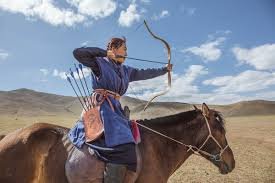
The Mongolian bow, a remarkable archery instrument, has played a pivotal role in the historical and cultural landscape of Mongolia for centuries. Known for its unique construction and exceptional performance, this traditional weapon has not only been a vital tool in warfare but also a significant part of Mongolian identity. The craftsmanship and design of the Mongolian bow reflect the ingenuity and resourcefulness of the nomadic tribes that have called this vast land home.
Historically, the bow was essential to the Mongolian warrior, allowing for remarkable range and accuracy during battles. Its swift integration into Mongolian life contributed to the development of strategies that enhanced the efficiency of warfare. The design is not merely technical; it encapsulates the relationship between the Mongolian people and their environment, adhering to principles that maximize utility and effectiveness using readily available materials.
Distinctively crafted from a combination of wood, sinew, and horn, the Mongolian bow boasts a reflex design that enables it to store energy efficiently. This innovation results in a powerful shot, providing the archer with a competitive edge. Beyond its functional utility, the bow has also become a symbol of national pride and cultural heritage. Traditional archery competitions and performances often highlight this significant artifact, showcasing the skills passed down through generations.
Moreover, the Mongolian bow’s impact extends into contemporary culture, where it has sparked interest among archery enthusiasts worldwide. Today, craftsmen and historians alike work to preserve the traditional methods of bow-making, keeping alive the legacy of this exquisite instrument. As one delves into the art and craft of the Mongolian bow, it becomes clear that it represents not only a tool of war but a profound connection to the identity and history of the Mongolian people.
Historical Background of the Mongolian Bow
The origins of the Mongolian bow can be traced back to ancient nomadic tribes, where its fundamental design was developed to meet the needs of warriors who traversed vast landscapes. The ability to shoot arrows effectively and accurately while mounted on horseback became a crucial skill for survival in the harsh steppes of Mongolia. This bow, characterized by its composite construction—typically made of wood, horn, and sinew—emerged as an efficient weapon, enabling archers to release arrows with remarkable speed and power.
During the rise of the Mongolian Empire in the 13th century, the effectiveness of the Mongolian bow played a vital role in military conquests. The renowned leader Genghis Khan and his successors expertly utilized cavalry tactics that centered around the bow, allowing for rapid mobility and adaptability during battle. Historical accounts describe how archers were able to shoot accurately while galloping at full speed, making them a formidable force against their adversaries.
The bow was not just a weapon of war; it symbolized the very culture of the Mongolian people. The craftsmanship involved in its creation reflected the ingenuity and resourcefulness of nomadic tribes. Traditional methods of production have been passed through generations, ensuring that the legacy of this sophisticated weapon continues to thrive today. Although modern bows have evolved, the traditional Mongolian bow remains a point of cultural pride and is still crafted according to ancient techniques. Today, bow-making has become both an art form and a practice among archers and artisans in Mongolia, preserving the skills associated with this iconic weapon while permitting a deeper understanding of its historical significance.
Design and Construction of the Mongolian Bow
The Mongolian bow is a remarkable and historical piece of craftsmanship that showcases not only the skill of the bowyer but also reflects the rich culture and traditions of Mongolia. Characterized by its distinct shape and flexibility, this bow is known for its ability to shoot arrows with great power and precision. The design and construction of the Mongolian bow involve several intricate steps and specific materials that contribute to its unique characteristics.
Traditionally, the bow is made from a combination of materials, including wood, horn, and sinew. The wooden core is often crafted from a resilient type of wood, such as birch or elm, which provides strength while remaining lightweight. On the limbs of the bow, layers of horn are laminated together and then bound with sinew, enhancing the bow’s durability and elasticity. This layered construction technique results in a bow that can withstand significant tension without sacrificing performance.
The physical characteristics of the Mongolian bow set it apart from other types of bows. It features a pronounced recurve, which is essential for generating the high energy required for long-range shooting. The overall design allows the bow to store energy effectively, enabling arrows to be shot with remarkable speed and accuracy, making it an advantageous weapon for hunting and warfare in the rugged terrains of Mongolia.Additionally, the craftsmanship involved in creating a Mongolian bow is meticulous and labor-intensive. Each bowyer often employs traditional techniques passed down through generations, focusing on achieving the ideal curvature and balance that gives the bow its distinctive performance capabilities. The shapes and designs may also vary, featuring artistic engravings and ornamentation, adding to the cultural significance of each piece.
The Mechanics of the Mongolian Bow
The Mongolian bow, renowned for its unique design and operational efficiency, plays a pivotal role in the rich tapestry of archery. Measuring typically between 40 to 50 inches when unstrung, the bow’s compact size belies its powerful draw weight, often ranging from 30 to 70 pounds. This draw weight is a critical factor in determining the bow’s performance, influencing both the speed and distance at which arrows can be released. For archers, achieving an optimal draw weight is essential for maximizing accuracy and distance.
One of the defining characteristics of the Mongolian bow is its composite construction, which often incorporates materials like wood, horn, and sinew. This technological advancement allows for a potent combination of flexibility and strength, enabling the bow to store energy efficiently when drawn. When the string is released, the energy is rapidly transferred to the arrow, resulting in remarkable velocity and range. The typical shooting range of a Mongolian bow can exceed 200 yards, emphasizing its ancient reputation as an effective weapon on the battlefield and in hunting scenarios.
Accuracy is another vital aspect of the Mongolian bow’s functionality. When paired with properly crafted arrows, which often feature fletching to enhance stability in flight, this bow type remains effective at varied distances. Archers skilled with a Mongolian bow have demonstrated exceptional precision, thanks in part to the bow’s design, which facilitates a natural shooting posture and allows for quick follow-up shots. This efficiency has led the Mongolian bow to be favored historically, aligning with the nomadic lifestyle of its users, who required dependability and performance in harsh environments.
Understanding the mechanics behind the Mongolian bow reveals why it has stood the test of time in archery tradition, combining ingenious design with practical utility in warfare and daily life.
Cultural Significance of the Mongolian Bow
The Mongolian bow is far more than a mere weapon; it encapsulates a rich cultural heritage that resonates deeply within the traditions of the Mongolian people. From ancient times, the bow has served as an essential tool for survival, providing both sustenance and security for nomadic tribes. However, its significance extends beyond practical use, representing national pride and identity for many Mongolians.
Within the cultural sphere, the Mongolian bow embodies the spirit of the nation. It is often associated with the legendary warriors of Mongolia’s past, such as Genghis Khan, whose exploits are inextricably linked to the skillful use of this iconic weapon. The bow is a symbol of resilience and adaptability, reflecting the nomadic lifestyle that defines Mongolian identity. Traditions surrounding the crafting and utilization of the Mongolian bow are passed down through generations, ensuring that the art of bow-making remains an integral component of cultural continuity.
The bow’s role in rituals and ceremonies further emphasizes its importance. It is commonly featured in traditional games and festivities, notably during the National Naadam Festival, where archery contests celebrate not only skill but also the cultural heritage of Mongolia. Participants display their prowess with the Mongolian bow, fostering a sense of community and national pride. This connection between the bow and cultural events illustrates how the weapon serves as a bridge between Mongolia’s storied past and its present.
In addition to its functional and historical aspects, the Mongolian bow also fosters a sense of cultural unity among Mongolians. Through the art of archery, individuals reconnect with their environmental and historical roots, reinforcing the bond of shared experiences. Thus, the legacy of the Mongolian bow transcends its initial purpose, evolving into a profound symbol of identity, heritage, and national pride that the Mongolian people hold dear.
Modern-Day Use of the Mongolian Bow
The Mongolian bow, a remarkable artifact of cultural heritage, continues to find its place in the modern archery landscape both in Mongolia and around the world. This traditional bow, renowned for its unique design and exceptional craftsmanship, is frequently utilized in archery competitions that honor Mongolian traditions. These competitions not only celebrate the skill of archers but also serve as a vital link to the historical practices of the Mongolian nomadic lifestyle.
In contemporary settings, the Mongolian bow has been reintroduced through various archery clubs and events dedicated to promoting traditional archery. Local and international tournaments are held to showcase the prowess of archers wielding this iconic bow, fostering an appreciation for the art while encouraging participation among younger generations. Additionally, specific events are often incorporated into cultural festivals, emphasizing the bow’s significance in Mongolian heritage.
Beyond competition, the Mongolian bow has attracted interest from archery enthusiasts seeking to experience different styles and techniques. Various training sessions and workshops are organized where individuals can learn how to handle this unique weapon effectively. Although modern archery equipment has evolved considerably, many archers appreciate the distinct shooting characteristics offered by the Mongolian bow, which involves a unique draw and release technique that reflects centuries of refinement.
Furthermore, the practice of using the Mongolian bow has expanded beyond competitive archery into recreational shooting activities. This resurgence includes themed events focused on traditional archery, allowing participants to engage with the practice while enjoying a sense of community. Thus, the Mongolian bow not only remains a tool of precision and skill but also evolves as a bridge connecting Mongolia’s rich past with contemporary society, ensuring its relevance for generations to come.
Training and Techniques for Using the Mongolian Bow
Mastering the Mongolian bow involves a blend of traditional techniques, disciplined practice, and an understanding of the unique mechanics of this historical weapon. Archers aiming to excel must first develop a solid foundation in basic archery skills. Start by familiarizing yourself with the bow’s design and functionality, which significantly differs from modern bows. Understanding its construction, particularly the materials used—such as wood, horn, and sinew—can enhance your appreciation and technique.
Professional coaching can greatly amplify an archer’s learning curve. Many experienced practitioners recommend seeking mentorship from trained experts who specialize in traditional archery. Engaging in workshops or joining archery clubs that focus on the Mongolian bow will provide practical insights and hands-on experience. It is essential to assimilate the historical context of the bow and the cultural significance it holds within Mongolian heritage, as this knowledge can enrich an archer’s practice.
Discipline plays a pivotal role in the training regimen for archers. Consistent practice fosters muscle memory, which is vital for achieving precision. Suggested exercises include setting a target distance and gradually increasing it as proficiency improves. Developing a focused shot routine may involve practicing both single and multiple shots, allowing the archer to refine their accuracy. Attention should be given to stance, grip, and draw technique; proper alignment and form are critical to maximizing the bow’s potential.
In addition to physical training, mental conditioning is equally important. Many successful archers incorporate meditation and visualization tactics to enhance concentration and calmness before shooting. These techniques not only improve performance but also cultivate a deep connection with the Mongolian bow, aligning both the mind and body for optimal results.
Challenges and Innovations in Mongolian Archery Today
The practice of Mongolian archery, with its rich history and cultural significance, faces numerous challenges in the modern era. Globalization has introduced new influences that threaten traditional practices, as younger generations become more inclined toward contemporary sports and activities. The allure of advanced technologies in entertainment and leisure diverts attention from the time-honored skill of wielding the mongolian bow, undermining the deep-rooted traditions that have shaped this unique form of archery over centuries.
In addition to the cultural challenges, the traditional methods of bow-making and archery are being overshadowed by the availability of modern equipment. While the mongolian bow is celebrated for its craftsmanship and effectiveness, the convenience and accessibility of contemporary bows appeal to a wider audience. This has caused concern among traditionalists who fear that the essence of Mongolian archery may be lost in favor of efficiency and ease.
However, within this challenging landscape, there are innovations and adaptive strategies being employed to ensure the survival of Mongolian archery. Various organizations and archery clubs are making commendable efforts to promote the practice, offering workshops and training sessions that educate both locals and visitors about the artistic and cultural importance of the mongolian bow. These initiatives are essential in bridging the gap between tradition and modernity, empowering enthusiasts to fuse historical techniques with contemporary insights.
Moreover, the integration of technology in training methodologies is proving beneficial. Digital platforms facilitate a broader outreach and engagement, enabling archers to share their experiences and techniques online. By embracing these innovations, traditional archers are not only preserving their heritage but also revitalizing interest in the art form among younger generations. In conclusion, while challenges persist, the spirit and legacy of Mongolian archery continue to thrive through innovative approaches and the unwavering dedication of its practitioners.
Conclusion: The Legacy of the Mongolian Bow
The Mongolian bow represents more than just a weapon; it embodies a significant cultural heritage that traces back to the remarkable legacy of the Mongolian nomads. Known for its unique design and remarkable craftsmanship, the Mongolian bow has played an instrumental role in the history of warfare, hunting, and the preservation of Mongolian traditions. Its composite construction, utilizing materials such as wood, horn, and sinew, allows for exceptional strength and flexibility, which has made it a formidable tool for archers throughout the centuries.
Historically, the Mongolian bow was essential for the survival of nomadic tribes, providing not only sustenance through hunting but also a means for protection and territorial defense. The bow’s powerful and precise capabilities exemplified the exceptional skills of Mongolian archers, who became legendary for their accuracy and agility on horseback. This profound engineering achievement reflects the innovative spirit of the Mongolian people, highlighting their deep connection with nature and their reliance on the land.
In the contemporary world, the legacy of the Mongolian bow continues to thrive. It serves as a symbol of national pride and cultural identity, celebrated in various ceremonies and events. Additionally, modern archers and enthusiasts appreciate the intricacies of bow-making and the traditional techniques passed down through generations. The relevance of the Mongolian bow persists, as it inspires not only a renewed interest in historical archery but also serves as an example of how traditional skills can adapt to the modern age.
In conclusion, the Mongolian bow is not merely an object of war; it is a testament to a rich history and a formidable cultural symbol. Its enduring significance resonates with individuals who value craftsmanship, heritage, and the profound relationship between mankind and nature, ensuring that the legacy of the Mongolian bow remains alive for future generations.