Bromham sits close enough to Bedford that many people first encounter it as a name on road signs and school catchment forms rather than as a place in its own right. Yet bromham bedford is not simply an overspill settlement or a convenient postcode on the edge of a larger town. It is a village with its own historic core, a relationship with the River Great Ouse that still shapes its landscape, and a community identity formed as much by local institutions as by commuting patterns.
To understand Bromham properly, you have to hold two realities together. One is the long, rural continuity: a parish with an agricultural past, old lanes, and a sense of village geography that makes intuitive sense once you have walked it. The other is modern pressure: the pull of Bedford’s jobs and services, the wider growth of the Oxford–Cambridge arc debate, and the steady rise in housing demand that affects almost every desirable place within reach of the A421 and the East Midlands rail corridor.
Bromham’s character comes from the tension between those forces. It remains recognisably a village, but it is also part of a wider Bedfordshire system of travel-to-work, schooling and development. The interesting questions, for residents and for anyone thinking of moving, are not just “what’s it like?” but “how is it changing, and what is worth protecting?”
Where Bromham sits, and how it connects
Bromham lies to the west of Bedford, within a short drive or cycle of the town centre and the main rail station. That proximity shapes almost everything: where people work, how children travel to schools, the kind of shops and services the village can sustain, and the degree to which Bromham feels independent.
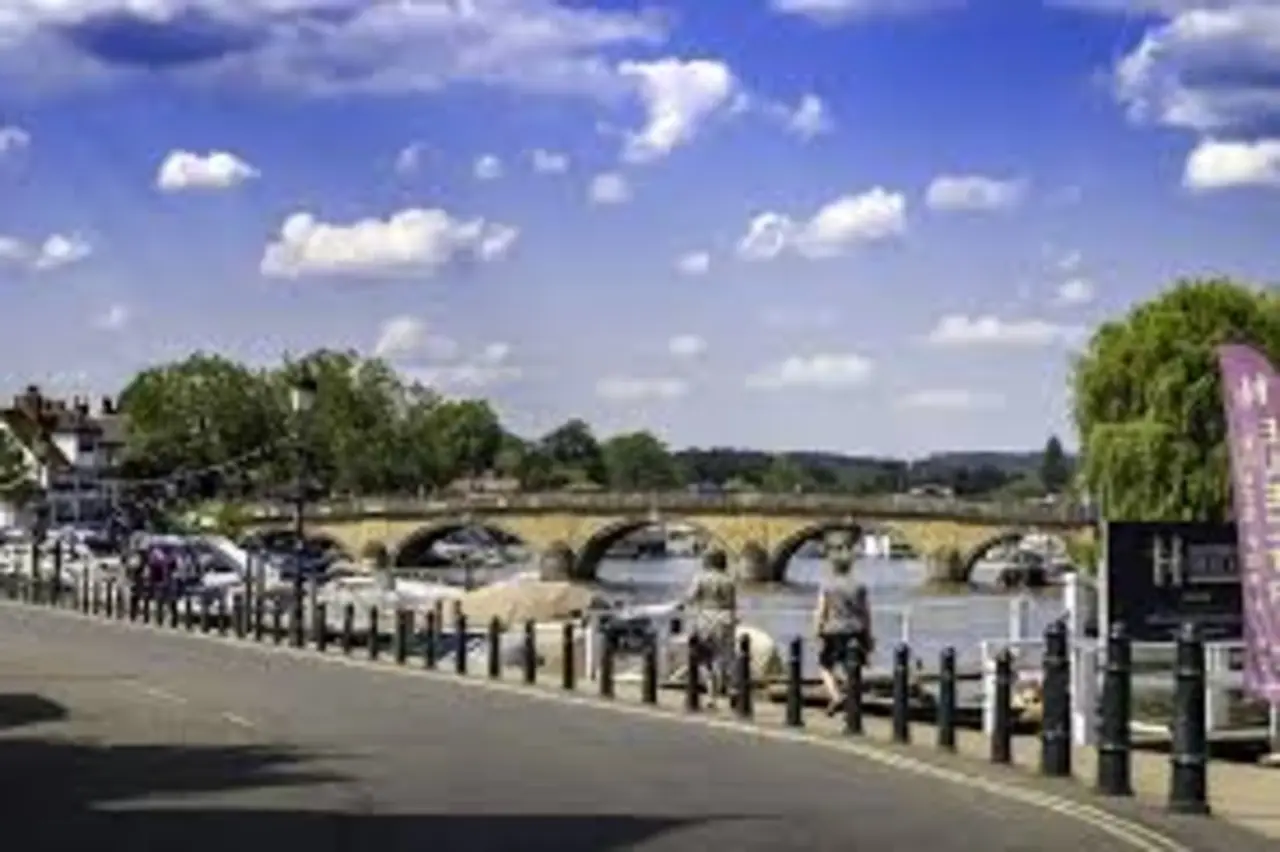
The River Great Ouse runs nearby and is part of the area’s identity even when it is not directly visible from the main streets. The Ouse valley landscape gives the area a slightly softer, more open feel than the higher ground further north and west, with fields and floodplain features that remind you the land has long been managed as much for water as for crops.
Road access is straightforward by local standards. Bromham is connected by village roads to Bedford and to neighbouring settlements, and it sits within reach of the A421, which carries traffic east–west across Bedfordshire. For commuters, the village offers a practical base that does not feel cut off; for long-term residents, that same connectivity can bring rat-running and traffic pressure as regional movement increases.
If you are looking up bromham bedford because you want to locate it in relation to the town, the simplest way to think of it is as a village on Bedford’s western side that is close enough to be influenced daily but far enough to retain a distinct settlement shape.
A village with deep roots: Bromham before the commuter era
Like many Bedfordshire villages, Bromham has a history that reaches back through medieval and early modern periods, shaped by landholding, farming and parish life. The details can be found in local records and county histories, but the broad story is visible in the built form: an older village centre with a church and traditional housing, surrounded by later development that arrived as transport and prosperity changed.
Agriculture defined Bromham for centuries. Fields, hedgerows, and the rhythm of the farming year provided employment and identity. That does not mean the village was isolated. Rural Bedfordshire was always connected to nearby market towns and to London through trade routes and later rail. But the centre of gravity was local: work close to home, family networks rooted in place, and a landscape worked directly by those living on it.
The 20th century altered that balance. Mechanisation reduced agricultural labour demand, Bedford’s economy diversified, and housing patterns shifted. Bromham became more attractive as a residential place for people whose livelihoods were not tied to the land. The village did not stop being rural, but its social base widened. That change continues now, though in different forms: remote working, hybrid commuting and changing family structures have all affected who settles and who stays.
Bromham Hall and the imprint of estates
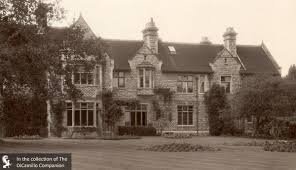
One reason bromham bedford feels layered is that it carries traces of estate history. Bromham Hall and its associated parkland have long been part of the village’s story, reflecting the familiar pattern of English rural life where large houses and landownership shaped local employment and influence.
The hall itself is a tangible reminder that villages were not only collections of cottages and farms. They also contained nodes of power: landowners, patrons, and the social hierarchy that organised rural society well into the 19th century. Even where that hierarchy has softened or collapsed, its physical imprint remains in parkland, historic buildings and the alignment of certain routes.
Bromham today is not “an estate village” in the way some places are, but the presence of Bromham Hall anchors a sense of historical depth. It also influences the landscape around the village, keeping pockets of open ground and mature trees that might otherwise have been developed more intensively.
For residents, estate heritage tends to matter less as a story about the elite and more as a story about the setting: why certain views are still there, why some land remains open, and why the village has a particular texture.
The River Great Ouse: landscape, flooding and everyday access to nature
The Great Ouse is one of the defining rivers of the east of England, and its valley landscapes have shaped settlement for centuries. For Bromham, being near the Ouse brings both amenity and constraint.
On the amenity side, the river and its floodplain support walking routes, wildlife and a sense of space that can be hard to find near a growing town. The Ouse valley is a corridor of green and wetland character that changes with the season: winter water on low fields, spring growth, summer paths and autumn colour. For many residents, this is one of the real benefits of living in bromham bedford: easy access to countryside that is not merely scenic but ecologically alive.
On the constraint side, flood risk and water management shape what can be built and where. Even when a specific property is not at risk, the presence of floodplain affects planning decisions, drainage considerations and the maintenance of ditches and watercourses. In an era of heavier rainfall events and increased attention to climate resilience, the river’s influence is more than a historic detail. It is part of the village’s future planning reality.
Water also affects infrastructure in quieter ways. Paths can become muddy or impassable in wet periods. Road verges and drainage can struggle in heavy rain. These are not unique problems, but in a river valley they become part of local conversation more quickly.
Housing and the shape of the village: older cores, newer edges
Bromham’s housing stock tells the story of a village that has grown in phases. The older centre contains traditional buildings, some with historic character and long-established plots. Around that core, later development has added estates and modern housing that reflect post-war growth and the continuing demand for homes close to Bedford.
The mix of housing has two important implications. First, it makes Bromham socially varied. Villages dominated by one type of housing can become monocultures, either affluent and ageing or transient and pressured. Bromham’s range allows for a broader spread of households, though affordability remains a wider Bedfordshire issue.
Second, it creates practical differences between streets. Some parts of the village have narrow lanes and limited parking, typical of older settlement patterns. Newer areas may have wider roads and driveways but can feel less connected to the historic centre if footpaths and local routes are not well integrated. How people experience bromham bedford depends heavily on which part they live in, not only in terms of housing type but in terms of walkability and community contact.
The underlying question is whether future growth, if it happens, can respect that village shape rather than turning Bromham into a blurred edge of Bedford. That is a planning issue, but it is also a cultural one, because “village identity” is often as much about legible boundaries and local meeting points as it is about aesthetics.
Transport and commuting: the advantage and the cost of proximity
Bromham’s closeness to Bedford is a clear practical advantage. Bedford’s rail links connect to London and the wider region, and many residents use the town as their gateway for work and travel. The village is also within reach of major road routes, making it feasible for those who work across Bedfordshire, Northamptonshire and Milton Keynes.
Yet proximity comes with costs. Traffic levels on local roads can rise quickly as Bedford grows, and villages near town edges often experience through-traffic that was never part of their original road design. Narrow sections, pinch points and informal parking can turn small increases in vehicle numbers into noticeable congestion.
Public transport provision in villages tends to be fragile, shaped by demand and funding. Where buses are infrequent, car dependence increases, and that affects young people, older residents and anyone unable to drive. It also shapes the housing market, because households making location decisions often weigh transport convenience heavily.
Cycling and walking routes matter more now than they did a generation ago, partly because of health and environmental concerns and partly because short-distance movement becomes more attractive when traffic is heavy. If Bromham is to maintain a strong connection with Bedford without simply becoming a car funnel, the quality of these active travel links becomes important.
Schools, services and the practical life of a Bedfordshire village
For many families, the day-to-day decision about where to live is shaped less by heritage than by schools and childcare. Bromham has local schooling provision and sits within the broader Bedford area education landscape, which includes a range of primary and secondary options depending on catchments and admissions policies.
In village life, the school often functions as a community anchor. It is where parents meet, where local events gather momentum, and where a sense of continuity can be maintained even when the housing market changes. When village schools are strong and stable, villages tend to be more resilient. When they struggle with funding pressures or fluctuating intake, the impact spills over into community cohesion.
Other services matter too, but in a village of Bromham’s size and proximity to Bedford, the pattern is usually mixed: some essentials available locally, many accessed in town. That can be efficient, but it also means that the village’s social life depends on having enough local “third places” where people can meet outside home and work. Without those, a commuter village can drift towards quietness that is not always the same thing as peace.
Community identity: continuity, newcomers and local belonging
One of the quiet achievements of many English villages is that they absorb change without losing their sense of themselves. Bromham has had to do that repeatedly. New residents arrive because the location works, because they want a village setting, or because the housing offers value compared with other parts of the region. Long-standing residents carry family histories, social networks and expectations about how things are done.
The health of community identity is often tested in small ways. Do village events still draw a mix of people? Do newcomers join local groups? Are there points of contact that are not dependent on owning a particular type of property? In bromham bedford these questions matter because the village sits close enough to a major town that it could become socially fragmented, with some residents living almost entirely within Bedford’s orbit and others living primarily within village networks.
The best village communities tend to be those where institutions are open and flexible rather than guarded and nostalgic. That is not a matter of preserving the past at all costs; it is a matter of allowing a village to remain socially functional as demographics shift.
Planning pressures and the future: growth, green space and infrastructure
Bedford and the surrounding area face ongoing housing pressure. That pressure is driven by population growth, the attractiveness of the region to London commuters, and the general shortage of housing across much of England. Villages close to towns often become focal points for planning debates because they have available land at the edges and because development there can appear less complex than city-centre regeneration.
For Bromham, the planning questions are predictable but important. How much development can the village absorb without losing its character and capacity? What infrastructure upgrades would be needed in roads, drainage, healthcare and schools? How can new housing be designed so it connects to the existing settlement rather than creating isolated pockets?
There is also the question of landscape protection. The Ouse valley setting, the open land around the village and the presence of historic parkland all contribute to Bromham’s sense of place. Development that erodes these features can change the village in ways that are hard to reverse. At the same time, resistance to all growth can lock out local families and key workers, leaving the village less socially balanced.
The most constructive planning approach in places like bromham bedford tends to focus on quality and integration: housing that meets real local need, supports a mix of household types, and is accompanied by the transport and service provision that prevents growth becoming purely extractive.
Conclusion
Bromham’s appeal is not mysterious. It is close to Bedford but still feels like a village; it sits near a river landscape that provides space and wildlife; it has a historic depth expressed in its buildings and estate traces; and it offers a practical base in a region where convenience increasingly comes at a premium.
But bromham bedford is not a static postcard. It is a working community navigating the same pressures facing many places in southern and central England: housing demand, transport strain, service sustainability and the challenge of keeping village life cohesive when more residents live beyond it. The most useful way to understand Bromham is not as an idealised rural escape, nor as a suburb-in-waiting, but as a village balancing its inheritance with its geography. The quality of that balance will determine what Bromham feels like a decade from now.