Drive east across Cornwall towards the Tamar Valley and the landscape begins to tighten. The wide, open feel of mid-Cornwall gives way to hedged lanes, small fields, steep-sided valleys and settlements that appear suddenly around a bend. Kelly Bray sits in this border country, close to Callington and within striking distance of Plymouth, and it carries the marks of both worlds. It is Cornish in its stone, its place-names and its setting; it is also a village whose growth has been pulled by the gravitational force of jobs, schools and services on both sides of the county boundary.
For many people, “kelly bray cornwall” is a practical search: where exactly is it, what is it like to live there, how does it connect to the surrounding area? Yet Kelly Bray is more than a dormitory settlement. Like so many places in the Tamar hinterland, it has an industrial past that still sits beneath the surface. Mining and quarrying shaped the ground, the housing patterns and the historic economy, even if the modern village is better known for its residential streets, local shops and commuter routes.
Understanding Kelly Bray means paying attention to scale. It is not a tourist honeypot and it is not a remote hamlet. It is a village that has expanded in the last century, absorbing new housing and new residents, while remaining tied to older communities such as Stoke Climsland and to the market town of Callington. Its identity is made from that blend: a place with deep local roots and a steady churn of newcomers who arrive for affordability, access and a quieter pace than the city.
Where Kelly Bray sits in Cornwall’s geography
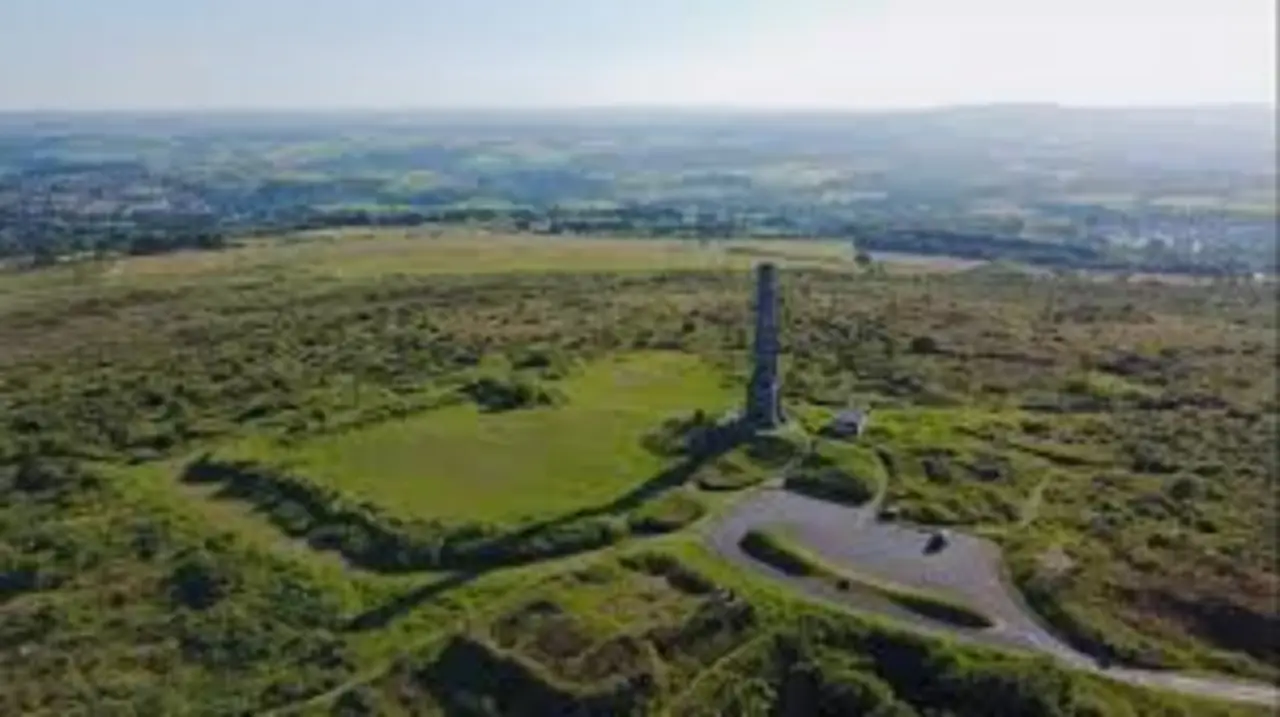
Kelly Bray lies in south-east Cornwall, in the orbit of Callington and close to the county’s border with Devon. The Tamar Valley, which forms much of the boundary, is a defining feature of the wider area: wooded slopes, river crossings, and a sense that the landscape has been used and worked for centuries. The village is also near Kit Hill, a prominent high point that has long served as a landmark for residents and travellers, and which is closely linked to the region’s mining history.
Administratively, Kelly Bray is associated with the parish of Stoke Climsland, one of the larger rural parishes in this part of Cornwall. That matters because parish identity can be strong here. It shapes local institutions, community events, and the way people describe where they live. Someone might say “Kelly Bray” when talking about daily life, but “Stoke Climsland” may appear on documents and in local governance.
In transport terms, Kelly Bray is well placed for road links to Plymouth via the A388 and onward routes. It is not on a main railway line, and that shapes the village’s relationship with work and services. Residents rely heavily on cars and buses, and commuting patterns reflect that.
A brief history: mining, working land and an industrial borderland
To understand why Kelly Bray exists in the form it does, you have to understand south-east Cornwall’s industrial story. This is not the Cornwall of cliff mines and fishing harbours. It is a Cornwall of inland tin, copper and associated minerals, linked into a broader Tamar Valley mining landscape that once had international significance.
Mining in this region was not a minor sideline. It drove the development of settlements, created employment, attracted skilled labour and, at times, generated substantial wealth. It also left a complicated legacy: boom-and-bust cycles, dangerous work, environmental impacts, and an economy that could collapse when global prices shifted or when easier deposits were found elsewhere.
Kelly Bray’s growth is often discussed alongside nearby sites such as Kit Hill and the wider Callington area, where mining and quarrying left visible traces. Even when the mines are long closed, the pattern of housing and the distribution of older buildings can hint at a working past. Rows of cottages, small irregular plots and older track alignments often originate in the demands of industrial labour rather than in leisurely rural development.
This history matters today because it helps explain why the village is where it is, why certain parts of the surrounding landscape look as they do, and why local identity can feel grounded in work rather than in picturesque heritage.
The village as it is now: housing, services and everyday life
Modern kelly bray cornwall is primarily residential. While some residents work locally, many travel to Callington, Launceston, Liskeard, Plymouth and beyond. That shift from a local, extractive economy to a mixed commuter-and-service economy is typical of many Cornish villages that sit within reach of urban employment.
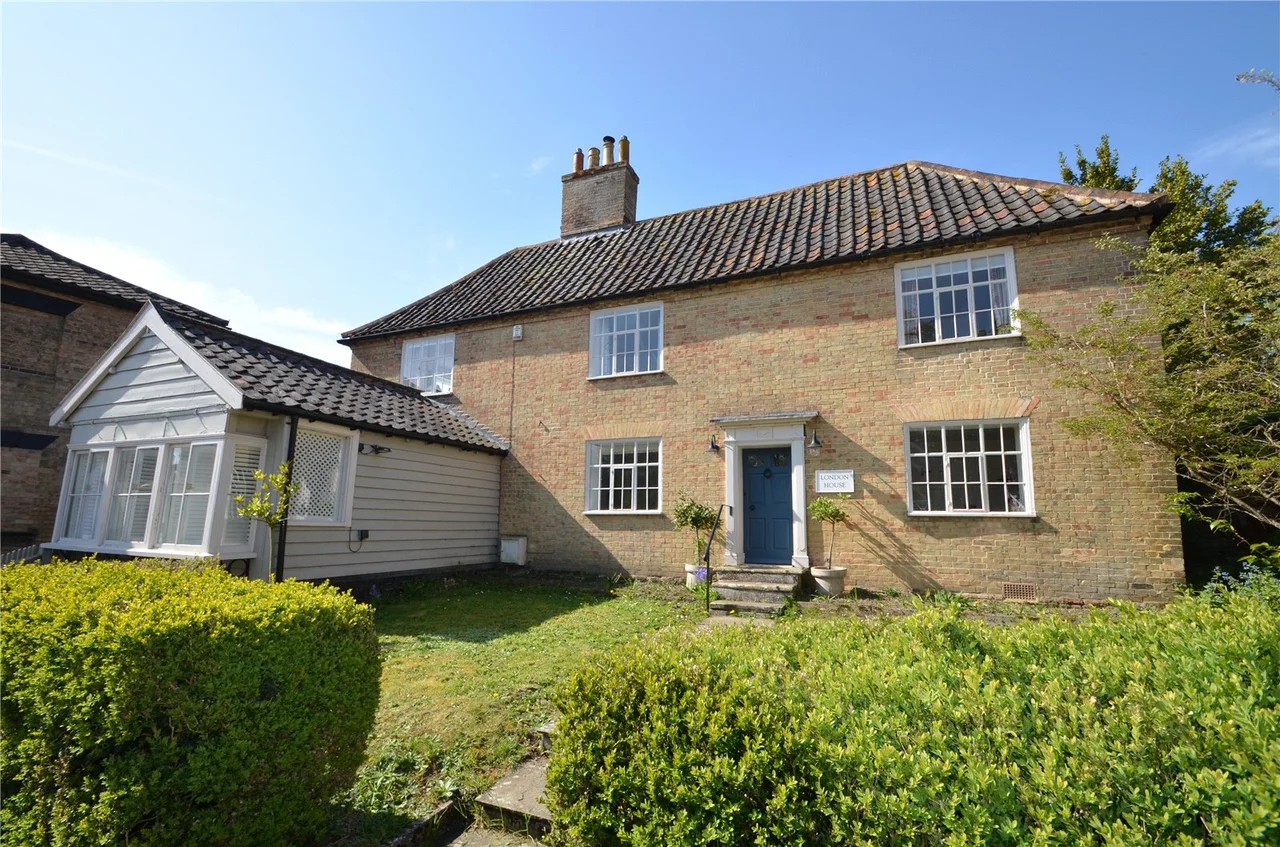
Housing in Kelly Bray includes older cottages and newer estates, and the village’s expansion has been shaped by the wider pressure for homes in Cornwall. In the south-east, that pressure is influenced not only by local need but also by the relationship with Plymouth’s housing market and by the appeal of living on the edge of the Tamar Valley while remaining within commuting distance of larger employers.
Village services are an important part of how Kelly Bray functions. Convenience shops, local trades, takeaways and community facilities are not just amenities; they are what stops a village becoming purely a sleeping place. Kelly Bray’s size helps here. It is large enough to sustain a modest cluster of services, but it still depends heavily on Callington for bigger needs such as supermarkets, wider retail, and some health and administrative services.
The rhythm of daily life reflects that dependence. People do the small tasks locally, and the larger errands in town. This is not unique, but it is particularly visible in places where public transport is limited and where the car remains the default.
Transport and connectivity: the opportunities and constraints of location
Kelly Bray’s location is often described in terms of convenience: close to Callington, within reach of Plymouth, and connected by a network of A-roads and rural lanes. That is true, but it also brings a specific set of constraints.
The road network in this part of Cornwall includes pinch points, narrow sections and routes that can become congested at peak times, particularly where traffic funnels towards Plymouth. For commuters, the day can begin early and end late, and the reliability of journey times becomes an important factor in whether living in kelly bray cornwall feels like a bargain or a burden.
Public transport exists, but it does not replace the car in the way it might in a town with a rail station. Bus services link villages to Callington and other centres, but frequency can be limited and services can be vulnerable to wider funding pressures. For young people, older residents, and anyone without access to a car, this can shape independence and access to employment.
Connectivity in the digital sense also matters increasingly. The ability to work from home, at least part-time, changes how people assess a village. Where broadband and mobile coverage are good, the village becomes more viable for a wider range of occupations. Where they are patchy, it reinforces dependence on commuting.
Schools, families and the question of village demographics
Villages like Kelly Bray often carry two demographic stories at once. On one hand, they can attract young families looking for space, relative affordability, and a sense of community. On the other, they can age as long-standing residents stay put and as younger people struggle with housing costs or move away for education and work.
In the Kelly Bray area, schooling is typically a major consideration for families, with local primary provision and secondary options linked to the wider Callington catchment and other nearby towns. The strength of local schools, and the perception of their quality, can influence housing demand. That in turn affects the village’s age profile, because families tend to move for schools more often than other groups do.
Demographic change is not just a statistical matter. It affects the demand for childcare, the viability of youth clubs and sports teams, the pressure on GP services, and the kind of housing that is needed. A village that becomes dominated by small households can feel quieter and less resilient. A village with a steady mix of ages often supports a richer civic life.
Kelly Bray’s growth suggests it has continued to draw new residents, but the balance between older and younger households will continue to be shaped by Cornwall’s broader challenges: wages that often lag behind housing costs, limited public transport, and the pull of larger cities.
The Tamar Valley setting: landscape, footpaths and working countryside
Kelly Bray sits close to some of Cornwall’s most characterful inland scenery. The Tamar Valley is not dramatic in the cliff-and-surf sense, but it is rich in a different way: wooded riverbanks, historic quays, deep lanes and a sense of layered land use. The village’s proximity to this landscape shapes recreation and daily wellbeing, but it also shapes practical realities.
Footpaths and bridleways are part of the area’s texture. They link small settlements, fields and woodland, and they offer routes that can feel separate from the road network. For residents, these paths are not “visitor attractions” so much as part of the living geography: places to walk a dog, to exercise, to clear the head after work. They also bring responsibilities, particularly around livestock, gates and seasonal ground conditions.
The countryside here remains a working environment. Farming continues, and land management shapes what the area looks like. That can create tensions familiar across rural Britain: the desire for access and amenity alongside the need for agricultural privacy and safety; the push for new housing alongside the protection of landscape character; and the pressure on lanes that were never built for modern traffic volumes.
In kelly bray cornwall, those tensions tend to be felt in everyday details. How safe does the lane feel for walking? How much heavy traffic passes through? Are new estates integrated with footpaths and safe crossings, or do they deepen car dependence? These questions matter because they shape whether village life feels coherent or fragmented.
Local economy: from extractive industry to mixed livelihoods
The biggest economic shift in the Kelly Bray area is the move from industry rooted in the ground to livelihoods rooted in services, commuting and small business. Some employment remains local: building trades, care work, retail, hospitality and small firms that serve the surrounding rural area. Callington, as a nearby centre, provides additional jobs and services.
But a significant portion of employment is now likely to be external. Plymouth is a major draw for work in health, education, defence-related industries, retail and office-based roles. That creates a particular economic pattern. Household incomes may be supported by city employment, while spending is distributed across both Cornwall and Devon depending on convenience and habit. The village itself benefits indirectly through local spending, but it also carries the environmental and social costs of commuting.
This pattern raises a familiar policy question: how can villages sustain local employment and services rather than becoming primarily residential? There is no single answer. In some cases, improved digital connectivity supports home working and small enterprise. In others, planning policies encourage small-scale commercial space or protect village shops. Much depends on broader forces that are hard to control locally, including national retail trends and the economics of care provision.
Community identity: between Stoke Climsland, Callington and the border
Kelly Bray’s identity is shaped by its position between larger reference points. Callington provides a town centre and many essential services, and it naturally pulls the village towards it. Stoke Climsland provides parish identity and, for some, a deeper sense of historical continuity. Devon and Plymouth exert an influence that is not always acknowledged in official narratives of Cornwall, but is felt daily in commuting, shopping and social ties.
This borderland character can be a strength. It can make the area feel connected and practical rather than isolated. It can also create a sense of being overlooked, particularly when county-level decisions are made with a stronger focus on Cornwall’s north coast or on larger towns.
Community cohesion in a growing village is also an active process. As new housing arrives, the village must integrate new residents. That integration depends on the availability of shared spaces and institutions: halls, clubs, informal meeting points, local schools and activities that bring people together. Without those, a village can become a collection of households rather than a community.
Kelly Bray has the kind of scale where community life can be visible, but it is not guaranteed. The challenge for places like this is to maintain a shared local story while the population changes.
Planning and growth: housing need, character and infrastructure
No discussion of a modern Cornish village is complete without planning. Cornwall has faced sustained pressure to build, driven by housing need, migration patterns, and the wider dynamics of second homes and holiday lets in other parts of the county. South-east Cornwall is not immune, and in some ways it is particularly exposed because it sits within reach of Plymouth.
For kelly bray cornwall, the key planning questions tend to revolve around scale and infrastructure. How much growth can the village absorb without losing the qualities that make it liveable? Are roads, drainage, schools and health services keeping pace? Is new housing designed to connect with existing streets and footpaths, or does it create enclaves?
There is also the question of housing mix. A village needs homes that match the incomes of people who work locally, including key workers and younger adults. If new housing skews too heavily towards higher-priced properties, the demographic balance shifts, and local services can struggle with recruitment and retention. Cornwall’s wage-to-house-price ratio is a persistent issue, and villages near commuter routes can see that pressure intensified.
Planning debates can become heated because they sit at the intersection of national need and local character. People can support housing in principle while opposing specific developments. Others can oppose growth broadly while acknowledging that their own children cannot afford to live nearby. Kelly Bray, like many villages, has to live inside those contradictions.
Conclusion
Kelly Bray is not a place that can be understood through a single label. It is a Cornish village with a working past, shaped by the mining landscape of the Tamar hinterland and by the long history of settlement along this border. It is also a modern residential community, increasingly defined by commuting patterns, housing growth and the practical pull of Callington and Plymouth.
To search for kelly bray cornwall is often to ask a simple question about location or lifestyle. The more revealing answer lies in how the village has evolved: from an economy rooted in extraction to one rooted in movement and services; from local employment to a mixed pattern of livelihoods; from a smaller settlement to a larger community negotiating the pressures of growth.
What makes Kelly Bray worth understanding is that it reflects a wider truth about Cornwall’s inland villages. They are not static relics, and they are not merely satellite suburbs. They are places where history sits under modern life, and where the next decade will be shaped as much by housing policy, transport and digital infrastructure as by the landscape that first drew people to settle on this ground.