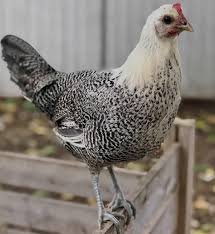
The Fayoumi chicken is a remarkable breed that has captured the attention of poultry farmers and enthusiasts alike. Originating from the Fayoum region of Egypt, this breed has historical roots dating back several centuries. The Fayoumi chicken is renowned for its adaptability and resilience, traits that have made it a favored choice in various farming environments.
One of the striking features of the Fayoumi chicken is its unique ability to thrive in harsh climates and challenging conditions. This breed is well-suited for both free-ranging systems and intensive farming, making it a versatile option for poultry producers. Its robust nature allows it to withstand diseases and pests more effectively than many other breeds, an essential factor in today’s poultry farming landscape.
In terms of significance, the Fayoumi chicken stands out not only for its hardiness but also for its productivity. These birds are prolific layers, producing a substantial number of eggs, which are known for their quality and flavor. The eggs of the Fayoumi chicken are often sought after in local markets, contributing to the economic viability of poultry farming within communities in Egypt and beyond.
Moreover, the Fayoumi breed’s genetics offer a valuable resource for improving the resilience and productivity of various other chicken breeds. Breeders appreciate the genetic traits that Fayoumi chickens embody, facilitating their integration into hybridization programs aimed at enhancing overall poultry performance.
Thus, the Fayoumi chicken serves as a significant player in the global poultry industry, offering solutions to the challenges faced in poultry farming. As we delve deeper into the characteristics and benefits of this exceptional breed, it is evident that the Fayoumi chicken is not just another breed; it is a vital contributor to sustainable poultry production.
Historical Background of Fayoumi Chicken
The Fayoumi chicken is a distinctive breed that traces its origins back to Egypt, showcasing a rich history intertwined with the agricultural practices of ancient civilizations. Named after the region of Fayoum, where they were originally cultivated, these birds have been a part of Egyptian poultry farming for centuries. Their resilience and adaptability have played a crucial role in their survival and propagation over time.
Historically, Fayoumi chickens have been prized for their hardiness, allowing them to thrive in varied climates and environments. This breed is particularly noted for its ability to endure hot and dry conditions, making it well-suited for the arid climate of Egypt. This adaptability facilitated their breeding and spread across different geographic locations, leading to various local adaptations while retaining core characteristics associated with Fayoumi chickens.
As they were introduced to other parts of the world, Fayoumi chickens exhibited remarkable flexibility. They have been successfully integrated into different poultry farming systems, adapting to both intensive farming methods and free-range systems. The breed’s unique traits, including its disease resistance and efficient foraging abilities, have made it a subject of interest for poultry farmers and researchers alike.
Over the centuries, as agricultural practices evolved, the Fayoumi breed remained a vital part of local economies, especially in rural areas. Alongside being a source of meat and eggs, they also hold cultural significance in Egyptian society. Their enduring presence highlights the importance of conservation and the value of heritage breeds in contemporary agriculture.
Physical Characteristics of Fayoumi Chicken
The Fayoumi chicken is a distinctive breed with unique physical characteristics that set it apart from many other poultry varieties. Originating from Egypt, this breed is typically characterized by its medium size, making it a convenient choice for small to medium-scale poultry farming. Adult Fayoumi chickens generally weigh between 3 to 4.5 pounds, with roosters being slightly larger than hens.
One of the most striking features of the Fayoumi chicken is its plumage. The feathers are often displayed in a range of colors, including black, white, and a combination of both, often with shimmering tones that give them a vibrant appearance. The feather patterns are not uniform; they may exhibit unique speckled or mottled patterns which contribute to their beauty and visual appeal. The crest is another notable aspect, as Fayoumi chickens feature a well-defined, medium-sized comb that is bright red in color, providing a sharp contrast to the rest of their feathers.
In terms of body structure, the Fayoumi chicken has a narrow yet upright stance with a strong, angular shape that enhances its agility and ability to forage efficiently. This breed is known for its hardiness and adaptability, allowing it to thrive in various environmental conditions—traits that are beneficial for poultry farmers seeking resilient birds.
Furthermore, Fayoumi chickens possess an intelligent and curious demeanor. They are known to be active foragers, demonstrating a keen ability to seek out food in diverse settings, which is an advantageous trait compared to some other domesticated poultry breeds. Overall, the unique physical characteristics of the Fayoumi chicken not only make it an eye-catching addition to any flock but also highlight its practicality and resilience in poultry farming.
Behavioral Traits and Temperament
The Fayoumi chicken breed is renowned not only for its robust health but also for its distinct behavioral traits and temperament. Originating from Egypt, Fayoumi chickens have adapted well to various farming environments, exhibiting remarkable adaptability that aids in their survival and productivity. One notable aspect of their behavior is their high level of social interaction. Unlike some other poultry breeds, Fayoumi chickens tend to be very curious and inquisitive, which often leads them to be more interactive both among themselves and with their handlers.
Fayoumi chickens are generally known for their calm demeanor, making them an excellent choice for novice poultry farmers. They are less skittish compared to other breeds, which can often result in lower stress levels in flocks, subsequently improving overall health and productivity. Their friendly disposition allows farmers to handle them with ease, fostering a positive human-animal relationship that can benefit husbandry practices. These chickens do well in free-range systems due to their natural foraging instincts, allowing them to explore and interact with their environment, which can enhance mental stimulation.
Additionally, adaptability is a critical factor influencing the welfare of the Fayoumi chicken. They can thrive in a variety of climates, adjusting to either hot or cooler environments with relative ease. This resilience not only reduces the need for specialized housing but also enables farmers to employ different farming methods, whether intensive or extensive. The Fayoumi breed also displays specific behavioral patterns, such as a propensity to roost high, which demonstrates their instinctual need for safety and security. Overall, understanding the behavioral traits and temperament of the Fayoumi chicken plays a significant role in effectively managing their care and optimizing their productivity within diverse farming systems.
Nutritional Benefits of Fayoumi Chicken
The Fayoumi chicken is not only renowned for its hardiness and adaptability but also for its impressive nutritional profile. This breed of poultry offers numerous health benefits, making it an excellent choice for those seeking to enhance their diet with high-quality protein.
Fayoumi chicken meat is low in fat while being rich in essential nutrients, which makes it a healthier alternative compared to conventional chicken breeds. The muscle tissue of Fayoumi chickens contains a higher proportion of valuable proteins that are important for muscle growth and maintenance. Furthermore, the meat is also a good source of vitamin B12, which plays a pivotal role in energy production and the maintenance of healthy nerve cells.
Additionally, the eggs produced by Fayoumi chickens are particularly noteworthy for their nutritional benefits. They typically contain higher amounts of omega-3 fatty acids and vitamins compared to those from other breeds. These eggs not only help in reducing inflammation but are also crucial for heart health, offering a rich source of good cholesterol. Moreover, the yolks have a vibrant color, indicating a higher concentration of carotenoids, which are beneficial antioxidants.
Incorporating Fayoumi chicken and its eggs into one’s diet can also foster a balanced intake of minerals such as calcium, phosphorus, and selenium. These minerals are essential for various bodily functions, including bone health and immune system support. The unique flavor of Fayoumi chicken, often described as richer and more intense compared to that of other breeds, further enhances its appeal as a nutritious food option.
In summary, the Fayoumi chicken presents an exceptional choice for health-conscious individuals aiming to enrich their dietary regimen. With its high protein content, beneficial fats in the eggs, and nutrient-rich profile overall, this resilient breed indeed proves to be a valuable addition to poultry farming and human nutrition alike.
Farming and Rearing Fayoumi Chicken
Farming and rearing Fayoumi chicken requires careful consideration of their specific needs to ensure optimal growth, health, and egg production. This resilient breed, known for its adaptability and hardiness, thrives best in environments that mimic their native conditions. The ideal living conditions for Fayoumi chickens should include proper shelter, access to outdoor spaces, and a clean, dry environment. A well-ventilated coop helps prevent respiratory issues, while covered outdoor runs protect them from extreme weather and predators.
Feeding guidelines for Fayoumi chickens emphasize a balanced diet that supports their growth and production. A high-quality commercial poultry feed should form the foundation of their diet. This feed should contain necessary nutrients such as protein, vitamins, and minerals to meet their energy and health needs. Supplementing their diet with whole grains, such as corn or wheat, can enhance their nutrition and allow for natural foraging behavior. Additionally, providing fresh fruits, vegetables, and access to clean water ensures the flock remains healthy and vigorous.
Health management practices are crucial for maintaining a thriving flock of Fayoumi chickens. Regular vaccinations, parasite control, and observing their behavior for signs of illness are essential components of a proactive health strategy. Establishing a routine for monitoring their health can help detect potential issues before they escalate. Moreover, ensuring that your chickens experience low-stress environments can significantly contribute to their overall well-being, resulting in better egg production and healthier birds. Ultimately, by providing optimal living conditions, a nutritious diet, and diligent health management, farmers can successfully raise a robust and productive flock of Fayoumi chicken.
Economic Aspects of Fayoumi Chicken Farming
The economic viability of raising Fayoumi chicken is a subject of growing interest among poultry farmers due to the breed’s distinct advantages. Initial investment in Fayoumi chickens can vary depending on factors such as location, breeding stock availability, and housing infrastructure. Generally, the cost of acquiring Fayoumi chicks is comparable to that of other poultry breeds, making it an accessible option for both small-scale and larger operations.
When analyzing the cost implications, it is essential to consider feed efficiency and resilience to diseases. Fayoumi chickens exhibit a remarkable ability to thrive on local feeds, which can significantly lower feed costs compared to other breeds that may require specialized diets. Additionally, their hardiness means a reduced expenditure on veterinary care and medication, further enhancing their economic attractiveness.
Profitability in Fayoumi chicken farming is bolstered by the breed’s ability to adapt to various environmental conditions, leading to better overall productivity. Farmers raising Fayoumi chickens report consistent egg production, often surpassing that of other breeds, particularly in unfavorable climates. The eggs produced by Fayoumi chickens are known for their nutritional value and quality, which can command higher market prices.
Anecdotal evidence from farmers incorporating Fayoumi chickens into their operations underscores the breed’s economic implications. For instance, a farmer in Egypt noted a doubling of profit margins after transitioning from traditional poultry breeds to Fayoumi, highlighting the competitive edge gained in a saturated market. Case studies like this illustrate that as demand for organic and free-range products increases, Fayoumi chickens are poised to meet this need, ensuring sustained profitability for farmers.
Challenges in Raising Fayoumi Chicken
Raising Fayoumi chickens can present several unique challenges that farmers must navigate to ensure a successful poultry operation. One of the most significant issues encountered is disease management. Fayoumi chickens are known for their hardiness and resilience, yet they are still susceptible to various diseases common in poultry. Farmers must implement stringent biosecurity measures, such as proper sanitation, vaccination protocols, and regular health monitoring, to minimize the risk of disease outbreaks. By maintaining a clean environment and ensuring vaccinations are up to date, farmers can greatly enhance the overall health of their flock.
Environmental factors also play a crucial role in the successful raising of Fayoumi chickens. These birds are adaptable to changing conditions, but extreme temperatures, inadequate housing, and poor ventilation may negatively impact their growth and productivity. It is essential for farmers to provide appropriate housing that offers protection from harsh weather conditions and sufficient space to avoid overcrowding. Good ventilation and appropriate bedding materials can help maintain a suitable environment for their chickens, ensuring the birds remain healthy and comfortable.
Market access represents another challenge for many Fayoumi chicken farmers. Although these birds are increasingly recognized for their meat quality and egg production, farmers may struggle with the marketing and distribution of their products. Building relationships with local markets, establishing branding around the unique qualities of Fayoumi chickens, and exploring options for online sales can help improve market access. Education on the nutritional benefits of Fayoumi chicken can further entice consumers and encourage demand.
In conclusion, while raising Fayoumi chickens presents certain challenges, implementing best practices in disease management, environmental control, and market strategies can significantly enhance the success of this resilient breed in poultry farming.
Conclusion: The Future of Fayoumi Chicken in Poultry Farming
As the poultry industry continues to evolve, the Fayoumi chicken emerges as a notable contender in the quest for sustainable farming solutions. Originating from Egypt, this breed is not only recognized for its resilience in harsh environments but also for its ability to adapt to varying climatic conditions. This characteristic positions Fayoumi chicken as a prime candidate for farmers aiming to maintain productivity while addressing the challenges posed by climate change.
The robust nature of the Fayoumi chicken translates into lower mortality rates and reduced dependency on medical interventions, thus presenting a more organic approach to poultry farming. As consumer preference shifts towards ethically raised and sustainable food sources, this breed could play a significant role in meeting such demands. Furthermore, Fayoumi chickens require fewer resources than traditional breeds, leading to potentially lower production costs, which is an appealing prospect for commercial farmers.
Looking ahead, the future of Fayoumi chicken appears promising. Research and development initiatives aimed at enhancing the breed’s characteristics—such as disease resistance and growth rate—could further solidify its position in the market. Additionally, as farmers become more aware of the ecological impacts of traditional poultry practices, there is an increasing interest in integrating Fayoumi chickens into diverse agricultural systems. This integration not only enriches biodiversity but also promotes a stable ecosystem.
In conclusion, the Fayoumi chicken stands at the intersection of tradition and innovation within poultry farming. Its beneficial traits and adaptability mark it as a viable option for sustainable farming practices. As the global landscape of agriculture continues to change, embracing breeds like the Fayoumi chicken could lead to a more resilient and sustainable future for poultry farming.