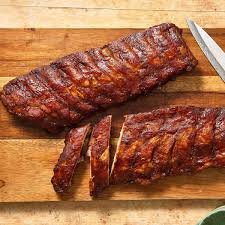
Smoking ribs is a culinary art that has deep historical roots, with origins tracing back to various cultures that utilized low-and-slow cooking methods to create flavorful, tender meats. The process involves cooking ribs over indirect heat while infusing them with aromatic smoke from wood chips, which not only enhances their flavor but also contributes to the tenderizing process. Particularly in regions such as the American South, smoking ribs has evolved into a time-honored tradition celebrated at gatherings, festivals, and family barbecues.
There is undeniable appeal when it comes to smoked ribs. The slow cooking process allows the collagen in the meat to break down gradually, resulting in an irresistibly tender, fall-off-the-bone texture. Chefs and grilling enthusiasts alike appreciate the rich flavors that permeate the meat, creating a delicious contrast between the smoky exterior and the succulent interior. The combination of sweet and savory seasonings, often known as rubs, further elevates the experience, making each bite a delight for the palate.
Moreover, the sensory experience associated with smoking ribs is captivating; the fragrant aroma wafting through the air, the crackling of meat on the grill, and the enticing sight of beautifully caramelized ribs all contribute to a memorable cooking experience. This method of preparation not only brings people together around the grill but also holds cultural significance as a communal activity that fosters connections among family and friends.
In conclusion, the art of smoking ribs is a time-honored tradition that combines history, cultural significance, and unparalleled flavor. As more enthusiasts discover the joys of smoked ribs, this method continues to be embraced as a cornerstone of barbecuing, promising delicious results with every perfectly cooked rack.
Choosing the Right Ribs
When embarking on the journey of smoking ribs, it is essential to understand the various types of ribs available, as each type offers distinct characteristics and flavor profiles. The three most common varieties are baby back ribs, spare ribs, and St. Louis-style ribs. Making the right choice will significantly influence the outcome of your smoked dish.
Baby back ribs, which come from the upper portion of the pig’s ribcage, are known for their tenderness and lean meat. Typically smaller and curved, they cook more quickly than other types of ribs and are often favored for their balance of meat and fat. The flavor of baby back ribs is mild, allowing for versatility in seasoning and sauce combinations, making them an ideal choice for those new to smoking ribs.
In contrast, spare ribs are larger, meatier, and come from the belly side of the ribcage. They have a higher fat content, which can result in enhanced flavor and tenderness when smoked properly. The additional fat makes spare ribs a great candidate for low-and-slow cooking methods, allowing the fat to render down and infuse the meat with rich, smoky flavors.
St. Louis-style ribs are a trimmed version of spare ribs, removing the rib tips and excess meat. This cut offers a more uniform shape, making them easier to manage on the smoker. Like spare ribs, they possess rich flavor and can be enhanced with various rubs and marinades. When selecting any type of ribs, look for well-marbled meat with a pinkish-red color and minimal breakage in the bones, which indicates freshness and good quality.
In summary, choosing the right type of ribs for smoking is crucial to achieving the desired flavor and tenderness. Understanding the distinctions between baby back ribs, spare ribs, and St. Louis-style ribs enables you to create a memorable smoking experience tailored to your personal preferences.
Essential Smoking Equipment
Smoking ribs requires a careful selection of equipment that can significantly impact the flavor and tenderness of the final product. At the forefront of these tools is the type of smoker you choose to utilize. There are four primary types of smokers: electric, charcoal, wood, and pellet smokers, each offering different experiences and results.
Electric smokers are ideal for those who appreciate convenience, providing consistent heat and manageable temperature control, making them a popular choice among beginners. Charcoal smokers, on the other hand, impart a distinctive smoky flavor that many purists cherish. They require more attention to maintain temperature, but the rewards can be rewarding in terms of taste. Wood smokers, often used for traditional smoking, allow for versatile wood chip choices, enabling cooks to experiment with various flavor profiles. Finally, pellet smokers blend the convenience of electric systems with the authentic taste of wood, making them increasingly popular among smoking enthusiasts.
In addition to the smoker itself, a reliable thermometer is an essential tool for any smoking process. Maintaining accurate temperatures is crucial to ensure that the ribs are cooked safely and to perfection. A digital instant-read thermometer is recommended, as it provides quick and accurate readings without the need to open the smoker frequently, preserving internal heat and smoke consistency.
Lastly, consider additional accessories such as wood chips or chunks for flavor, which are paramount when smoking ribs. A good supply of quality wood can greatly influence the final outcome. Moreover, heat-resistant gloves, a meat injector for marinating, and racks for optimal spacing within the smoker can further elevate your smoking experience. By carefully selecting the right smoking equipment and accessories, you can master the art of smoking ribs and elevate your culinary endeavors.
Preparing Your Ribs for Smoking
To achieve optimal flavor and tenderness when smoking ribs, proper preparation is key. The first step involves trimming the ribs. Begin by removing the membrane on the bone side, as this can prevent seasonings from penetrating deeply into the meat. Use a sharp knife to carefully lift the membrane at one end, then grip it with a paper towel for better traction and pull it off entirely. This initial step plays a crucial role in ensuring that the flavors from your rub or marinade are able to infuse effectively into the ribs.
Next, consider applying a dry rub or marinade to enhance the flavor profile of your smoked ribs. A well-balanced dry rub typically consists of a mix of salt, sugar, and various spices such as paprika, garlic powder, and black pepper. The sugar not only enhances the flavor but also caramelizes during the smoking process, contributing to a beautiful bark on the ribs. Generously coat all surfaces of the ribs with your chosen rub, massaging it into the meat to ensure even distribution.
After applying the seasoning, let the ribs rest for at least one hour, or ideally, refrigerate them overnight. This resting period allows the spices to penetrate the meat more effectively, amplifying the overall flavor when smoked. Some pitmasters even recommend wrapping the seasoned ribs in plastic wrap during this time to lock in moisture and enhance tenderness. Following these steps—trimming the ribs, seasoning them properly, and allowing them to rest—will set the stage for a successful smoking session. When you finally place the ribs in the smoker, you can expect to achieve that tender, flavorful result that makes smoking ribs so rewarding.
Smoking Techniques and Tips
Smoking ribs is a craft that combines patience, skill, and a profound understanding of the ingredients and techniques involved. Achieving the perfect smoked ribs requires a keen focus on several aspects, including temperature management, wood selection, and cooking duration. By mastering these techniques, both novice and experienced smokers can elevate their rib preparation to new heights.
Temperature management is crucial when smoking ribs. Ideally, the smoking process should be maintained at a low and steady temperature, typically between 225°F to 250°F. This temperature range allows the meat to cook slowly, breaking down connective tissues and producing a tender, flavorful dish. It is advisable to invest in a reliable meat thermometer to ensure accuracy; this will enable you to monitor the internal temperature of the ribs effectively. When the meat reaches an internal temperature of about 190°F to 203°F, the ribs are typically deemed done.
Choosing the right type of wood for smoking is another key aspect that greatly influences flavor. Different woods impart unique flavors, with hickory being a popular choice for its strong, smoky flavor. Applewood and cherry wood provide a milder, slightly sweet flavor that complements the pork, while mesquite offers a more robust and earthy taste. Whichever wood type is chosen, it is essential to ensure that it is seasoned and free from chemicals or substances that could taint the meat.
Moreover, cooking durations can vary based on the rib type and thickness. For baby back ribs, a smoking time of approximately 4 to 5 hours is often recommended, whereas spare ribs may require 5 to 6 hours due to their greater size and fat content. Maintaining patience throughout this process is critical, as rushing can compromise both flavor and tenderness.
By following these smoking techniques and tips, anyone can refine their skills in smoking ribs, leading to delectable and satisfying results. With practice and experimentation, each smoking session will further improve the quality of the finished product.
The Role of Marinades and Rubs
When it comes to smoking ribs, the flavors and textures achieved through marinades and dry rubs are essential components of the final product. Marinades involve soaking the ribs in a flavorful liquid, while rubs consist of a blend of dry spices and herbs applied directly to the meat. Both techniques can significantly enhance the overall taste, tenderizing the meat while also introducing a variety of flavors that complement the smokiness achieved during the cooking process.
Marinades serve multiple purposes in the smoking process. They typically contain acidic ingredients such as vinegar, citrus juice, or yogurt, which help to break down tough fibers in the meat. This results in ribs that are not only more tender but also infused with the marinade’s flavors. A simple marinade for ribs can be crafted from a combination of apple cider vinegar, olive oil, garlic, and soy sauce, which together create a tantalizing blend to enhance the savoriness of the dish.
On the other hand, dry rubs are essential for creating a delicious crust on smoked ribs. A well-balanced rub can add depth and complexity to the meal with a blend of spices that enhance the natural flavors of the meat. A basic rib rub may contain brown sugar, paprika, salt, and black pepper; however, experimenting with additional spices such as cumin, cayenne pepper, or even coffee can create unique variations. Applying the rub generously to the ribs before they go into the smoker allows the spices to adhere, forming a flavorful bark that contrasts beautifully with the tender meat inside.
By utilizing marinades and dry rubs tailored to personal taste preferences, pitmasters and home cooks alike can unlock a wide spectrum of flavors when smoking ribs, enhancing both the culinary experience and the enjoyment of this iconic dish.
Serving and Pairing Smoked Ribs
When serving smoked ribs, presentation plays a vital role in enhancing the dining experience. Begin by arranging the ribs on a large platter, ideally in a rustic manner that highlights their smoky, caramelized crust. Consider garnishing the platter with fresh herbs such as parsley or cilantro, which adds a pop of color and an additional aromatic layer that complements the rich flavors of the meat. Additionally, stacking the ribs can create a visually appealing centerpiece for your table.
Pairing side dishes with smoked ribs is essential to create a well-rounded meal. Classic options include creamy coleslaw, which provides a refreshing contrast to the rich, savory flavors, and baked beans that add depth with their sweet and smoky taste. Grilled corn on the cob is another excellent choice; its sweetness perfectly complements the smokiness of the ribs, while also adding a bit of texture to the meal. For a lighter option, consider a simple cucumber and tomato salad, which can help balance the heavier profile of smoked meats.
When it comes to sauces, selection is key. A tangy vinegar-based sauce, such as Carolina-style BBQ sauce, can cut through the richness of the ribs, while a sweet and smoky Kansas City-style sauce might appeal to those who prefer a bolder flavor. Offering multiple sauces allows guests to customize their experience, tailoring the flavors to their personal preference. Furthermore, beverages should not be overlooked; pairing smoked ribs with a cold beer, such as a brown ale or lager, can enhance the meal. Alternatively, a full-bodied red wine, like a Zinfandel or Syrah, pairs beautifully with the aromatic and savory notes of the smoked ribs.
By thoughtfully considering the presentation, sides, sauces, and beverages, the experience of enjoying smoked ribs can be elevated, ensuring that every aspect of the meal is as delightful as the ribs themselves.
Troubleshooting Common Smoking Issues
Smoking ribs is a culinary art that can yield delicious results when done correctly. However, several common issues can arise during the smoking process, leading to unsatisfactory outcomes. Understanding these issues and their solutions is essential for anyone looking to master the skill of smoking ribs.
One prevalent problem is excessive dryness. When ribs dry out during smoking, it can result from too high a cooking temperature or inadequate moisture. To combat dryness, consider wrapping the ribs in foil for part of the cooking duration, a method known as the Texas crutch. This technique locks in moisture and allows the ribs to steam, rendering them tender and juicy. Additionally, ensure that you are using a quality rub that includes sugar, which can help retain moisture and create a beautiful caramelized crust.
Another frequent concern is insufficient smoke flavor. Achieving that desirable smoky essence can be tricky for novice smokers. If your ribs lack smoke flavor, it may be due to using too little wood or using the wrong type of wood for your preferred taste. Utilize hardwoods such as hickory or mesquite, which impart more robust flavors suitable for smoking meats. Another tip is to soak your wood chips for about 30 minutes before placing them in the smoker, as this will help generate more smoke and enhance flavor infusion.
Maintaining a consistent temperature is crucial in the smoking process. Fluctuations can lead to uneven cooking, impacting both tenderness and flavor. A good practice is to invest in a reliable thermometer to monitor internal temperatures accurately. Ideally, the cooking temperature should be around 225 to 250 degrees Fahrenheit for optimal results. Adjust vents on your smoker to control airflow and temperature as needed, ensuring the smoking ribs cook evenly.
By addressing these common smoking issues with the outlined solutions, you can significantly improve the quality of your smoked ribs, achieving both flavor and tenderness with each attempt.
Conclusion: Mastering the Art of Smoking Ribs
The journey of mastering the art of smoking ribs is one that brings great satisfaction and joy to barbecue enthusiasts. Having explored the various techniques, flavors, and cooking methods throughout this article, it is clear that creating the perfect rack of ribs is as much about skill and patience as it is about the chosen ingredients. Each aspect plays a vital role in achieving that ideal smoky flavor and tender texture that defines great barbecue.
Experimentation is key when it comes to smoking ribs. Whether one is trying out different woods for smoking, experimenting with dry rubs, or adjusting cooking times and temperatures, the process allows for creativity and personalization. Each cook will find their own rhythm and preferences, leading to a unique expression of their culinary art. This experimentation not only enhances the flavors but also fosters a deeper appreciation and understanding of the methods behind smoking ribs.
Moreover, home-cooked barbecue traditions offer an invaluable opportunity to gather friends and family around the table, creating memorable moments and shared experiences. The aroma of ribs smoking in the backyard serves as an invitation for connection and celebration, reminding us of the importance of food as a medium for bonding and creating lasting memories.
In summary, whether a novice or an experienced pitmaster, the art of smoking ribs invites all to engage in this time-honored craft. The rewards of patience and practice culminate into beautifully smoked ribs that are sure to impress. Therefore, embrace the journey, enjoy each step along the way, and let the process of smoking ribs become an integral part of your culinary repertoire.