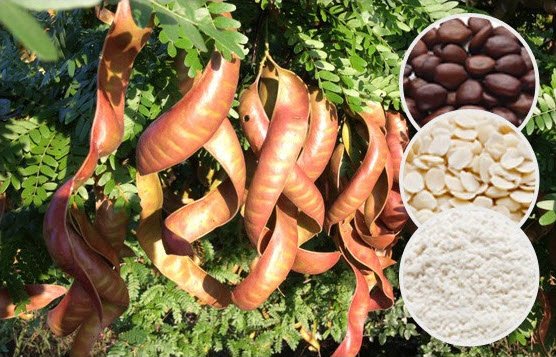
Carob bean gum, also known as carob gum or locust bean gum, is a natural thickening and stabilizing agent derived from the seeds of the carob tree (Ceratonia siliqua). This evergreen tree is predominantly found in Mediterranean regions, flourishing in dry and arid climates. The carob tree can grow to a height of up to 15 meters and produces long, flat pods containing edible seeds. Historically, both the pods and seeds of the carob tree have held significance, with ancient civilizations using them for various applications, including food, textiles, and even currency.
Derived from the seeds of the carob tree, carob bean gum is extracted through a meticulous process that involves harvesting the ripe pods, followed by separating the seeds from the pod. The seeds are then processed to produce a powder, which is rich in galactomannan, a carbohydrate that exhibits thickening properties. These unique botanical characteristics contribute to the versatility of carob bean gum, making it suitable for different applications in food and industrial products.
Carob bean gum has a long history of utilization, initially being embraced by Greek and Roman societies, where it was considered a nutritious food source. In the modern era, its applications have expanded significantly, particularly in the food industry. The properties of carob bean gum allow it to improve texture, enhance flavor, and provide stability in a wide range of products, including dairy alternatives, sauces, and baked goods. Its hypoallergenic nature and effectiveness as a thickening agent further solidify its popularity, indicating a continued relevance in contemporary culinary practices.
Nutritional Profile of Carob Bean Gum
Carob bean gum, derived from the seeds of the carob tree (Ceratonia siliqua), is gaining recognition not only for its functional properties as a thickening agent but also for its nutritional benefits. One of the key components of carob bean gum is its high dietary fiber content. This soluble fiber plays a crucial role in digestive health by promoting regularity and supporting gut health.
In addition to dietary fiber, carob bean gum is composed of carbohydrates that provide energy. Unlike traditional thickeners, carob gum does not contribute significant calories or fat, making it an appealing option for health-conscious consumers. It is particularly valued in gluten-free and low-calorie recipes, offering a plant-based alternative to conventional thickening agents.
Furthermore, carob bean gum is rich in essential minerals, such as calcium and potassium, which are vital for maintaining proper bodily functions. Calcium supports bone health, while potassium aids in regulating blood pressure. These essential nutrients make carob bean gum a beneficial addition to various diets, particularly for individuals seeking to enhance their nutrient intake without compromising taste or texture.
When comparing carob bean gum to other thickening agents like xanthan gum or guar gum, it is noteworthy that carob gum has a unique flavor profile that lends a pleasant sweetness, making it suitable for a variety of culinary applications. Its compatibility with various ingredients allows it to be utilized in both sweet and savory dishes, further broadening its appeal.
Moreover, the relatively low glycemic index of this natural thickener makes it a safe option for individuals managing blood sugar levels. In this context, carob bean gum not only acts as an effective thickening agent but also contributes positively to overall nutritional health.
How Carob Bean Gum is Used in Food Products
Carob bean gum, also known as locust bean gum, is a versatile ingredient commonly utilized in the food industry. Extracted from the seeds of the carob tree, this natural thickening agent offers various functional properties that enhance the texture and stability of food products. Its ability to form gels and thicken solutions makes it an ideal choice for a wide array of applications.
One of the primary uses of carob bean gum is in dairy products. It is often added to ice cream and yogurt to create a creamy mouthfeel and prevent ice crystal formation. The incorporation of this thickening agent helps maintain product consistency, allowing for a smoother texture that consumers find appealing. Additionally, it is used in milk products to stabilize emulsions, ensuring uniformity in every sip.
Moreover, carob bean gum is a popular stabilizer in sauces and dressings. It aids in preventing separation and curdling, allowing for a cohesive product that maintains its desired consistency over time. The use of this ingredient in gravies, marinades, and fruit sauces is widespread, as it provides a glossy finish while enhancing the overall flavor experience.
In the realm of desserts, carob bean gum plays a key role in improving the texture of puddings and custards. By thickening liquid components, it contributes to a desirable, velvety consistency that enhances the dessert’s mouthfeel. Its usage extends to gluten-free baked goods, where it helps mimic the textural properties of gluten, allowing for a satisfactory product.
In conclusion, the applications of carob bean gum in the food industry are extensive and significant. From dairy to sauces and desserts, this unique thickening agent serves to enhance the quality and stability of numerous food products, making it an essential component for manufacturers and consumers alike.
The Role of Carob Bean Gum in Gluten-Free Cooking
Carob bean gum, derived from the seeds of the carob tree, serves as an important thickening agent in gluten-free cooking. For those who cannot consume gluten, whether due to celiac disease or a gluten sensitivity, finding suitable replacements that maintain the integrity of baked goods can be challenging. Carob bean gum emerges as a key ingredient owing to its unique properties that allow it to mimic the structure and elasticity often provided by gluten.
When substituting flour in gluten-free recipes, carob bean gum can enhance the texture of baked items. It acts by binding water and helping to retain moisture, which is crucial since gluten-free flours generally produce drier outcomes. The ability of carob bean gum to provide thickness and stability is particularly advantageous in batters and doughs, enabling them to achieve a more desirable consistency.
Additionally, carob bean gum is versatile and can be integrated into various gluten-free recipes, including bread, cookies, cakes, and sauces. Its thickening capability allows for improved texture, giving baked goods a more satisfying structure. Many gluten-free formulations benefit from the addition of carob bean gum to achieve a chewy, moist outcome without relying on gluten-based binders.
Moreover, carob bean gum has the added benefit of being a natural product, making it attractive to health-conscious consumers looking for cleaner ingredients in their diet. In conclusion, carob bean gum plays a crucial role in gluten-free cooking, enhancing the quality and palatability of gluten-free products while addressing the challenges often faced in the absence of gluten.
Health Benefits and Safety of Carob Bean Gum
Carob bean gum, derived from the seeds of the carob tree, is renowned for its thickening properties and has gained attention for its potential health benefits. One of the primary benefits attributed to carob bean gum is its ability to aid digestion. As a soluble fiber, it can help to regulate bowel movements and promote overall gut health. The presence of fiber can also contribute to feelings of satiety, which may assist in appetite control and weight management.
In addition to its digestive advantages, carob bean gum may positively influence cholesterol levels. Some studies suggest that the soluble fiber in carob bean gum can help lower LDL (bad) cholesterol, potentially reducing the risk of cardiovascular disease. By absorbing water and forming a gel-like substance in the intestine, this natural thickening agent can bind with bile acids and promote their excretion, thus encouraging the body to utilize cholesterol for bile acid production.
Despite its health benefits, it is essential to approach carob bean gum with a balanced perspective regarding safety and potential side effects. Generally recognized as safe (GRAS) by the FDA, carob bean gum is well-tolerated in moderate amounts. However, excessive consumption may lead to gastrointestinal discomfort, including bloating and diarrhea, particularly for individuals not accustomed to high fiber intake. Additionally, those with soy allergies should exercise caution, as cross-reactivity may occur.
In conclusion, carob bean gum presents several health benefits, notably in digestive health and cholesterol management. While it is generally safe for consumption, individuals should consume it in moderation to avoid any adverse effects. As always, consulting with a healthcare professional before making any significant changes to one’s diet is advisable.
Environmental Impact and Sustainability of Carob Bean Gum Production
The environmental impact and sustainability of carob bean gum production present a compelling case for its use as a natural thickening agent. Carob trees, native to the Mediterranean region, thrive in arid and semi-arid climates, demonstrating a remarkable resilience to drought. This adaptability makes carob cultivation a sustainable choice for farmers, as it requires less water compared to more conventional crops. The cultivation of carob trees not only utilizes land that may be unsuitable for other agricultural practices but also contributes positively to the surrounding ecosystem.
Farming practices associated with carob bean production are generally low-impact. Many growers implement traditional farming methods, which often eschew the use of synthetic fertilizers and pesticides. Instead, organic practices are utilized, enhancing the soil’s health and fostering biodiversity. Carob trees play an integral role in preventing soil erosion, improving soil structure, and enabling carbon sequestration, all of which contribute to a healthier environment.
The harvesting process of carob beans is also noteworthy for its sustainability. The pods are typically collected manually, reducing the reliance on heavy machinery that can compact soil and disrupt local habitats. Moreover, the trees have a long productive lifespan, often yielding beans for several decades, which minimizes the need for replanting and the associated ecological disturbances.
Furthermore, carob bean gum production aligns with the principles of agroforestry, where trees and shrubs are integrated into agricultural systems. This approach not only maximizes land use but also enhances carbon stocks and improves overall biodiversity. Therefore, the emphasis on the sustainable practices inherent in carob bean gum production makes it an environmentally friendly alternative for various applications, reinforcing its appeal as a natural thickening agent.
Carob Bean Gum in Non-Food Industries
Carob bean gum, derived from the seeds of the carob tree, is gaining recognition not only in the culinary world but also in various non-food sectors, owing to its impressive thickening and emulsifying properties. This natural polysaccharide has found multiple applications in industries such as cosmetics, pharmaceuticals, and even industrial products, significantly enhancing product stability and texture.
In the cosmetics industry, carob bean gum serves as an important ingredient in formulations, contributing to the viscosity and texture of creams, lotions, and gels. Its ability to form a stable gel-like consistency is instrumental in products like moisturizers and serums, providing a desirable feel on the skin. Furthermore, due to its natural origin, it is often preferred for formulations aimed at consumers seeking organic or sustainably sourced ingredients.
In pharmaceuticals, carob bean gum plays a vital role as a binder and thickener. It is commonly used in tablet formulations, where it enhances the product’s consistency and helps ensure uniform distribution of active ingredients. Its emulsifying properties are utilized in liquid formulations, aiding in the stability of suspensions, which is crucial for maintaining the efficacy and shelf-life of pharmaceutical products.
Moreover, carob bean gum shows potential in various industrial applications, such as in composite materials and as a thickener in paints and coatings. Its exceptional film-forming properties allow it to act as a protective agent, enhancing the durability of products. The versatility of carob bean gum thus extends beyond just food, showcasing its significance across a diverse range of sectors.
How to Incorporate Carob Bean Gum in Your Cooking
Carob bean gum, a natural thickening agent derived from the seeds of the carob tree, is highly versatile and can easily be integrated into various cooking and baking recipes. To maximize its potential, it is essential to use the right measurements and techniques when incorporating it into your meals.
When using carob bean gum as a thickener, a general guideline is to use approximately 1 to 2 teaspoons per cup of liquid for desired thickness. Since carob bean gum is soluble in cold and hot liquids, it is vital to mix it well to avoid clumping. One effective method is to whisk the gum in a small amount of liquid before adding it to the main mixture. This allows for better dispersion and ensures an even consistency throughout the dish.
For baking, carob bean gum can be particularly useful in gluten-free recipes. It helps simulate the structure normally provided by gluten, resulting in a softer texture. When you are experimenting with baked goods, consider using 1 to 2 teaspoons of carob bean gum per cup of gluten-free flour. Incorporating this ingredient can enhance moisture retention and improve the overall texture of cakes, cookies, and bread.
Additionally, carob bean gum can be an excellent thickness booster for sauces, dressings, and smoothies. For sauces, start with a small amount, allowing for adjustments based on your preferred consistency. In smoothies, blending the gum with other ingredients ensures a smooth, creamy texture without added calories or fats. Always aim for gradual additions to attain the desired thickness without overwhelming the blend.
In conclusion, integrating carob bean gum into your everyday cooking can elevate your dishes while maintaining a healthy profile. Understanding its properties and the appropriate measurements will enable you to enjoy the benefits of this natural ingredient seamlessly.
Future Trends and Innovations with Carob Bean Gum
As we look towards the future, carob bean gum is poised to become an increasingly important ingredient in various industries, particularly within the food sector. This natural thickening agent, derived from the pods of the carob tree, is already recognized for its versatility and functionality. Emerging research continues to uncover new potential applications for carob bean gum, paving the way for innovations that could enhance food products and consumer experiences.
One area of interest lies in the development of healthier food alternatives. As consumer preferences continue to shift towards clean-label products and natural ingredients, carob bean gum stands out as an appealing option. Its ability to serve as a thickener, stabilizer, and emulsifier without synthetic additives makes it particularly attractive for manufacturers aiming to meet these evolving dietary preferences.
Furthermore, ongoing investigations into the nutritional and health benefits of carob bean gum are also contributing to its appeal. Studies have begun to spotlight the potential of this ingredient in managing certain health conditions, including its possible role in aiding digestive health. Such findings could lead to the integration of carob bean gum in functional foods designed to provide specific health benefits, thereby further expanding its market presence.
Innovations in processing and extraction methods are likely to enhance the quality and yield of carob bean gum, making it more viable for commercial use. Advances in technology may facilitate the extraction of carob bean gum that retains higher levels of bioactive compounds, thereby increasing its functional properties. As scientific understanding of carob bean gum evolves, it may lead to the development of specialized formulations tailored for specific applications, tailored not only for food products but potentially in cosmetics and pharmaceuticals as well.
In summary, the future of carob bean gum looks promising, driven by emerging research efforts, innovations in processing, and an increased interest in natural ingredients. With its potential for numerous applications leading the charge, carob bean gum will likely play a key role in the evolution of products that meet modern consumer demands for health, sustainability, and quality.