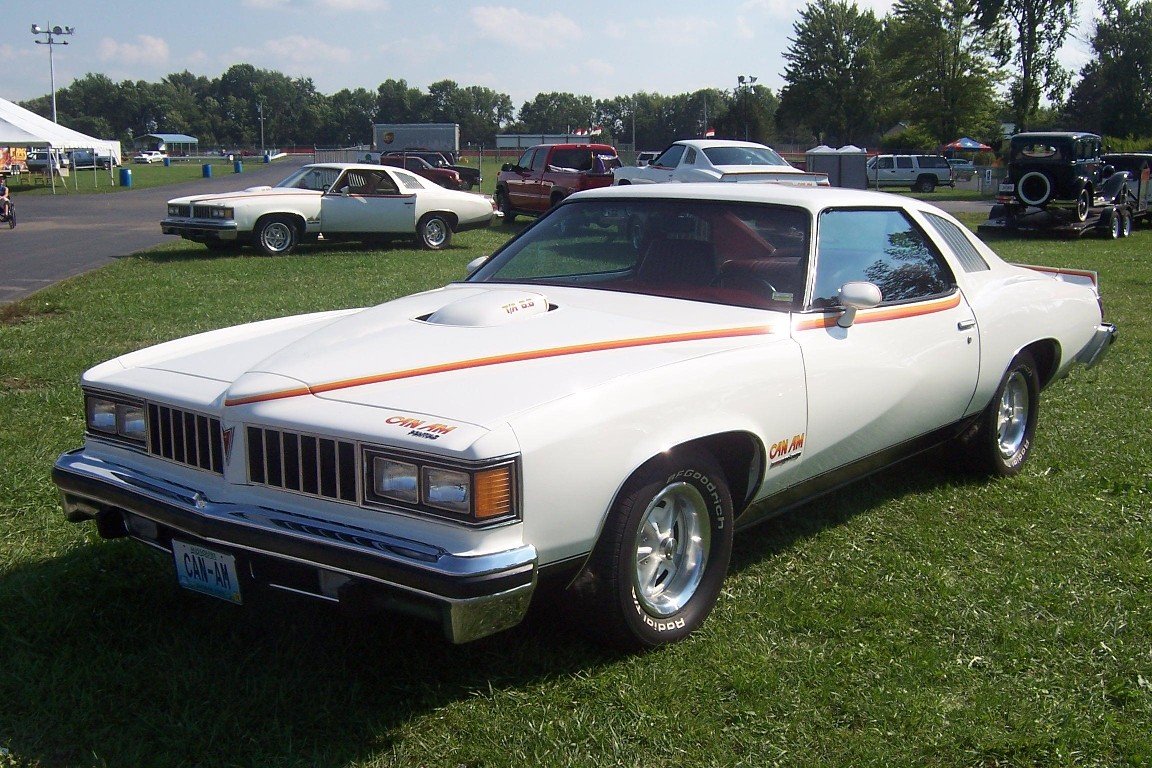
The Pontiac Can Am, produced in the late 1970s, holds a distinctive place in automotive history as a symbol of American muscle and innovation. Designed as a high-performance variant of the Pontiac Le Mans, the Can Am aimed to capture the spirit of the racing heritage while appealing to consumers seeking power and style on the road. Though its production run was brief, from 1977 to 1979, the Can Am’s legacy endures among automobile enthusiasts, largely due to its unique combination of performance and design.
What sets the Pontiac Can Am apart from other models in the Pontiac lineup is its performance-oriented features. It came equipped with a robust 400 cubic inch V8 engine, capable of producing impressive horsepower, which offered drivers an exhilarating experience behind the wheel. The aerodynamic styling, oversized tires, and sporty stance further emphasize its capabilities, making it a standout choice in an era dominated by fuel efficiency and economy cars.
The Can Am was not just a car; it was a testament to a specific era in American automotive design and performance philosophy. During the late 1970s, the automotive landscape was shifting due to changing consumer preferences and regulatory pressures. Despite these challenges, the Pontiac Can Am emerged with boldness, embodying the late muscle car ethos that continues to resonate with car collectors and enthusiasts today.
In final assessment, the Pontiac Can Am represents more than just another model in the Pontiac range; it symbolizes a passionate commitment to performance and individuality that defined a generation of car lovers. Its role within the broader context of automotive history remains significant, as it showcases the brand’s dedication to creating memorable driving experiences amidst a changing industry landscape.
The Story Behind the Pontiac Can Am’s Creation
The Pontiac Can Am emerged as a significant chapter in the history of American automotive engineering during the 1970s. As the U.S. automotive industry grappled with mounting pressures from fuel regulations and the shifting preferences of consumers toward more economical vehicles, Pontiac sought to carve out a niche within the performance segment. The vision behind the Pontiac Can Am was to create a high-performance sports car that would not only appeal to car enthusiasts but also re-establish the brand’s reputation for powerful vehicles.
Market conditions in the 1970s presented both challenges and opportunities. With the oil crisis of 1973 leading consumers to favor smaller, more fuel-efficient cars, Pontiac recognized a potential gap in the market for a performance vehicle that combined power and relatively efficient fuel economy. The excitement generated by muscle cars had not entirely dissipated, and Pontiac aimed to capture the lingering interest by presenting a car that paid homage to the muscle car legacy.
Key figures at Pontiac during this period realized that in order to stand out in a crowded marketplace, the Pontiac Can Am had to push the boundaries of performance. Inspired by the success of sports cars in racing circuits, engineers and designers collaborated to develop a vehicle that boasted a lightweight chassis and a robust engine, thus allowing for enhanced speed and agility. The decision to feature elements inspired by the racing world reinforced Pontiac’s commitment to performance-oriented vehicles, making the Can Am emblematic of the brand’s aspirations.
In summary, the creation of the Pontiac Can Am was driven by a combination of evolving market conditions, an intentional strategy by Pontiac to embrace performance, and the collaborative efforts of visionary engineers. This melding of ideas and necessity resulted in a vehicle that would leave a lasting impact on the automotive landscape and the hearts of enthusiasts alike.
Design and Features That Make the Pontiac Can Am Stand Out
The Pontiac Can Am, produced in the late 1970s, is renowned for its distinctive design that resonates with muscle car enthusiasts. This vehicle captivates not only with its performance but also through a visual aesthetic that embodies the era’s automotive culture. The Can Am’s design features include a sculpted hood and flared fenders that grant it a robust posture on the road, enhancing its muscular appearance.
The Pontiac Can Am boasted a diverse palette of color options, including striking hues like black, gold, and white. These color choices were not merely aesthetic; they were integral to the car’s identity. The contrasting colors accentuated the car’s bold graphics, which were often elaborately designed, drawing attention to its unique personality and making it stand out from competitors of its time.
In terms of performance specifications, the Pontiac Can Am was equipped with a powerful 400 cubic inch V8 engine, which delivered impressive horsepower and torque. This engine was coupled with a TurboHydramatic transmission, ensuring smooth shifting and stellar acceleration. When compared to contemporaneous vehicles like the Chevrolet Camaro and Ford Mustang, the Can Am’s specifications highlighted its prowess in the muscle car arena, offering a compelling alternative for performance-driven drivers.
Moreover, innovative features such as wide tires and a sport-tuned suspension set the Pontiac Can Am apart from others. These elements not only enhanced its handling capabilities but also offered drivers a thrilling experience behind the wheel. Such combinations of aesthetics, engine performance, and unique features draw a clear line between the Pontiac Can Am and other vehicles, reinforcing its legacy in the annals of automotive history.
Performance Metrics: What the Pontiac Can Am Brings to the Table
The Pontiac Can Am stands out in automotive history not only for its design but also for its impressive performance capabilities. Originally released in 1977, the Pontiac Can Am was equipped with a robust 400 cubic inch (6.6-liter) V8 engine, which produced a formidable 200 horsepower and substantial torque, reaching 360 pound-feet. This engine allowed the vehicle to accelerate from 0 to 60 miles per hour in just over eight seconds, a notable achievement for its time.
The responsiveness of the Pontiac Can Am on the road is another characteristic that deserves attention. Its unique muscle car structure, combined with a relatively lightweight design, ensured that drivers could enjoy a thrilling ride without compromising on handling. The vehicle’s suspension system was designed to provide an engaging driving experience, offering significant grip on turns and a smooth ride quality that still resonates with enthusiasts today.
In terms of comfort and technology, the Pontiac Can Am was equipped with features typical of its era, such as plush seating, optional air conditioning, and an advanced (for its time) stereo system. While it may not have the technological sophistication of modern vehicles, the Can Am embodied the spirit of 1970s muscle cars, focusing on power and driver satisfaction.
The Pontiac Can Am’s performance transcends mere numbers. It established a connection with drivers who valued raw power paired with an exhilarating driving experience. This vehicle is a representation of an era where performance metrics dictated car culture and helped solidify Pontiac’s place in automotive history. Through its blend of horsepower, torque, and engaging handling, the Pontiac Can Am remains an iconic symbol of performance in American muscle cars.
The Pontiac Can Am in Popular Culture
The Pontiac Can Am, a vehicle that embodies speed and style, has secured a notable place in popular culture. Its charismatic design and impressive performance have inspired filmmakers, musicians, and television producers alike, making it a notable icon that resonates with automotive enthusiasts and cultural historians.
One of the most significant instances of the Pontiac Can Am’s cultural impact can be traced to its appearances in various films. A particularly memorable mention is found in the 1979 action film “The Gumball Rally,” where the Can Am is showcased as a representation of American muscle and adventurous spirit. Additionally, this car has been featured in television shows, notably the ’80s series “Knight Rider,” which celebrated automobiles that not only provided speed but also embodied character. These media representations have played a crucial role in establishing the Pontiac Can Am as an aspirational vehicle, sparking the imagination of viewers.
Moreover, the Pontiac Can Am has influenced music, often referenced in songs that celebrate freedom and the open road. Artists in various genres have admired its design and power, leading to lyrics that evoke imagery of cruising down highways in a Can Am, enhancing its allure. This cultural presence has contributed substantially to the public perception of the Pontiac Can Am, framing it as more than just a car but a symbol of a lifestyle characterized by speed, adventure, and rebellion.
In conclusion, the Pontiac Can Am’s impact in popular culture is multifaceted, encompassing film, television, and music. Its status as a cultural icon continues to endure, highlighting the blend of automotive excellence and artistic representation that it embodies.
Collectibility and Market Value of Pontiac Can Am Today
The Pontiac Can Am, a limited-production muscle car from the late 1970s, has captured the hearts of automotive enthusiasts and collectors alike. Today, its market value reflects a combination of factors that contribute to its collectibility. One of the primary influences is the rarity of the model; only a limited number of Pontiac Can Am units were produced, making them a sought-after item among car collectors. The distinctive styling and performance characteristics of the Can Am further enhance its appeal, attracting not only ardent fans of the Pontiac brand but also new collectors looking for an iconic piece of automotive history.
The current pricing trends for the Pontiac Can Am indicate a steady appreciation over the years. As more collectors recognize the historical significance and unique features of the vehicle, demand has generally increased. Factors such as the condition of the car, its mileage, and original parts can significantly affect its market value. Well-maintained vehicles with low mileage tend to fetch higher prices, while those with modifications or extensive wear may see their values decrease. Additionally, regional differences in demand can influence pricing, with certain markets showing more enthusiasm for classic American muscle cars.
Moreover, the Pontiac Can Am benefits from its status as a symbol of a bygone era of automotive innovation and enthusiasm. Rare models and specific configurations, such as those with unique color options or special add-ons, can command premium prices among collectors. As the nostalgia for classic cars continues to grow, the potential for future appreciation in value remains promising. Collectors and enthusiasts alike are increasingly recognizing the Pontiac Can Am as not just a vehicle, but a cherished piece of American automotive heritage, solidifying its position in the collector car market for years to come.
Restoration and Maintenance Tips for Pontiac Can Am Owners
Restoring and maintaining a Pontiac Can Am requires both knowledge and resourcefulness. One of the most crucial steps in the restoration process is sourcing authentic replacement parts. Given the age of the Pontiac Can Am, many original components may no longer be in production. Enthusiasts are advised to search for parts at automotive salvage yards, specialized forums, and eBay, where vintage car parts can often be found. Joining Pontiac enthusiast clubs can also be a fruitful avenue for networking and acquiring rare parts.
Every Pontiac Can Am owner will face challenges as they work on restoration projects. Common challenges include rust repair, engine rebuilding, and finding matching paint. Owners should be prepared for the realities of potentially extensive restoration work. It is wise to assess the condition of the vehicle thoroughly before embarking on a restoration journey. Knowing which areas require immediate attention can save both time and resources.
In the realm of keeping your Pontiac Can Am in top condition, routine maintenance cannot be overlooked. Experts recommend following a regular service schedule, which includes checking fluid levels, brake inspections, and tire condition. Additionally, preserving the vehicle’s exterior through regular washing and waxing helps protect against the elements, preventing rust and decay.
Community support plays an equally important role in the maintenance of a Pontiac Can Am. Various online forums and social media groups allow owners to share tips, seek advice, and even find local mechanics who specialize in vintage Pontiac models. Engaging with fellow enthusiasts can provide invaluable knowledge and boost motivation throughout the restoration process.
The Future of Pontiac Can Am: Enthusiast Perspectives
The Pontiac Can Am, a symbol of American muscle and performance, continues to attract passionate enthusiasts who appreciate the model’s rich legacy. As the automotive landscape evolves, the outlook for the Pontiac Can Am remains vibrant, fueled by the dedication of car clubs, online communities, and automotive shows dedicated to preserving its unique heritage. These groups provide platforms for enthusiasts to collaborate, share insights, and celebrate the legacy of the Pontiac Can Am.
Across various online forums and social media platforms, aficionados discuss their appreciation for the Can Am’s distinctive styling and performance capabilities. Some enthusiasts focus on organizing meet-ups and car shows, which serve as a space to showcase restored Pontiac Can Am vehicles and connect with fellow fans. The enthusiasm surrounding the model has led to a renewed interest in restoration projects, with many owners seeking to revitalize their vehicles to pristine condition, ensuring future generations can appreciate the remarkable craftsmanship that defines the Pontiac Can Am.
Moreover, customization remains a prominent theme within the community. Enthusiasts are increasingly experimenting with modern modifications while maintaining the core elements that make the Pontiac Can Am iconic. This trend not only invigorates the owner experience but also allows for unique interpretations that meld classic automotive heritage with contemporary performance standards. By adjusting suspension, enhancing engine components, or updating interior features, fans strive to create personalized versions of the Pontiac Can Am that reflect their own tastes while respecting its legacy.
As the passion for classic cars thrives, the future of the Pontiac Can Am appears promising. With a robust network of dedicated enthusiasts and the potential for innovative restorations and modifications, this model is poised to endure in the automotive world for years to come.
Conclusion: The Enduring Legacy of the Pontiac Can Am
The Pontiac Can Am stands as a significant marker in the landscape of American automotive history. Launched in 1977, this iconic vehicle not only brought performance to the forefront but also served as a symbol of the muscle car era’s innovation and spirit. Its unique design and spirited performance have left an indelible mark on car enthusiasts, ensuring that the Can Am is not merely remembered as a car, but as a legendary icon.
One of the most compelling aspects of the Pontiac Can Am is the community that surrounds it. Enthusiasts and collectors share a common appreciation for the performance engineering and distinctive features that define this remarkable vehicle. Car shows, online forums, and restoration projects maintain not only the car’s physical presence but also its spirit and narrative. The community fosters a sense of belonging and pride, celebrating the Can Am’s performance and contributions to muscle car culture.
Moreover, the Pontiac Can Am embodies the ideals of freedom and individuality that resonate significantly with car lovers. Its rich history of performance excellence continues to inspire future generations of automotive designers and engineers, who aspire to create vehicles that capture the imagination just as the Can Am did in its heyday. Thus, the Pontiac Can Am stands as a reminder of what can be achieved when creativity meets engineering prowess. As new technologies develop, the legacy of the Can Am endures, reminding us of the exhilarating excitement that comes from the open road and the pursuit of automotive excellence.