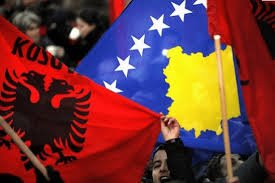
The historical relationship between kosovo albania unification is deeply rooted in a shared cultural, linguistic, and ethnic heritage that spans centuries. The Albanian population in Kosovo is predominantly composed of ethnic Albanians, who have historically viewed the territory as an integral part of their national identity. This bond intensified during the Ottoman Empire, which saw both Kosovo and Albania coexist under a common administrative structure, allowing for the mingling of customs and traditions.
During the late 19th and early 20th centuries, the rise of nationalism in the Balkan region began to shape the identities of these territories. The Congress of Berlin in 1878 was a pivotal moment for both Kosovo and Albania, as it sparked aspirations for autonomy and national unification among various ethnic groups. The Albanian Declaration of Independence in 1912 marked a significant turning point, which was met with resistance from neighboring states, including Serbia, particularly regarding Kosovo’s integration into the newly formed Albanian state.
The 20th century was marked by various conflicts and political changes that further complicated the relationship between Kosovo and Albania. The establishment of communist regimes after World War II reshaped the political landscape in the Balkans, often marginalizing ethnic Albanian rights in Kosovo, which remained part of the former Yugoslavia. Tensions escalated throughout the late 20th century, culminating in the Kosovo War of 1998-1999, which revealed the stark divisions and the desire for self-determination among ethnic Albanians.
Today, the concept of Kosovo-Albania unification continues to resonate in discussions on political and social unity. The shared history of these two entities fosters aspirations for closer ties based on mutual identity, culture, and the experiences of their people during significant historical events. Understanding this backdrop is essential for grasping the complexities of contemporary discussions surrounding Kosovo and Albania, as they navigate their paths toward potential unification in an increasingly interconnected world.
Current Political Landscape
The political landscape in Kosovo and Albania continues to evolve, significantly impacting the discussions surrounding the potential for Kosovo Albania unification. In Kosovo, the government has focused on establishing its sovereignty and enhancing international recognition. The ongoing dialogue with Serbia remains a critical issue, as the normalization of relations is seen as vital for furthering Kosovo’s ambitions for global integration, particularly with the European Union.
Meanwhile, Albania seeks to fulfill its aspirations for EU membership, which involves aligning its economic and political frameworks with EU standards. Recent governmental efforts have been directed toward reforms that would facilitate closer ties with European institutions. The desire for integration into the EU not only fosters a cooperative approach between Albania and Kosovo but also encourages dialogue regarding unification. The growing public support for a unified Albanian state has surfaced in recent years, reflected in various polls indicating an increased acceptance of this notion among the populations.
On the flip side, both regions are also confronted with eurosceptic sentiments. Criticism regarding the efficacy of the EU’s assistance and doubts about its long-term stability have led to a faction that questions the benefits of integration. This sentiment can complicate the discourse around unification as both populations weigh the benefits of a unified front against the backdrop of potential external instability. Political parties in Kosovo and Albania are thus navigated through these complex dynamics, some advocating for a path towards unification while others remain cautious of the socio-political implications involved.
As these political currents continue to unfold, they exemplify an integral part of the discussion regarding Kosovo-Albania unification, influencing both regional governance and international relations.
Public Opinion on Unification
The issue of Kosovo-Albania unification has increasingly captured the interest of researchers, analysts, and policymakers. Various surveys have been conducted to gauge public sentiment regarding this matter. The results often reveal a complex tapestry of opinions, influenced by demographic factors such as age, education, and political affiliation.
Recent studies indicate that among younger generations, particularly those under 30, there is a notable majority advocating for the unification of kosovo albania unification. This demographic appears to see the historical and cultural ties as a crucial basis for their support. A survey by the Institute for Social Research in Pristina found that around 68% of respondents aged 18-29 favored a unified Albanian state, which underscores the influence of national identity in their worldview.
In contrast, older generations, who have lived through the tumult of the Balkan wars, display more caution regarding the concept of unification. Many in this demographic express concerns about regional stability and governance structures, viewing a union as potentially destabilizing. Political affiliation also plays a significant role; individuals associated with nationalist parties are generally more supportive of Kosovo-Albania unification compared to those aligned with moderate or more stable viewpoints.
The impact of media and social discourse cannot be overlooked. While traditional media coverage often emphasizes the potential benefits of unification, social media platforms present a diverse array of opinions, sometimes deepening divisions. Hence, public sentiment remains varied, shaped not only by historical narratives but also by ongoing socio-political dynamics.
Understanding public opinion on the subject of Kosovo-Albania unification involves acknowledging these differing perspectives. The dialogue surrounding unification continues to evolve, reflecting changing attitudes among various demographic groups and political landscapes.
International Relations and Recognition Issues
The path towards Kosovo Albania unification is significantly influenced by the complex landscape of international relations and the recognition of Kosovo’s sovereignty. Since declaring independence in 2008, Kosovo has garnered recognition from over 100 countries, including major powers such as the United States and the majority of EU member states. However, critical nations such as Russia and China have consistently opposed this recognition, viewing Kosovo’s status as a potential precedent for separatist movements within their own borders.
This geopolitical tug-of-war complicates the prospects for unification with Albania, as both nations aspire to align their interests with international sentiment. The European Union plays a pivotal role in this framework. While it has facilitated dialogue between Kosovo and Serbia, it remains cautious about endorsing any moves towards unification, fearing that such actions might destabilize the already fragile regional dynamics. The EU’s firm stance against border changes is grounded in its desire to maintain peace and stability in the Balkans.
Additionally, neighboring countries influence the discourse surrounding Kosovo’s aspirations. Serbia, which does not recognize Kosovo’s sovereignty, is a key opponent of any form of unification with Albania. The positions of other Balkan states, such as Montenegro and North Macedonia, also factor into the equation, as they weigh the potential implications of Kosovo undermining regional unity. The aspirations of Kosovo Albanians for unification resonate deeply within the community; however, the realistic execution of such a vision necessitates navigating numerous international layers of diplomacy and recognition issues.
Economic Considerations of Unification
The discussion surrounding the potential Kosovo Albania unification often centers on various socio-political dimensions; however, the economic implications are equally significant. One of the most promising prospects of this unification is the potential for enhanced economic collaboration between the two regions. By merging their markets, Kosovo and Albania could create a larger consumer base, facilitate increased trade opportunities, and attract foreign investments. This integration could greatly reduce trade barriers, leading to a more efficient allocation of resources and improved economies of scale.
Moreover, aligning the economic frameworks of both regions could result in a stronger negotiating position in international trade. Kosovo, still grappling with the aftermath of its recent independence, could benefit from Albania’s more established economic systems. For instance, Albania has seen significant improvements in its infrastructure development, which could be leveraged by Kosovo to enhance its connectivity with regional and global trade networks.
However, the pursuit of Kosovo Albania unification does not come without its challenges, particularly concerning the disparities in economic development between the two areas. Kosovo currently faces a high unemployment rate and a larger informal economy, which poses risks to future economic stability and integration. Furthermore, the differences in political and regulatory frameworks could complicate the unification process. Addressing these disparities will be essential for realizing the full economic benefits of unification.
In conclusion, while the economic aspects of Kosovo-Albania unification present significant opportunities for growth, they also require careful consideration of the existing challenges. By fostering collaboration and addressing developmental gaps, both regions can work towards realizing a more prosperous future together.
Cultural Unification and Identity
The concept of Kosovo Albania unification is highly intertwined with cultural identity, which plays a vital role in shaping the aspirations of the Albanian people in both regions. The shared heritage of language, customs, and traditions fosters a sense of belonging that transcends geographical boundaries. The Albanian language, spoken across Kosovo and Albania, serves as a unifying factor, reinforcing communication and cultural exchange. This linguistic bond is crucial as it enables a unified narrative among the Albanian population.
Traditions such as music, dance, and culinary practices further exemplify the cultural similarities that exist between the two territories. Folklore and celebrations highlight a common cultural fabric that strengthens the argument for unification. Events and festivals celebrated jointly amplify cultural ties, promoting cooperation and understanding among communities. These social practices foster relationships that reinforce the sentiment of shared identity and history.
Moreover, cultural identity plays a significant role in the political discourse surrounding Kosovo-Albania unification. As populations emphasize their common roots and historical connections, the desire for political union becomes increasingly prevalent. The societal push for cultural unification creates a conducive environment for discussions on future governance, education policies, and shared public services. This emerging thought process is critical in nurturing a collective identity aimed at solidifying the case for unification.
The essence of Kosovo-Albania unification extends beyond mere geographical or political dimensions; it encapsulates the long-held sentiments of a collective heritage. By embracing their cultural identity, the people of Kosovo and Albania can navigate the complexities of modern statehood while celebrating their shared past. This unity stands as a testament to the resilience and enduring spirit of the Albanian people, driving them toward a potential future of integration that honors their rich cultural tapestry.
The Role of the Youth in the Unification Debate
The role of the youth in the discourse surrounding Kosovo-Albania unification is a vital one, as it encapsulates a generation that is increasingly engaged in political activism and social movements. With access to technology and social media, young people in both kosovo albania unification are utilizing these platforms to express their views, mobilize support, and challenge prevailing narratives about unification. Their voices are critical, not only in shaping public opinion but also in influencing policy discussions on this contentious issue.
Activism among the youth has taken various forms, from organized protests to online campaigns advocating for or against Kosovo-Albania unification. Numerous youth organizations have emerged as essential players in this debate, actively engaging their peers in discussions about identity, nationalism, and the potential benefits or drawbacks of unification. These organizations provide a structure for participation and ensure that the perspectives of young individuals are represented in a matter that directly affects their future.
Additionally, the role of social media cannot be understated. Platforms like Facebook, Twitter, and Instagram serve as essential tools for youth discourse, allowing for the rapid dissemination of information, grassroots organizing, and the fostering of community around shared goals. Young people are increasingly creating content that highlights their aspirations for a unified Kosovo and Albania narrative, reflecting a deep-rooted desire for political and cultural cohesion. However, voices against unification are also prevalent, showcasing the diversity of opinions among younger generations.
This dynamic among youth reflects deeper societal trends and informs us about the future of Kosovo-Albania unification discussions. As young people navigate complex identities and political landscapes, their engagement will undoubtedly shape the breadth of strategies and solutions that emerge. Their perspectives will be instrumental in determining whether the dream of unification grows closer or remains an ongoing debate in the years to come.
Challenges Facing Kosovo-Albania Unification
The pursuit of Kosovo-Albania unification is fraught with numerous challenges that stem from a mix of political, social, and economic factors. First and foremost, the entrenched national identities in both regions pose a significant barrier to progress. While many Albanians view Kosovo as an integral part of their historical and cultural heritage, not all citizens of Kosovo are aligned with this perspective. Some identify strongly with their status as an independent state, leading to division among the populace over potential unification.
Adding complexity to the situation are the international laws and agreements that govern the autonomy and territorial integrity of states. The sovereignty of Kosovo, which declared independence from Serbia in 2008, remains unrecognized by several countries, including Serbia, Russia, and some EU members. This lack of recognition complicates any dialogue regarding unification, as it involves navigating a political landscape shaped by geopolitical interests and historical grievances. Furthermore, the international community’s stance on such unification efforts impacts the legitimacy and viability of any proposed political initiatives.
Economically, the prospect of unification raises questions about the integration of Kosovo’s economy with that of Albania. Significant disparities in economic development, infrastructure, and public services could result in tensions if unification were pursued without careful planning and resource allocation. Addressing these disparities will be vital to ensure a seamless transition and to mitigate socioeconomic inequalities that could arise post-unification.
In conclusion, the Kosovo-Albania unification faces substantial challenges that need to be meticulously addressed. Political entrenchments, social dynamics, and economic disparities require thorough consideration and strategic planning, which are essential for any successful integration between Kosovo and Albania.
A Vision for the Future
The aspiration for Kosovo Albania unification has gained significant traction among various segments of the population. Advocates emphasize the historical, cultural, and linguistic ties that bind the Albanian communities in Kosovo and Albania, arguing that unification could foster a more stable and prosperous region. The vision for the future hinges on a gradual, strategic approach leading to the eventual political alignment of Kosovo with Albania.
A collaborative framework will be essential to realize this vision. Initial steps could include enhancing bilateral relations through economic partnerships, cultural exchanges, and educational collaborations. These initiatives not only strengthen communal bonds but also promote a shared identity, which is a foundational aspect of any unification process. Encouraging grassroots movements will provide a strong platform for dialogue, allowing both populations to voice their aspirations, concerns, and expectations regarding the future.
Timeframes for potential unification could vary based on the political landscape, public sentiment, and international diplomatic engagements. Short-term goals may involve establishing joint institutions that serve both Kosovo and Albania, while long-term objectives could see greater political integration. It remains crucial for leaders from both regions to engage in constructive discussions that address issues of sovereignty, governance, and security.
Moreover, the prospect of EU integration could serve as a motivating factor in pursuing Kosovo-Albania unification. As both entities aspire for membership, aligning policies and frameworks could facilitate a smoother path towards unity. Ultimately, the advocates of this vision maintain that the unification process is not only a matter of political governance, but also a profound expression of shared identity and heritage.