The Waffen SS uniform, a distinctive attire within the Nazi regime, serves as a poignant representation of both military culture and the ideological underpinnings of World War II. Originating as the armed wing of the SS (Schutzstaffel), the Waffen SS saw its initial formation in the early 1930s, primarily to provide security for Nazi leaders and facilitate governmental oppression. However, as World War II escalated, its role evolved to encompass a broader military function, integrating various elite divisions into the German armed forces.
The design of the Waffen SS uniform was meticulously crafted, emphasizing both functionality and a sense of belonging to an elite fighting force. The dark color scheme, typically featuring a black or field grey backdrop, was not merely aesthetic but symbolized the austere and menacing presence of this military unit. Accompanied by specific insignia and regalia, such as the SS runes, the uniform was designed to instill a sense of discipline and loyalty among members, while simultaneously projecting fear to those who opposed the Nazi regime.
Throughout the course of the war, the Waffen SS uniform became emblematic of a controversial legacy—representing not just the fighting prowess of its soldiers but also their complicity in the atrocities committed during the Holocaust and other war crimes. As such, the uniform transcended its functional purpose, becoming a potent symbol associated with both valor and infamy. Its impact on military culture remains a subject of profound reflection, prompting discussions about the deeper meanings hidden within its fabric, as well as the moral implications tied to its use.
Historical Origins and Development
The Waffen SS uniform, emblematic of one of the most controversial military organizations in modern history, underwent significant evolution from its inception in the early 20th century to its manifestation during the Second World War. Initially, the SS (Schutzstaffel) was established as a personal protection unit for Adolf Hitler, and its members donned uniforms that were heavily influenced by the broader militaristic fashion of the time, reflecting the German Army’s aesthetic values.
The design of the Waffen SS uniform was shaped by various factors, including political aspirations, military effectiveness, and cultural symbolism. In the 1930s, as the SS sought to convey an image of elite status and ideological superiority, uniforms were refined. The incorporation of high-quality materials and distinct insignia helped establish a visual category that set the Waffen SS apart from regular Wehrmacht soldiers.
By the onset of World War II, the Waffen SS uniform had evolved remarkably, incorporating functional elements suitable for combat, such as the use of camouflage patterns that contrasted sharply with more traditional military attire. This transition can be viewed as a response to the evolving battlefield conditions and a strategic decision to enhance operational effectiveness. The distinctive color schemes and insignias not only bolstered the identity of the Waffen SS but also became a tool of propaganda, representing ideals of strength and loyalty aligned with the Nazi regime.
In summary, the historical trajectory of the Waffen SS uniform reflects a complex interplay of tradition and innovation, revealing the underlying motivations that guided its development. From its origins to its wartime iterations, the uniform symbolized an amalgamation of military prowess, ideological fervor, and the aesthetic selected by the Nazi hierarchy to distinguish their elite forces from the rest of the military establishment.
Key Components of the Uniform
The Waffen SS uniform, emblematic of the elite military branch of Nazi Germany, possessed a remarkable array of components that both symbolized authority and served practical purposes. Central to the uniform was its distinctive insignia, which was pivotal in denoting rank and affiliation. The SS emblem, featuring the double lightning bolts (SS) and the death’s head skull (Totenkopf), represented loyalty and death in battle. These symbols helped distinguish members from regular military personnel, effectively elevating their status within the Nazi regime.
The color scheme of the Waffen SS uniform was particularly striking, primarily composed of black and silver-grey. Black was chosen not only for its stark and intimidating aesthetic but also for its association with power and strength. Different shades of grey indicated various functions within the ranks. For instance, the field grey worn by front-line troops contrasted with the black uniforms of the elite SS divisions, emphasizing their role as an elite force.
Accessories played a crucial role in enhancing the functionality of the uniform. Items such as leather belts, gloves, and boots were specifically designed for durability and military efficacy. The belt buckle often showcased additional insignia, reinforcing the wearer’s commitment to the SS ideology. Variations in uniforms also existed based on rank and specific roles; higher-ranking officers sported elaborate insignia alongside intricate badges and medals, which communicated their accomplishments and authority on the battlefield.
Moreover, the Waffen SS uniform adapted to different operational requirements. For instance, camouflage variants emerged for units engaged in combat, providing both concealment and practical needs appropriate for various terrains. This adaptability reflects the military’s foresight in maintaining effectiveness while fostering an identity through uniformity, an essential aspect of the organization throughout its contentious history.
Symbolism and Propaganda
The design of the Waffen SS uniform served not only practical functions but also as a vital tool for propaganda, reflecting the ideologies championed by the Nazi regime. The uniform’s colors, materials, and insignia were strategically chosen to convey a sense of unity and superiority among its wearers. Dark tones, primarily black and field grey, were selected to evoke a sense of authority and fear, while the use of sharp, clean lines in the design contributed to an image of discipline and order.
Furthermore, the Waffen SS uniform distinguished itself from regular army attire, emphasizing the elite status of its possessors. This differentiation was pivotal; the Nazis wanted to project an image of an avant-garde military force that was distinct from the traditional Wehrmacht. Insignia and badges adorning the uniform were not mere decorative elements; they signified ranks, achievements, and allegiance to the party, instilling a notion of belonging and purpose within the force. Such symbolism was crucial in solidifying the ideological foundations of the SS as a supreme body dedicated to the defense of the Fatherland and its racial purity.
The fomenting of camaraderie and loyalty through the Waffen SS uniform extended beyond mere appearance. The military attire was deliberately crafted to resonate with the public and encourage enlistment, idealizing notions of bravery, sacrifice, and honor. The propaganda surrounding the uniform portrayed the SS as the pinnacle of Germanic virtue, thereby attracting those seeking to partake in what was represented as a noble, transformative mission. In this sense, the aesthetic element of the uniform was not incidental; it was a manifestation of a broader strategy aimed at invoking emotional responses and shaping societal perceptions in alignment with Nazi ideologies.
The uniforms worn by the Waffen SS were distinct from those of the Wehrmacht and other branches of the German military, reflecting not only their operational philosophies but also their ideological underpinnings. The Waffen SS, founded as the military wing of the SS, aimed to project an image of elite discipline and unwavering loyalty to the Nazi regime, which was mirrored in their uniform design.
One of the most noticeable differences between the Waffen SS uniform and that of the Wehrmacht was the color scheme and insignia. The Waffen SS uniforms were often designed in gray and black, with distinctive insignia that included the death’s head skull symbol, projecting a stark and intimidating appearance. On the other hand, the Wehrmacht uniforms typically consisted of field grey, which was practical and functional for combat situations, signifying an emphasis on soldierly duty and operational effectiveness.
Moreover, while both branches incorporated elements of militarism in their uniforms, the Waffen SS’s sartorial choices were more elaborate. They opted for tailored fits and ornamental details that signified their self-perceived superiority, echoing a philosophy that distinguished them as a special force committed to the ideals of the Nazi party. In contrast, the Wehrmacht uniforms prioritized utility and practicality, focusing on comfort and functionality over sheer aesthetics.
Furthermore, the distribution of insignia differed considerably. The Waffen SS boasted a variety of rank insignia that demonstrated not only hierarchy but also a sort of elitism within their ranks, while the Wehrmacht focused on traditional military rank often associated with centuries of German military culture.
In essence, the differing uniforms of the Waffen SS and Wehrmacht illustrate contrasting values: the former representative of ideology and elitism, and the latter prioritizing military tradition and functionality. Understanding these nuances in uniform design helps to comprehend the overall symbolism and role of these military branches in the historical context of World War II.
Cultural Impact and Legacy
The Waffen SS uniform, originally designed for elite forces within the Nazi regime, has left an enduring impact on cultural memory and identity long after the fall of the Third Reich. Its distinctive design, characterized by its tailored silhouette and use of insignia, has become a potent symbol within various spheres, including fashion and media. The complex legacy of the uniform reflects a duality, where it is simultaneously revered and reviled.
In contemporary discourse, the Waffen SS uniform is often invoked in discussions about totalitarianism, militarism, and individual agency. The representation of this uniform in films, literature, and art frequently provokes intense debates about its implications. While some narratives seek to portray the human cost of its associated ideology, others may inadvertently glamorize the aesthetics of the uniform, contributing to a troubling romanticization of its historical context.
Moreover, the enduring fascination with the Waffen SS uniform extends beyond media representation; it has seeped into fashion circles as well. Instances of designers incorporating elements reminiscent of military attire into their collections raise ethical questions regarding cultural sensitivity and the boundaries of artistic expression. This crossover into the fashion world prompts a reevaluation of how symbols associated with oppressive regimes can be repurposed, challenging societal norms and personal beliefs.
Importantly, the legacy of the Waffen SS uniform also evokes feelings of memory among individuals and communities affected by its history, leading to a broader discussion of how societies reckon with their pasts. As a visual marker of memory, the uniform becomes a focal point for understanding identity, collective trauma, and the ways in which history is preserved and interpreted. Communities continue to grapple with the implications of this ambivalent symbol, striving to find meaningful ways to contextualize its existence within a modern framework.
Collectibles and Historical Context
The Waffen SS uniform has become a focal point for collectors and historians alike, symbolizing not only a significant period in military history but also the complex narratives surrounding the Second World War. As a collectible, these uniforms hold considerable historical value, often sought after for their authenticity, craftsmanship, and the stories they embody. Enthusiasts and collectors frequently pursue original uniforms, insignia, and related artifacts to curate displays that honor or analyze the history of the SS.
However, the market for Waffen SS uniforms raises important ethical questions. The association with the Nazi regime and its atrocities adds a layer of moral complexity. Collectors often grapple with the implications of owning such items, contemplating whether their acquisition serves to preserve history, glorify a dark past, or trivialize the experiences of those who suffered under the regime. This dilemma places a heavy responsibility on collectors and institutions alike to navigate the presentation of these artifacts with sensitivity.
For historians, Waffen SS uniforms are valuable resources that contribute to a deeper understanding of military strategies, societal roles, and the consequences of ideological warfare. They are often studied in context within research on totalitarian regimes. Additionally, many museums showcase these uniforms, providing a platform for educational exhibits that foster discussions about the impact of the SS and the ethical considerations surrounding militaria collection.
Visiting these institutions gives the public an opportunity to engage with history in a tangible way. Expositions often include replicas alongside authentic pieces, allowing for a comprehensive comparison that highlights the intricacies of design and modification over time. The display of Waffen SS uniforms in such settings is critical for promoting discourse about the past, underlining the need for critical reflection on historical narratives and their representation in today’s society.
The Waffen SS uniform has long been a topic of heated debate and controversy, largely due to its connection with one of the most notorious military forces in history. As an emblem of the Schutzstaffel, or SS, the garments worn by these soldiers are imbued with theories and narratives that evoke strong emotional responses. The visual impact of the Waffen SS uniform, characterized by its distinct insignia and militaristic stylings, continues to resonate in both historical discussions and contemporary social settings.
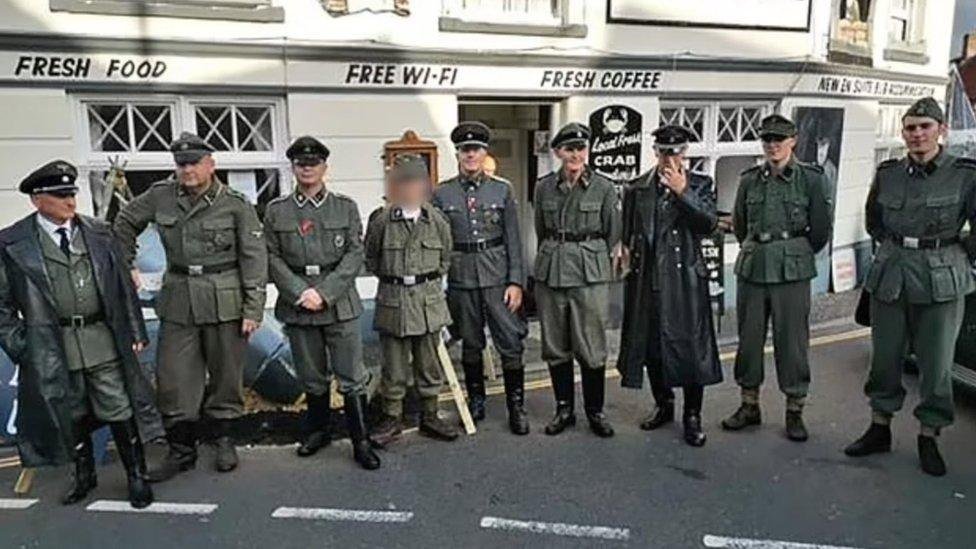
In recent years, the preservation and display of the Waffen SS uniform have raised serious moral and ethical questions. This stems partly from the ongoing discussions surrounding neo-Nazi groups, which often exploit symbols and uniforms from the past to promote their ideologies. Such groups may use the Waffen SS uniform as a means to provoke and assert their views, thereby perpetuating divisive and harmful narratives that arise from a dark chapter in history. This misuse of historical military garb for modern extremist agendas complicates efforts to accurately understand the context of such uniforms.
Furthermore, the implications of wearing a Waffen SS uniform today extend beyond mere historical reenactment. Such acts can be perceived as glorification of a violent past, triggering backlash among communities, particularly those affected by the atrocities committed during World War II. Individuals donning these uniforms in modern contexts, whether consciously or not, engage in a form of cultural insensitivity that challenges the collective memory of historical trauma. As such, the discussions surrounding the Waffen SS uniform not only involve historical analysis but also necessitate an examination of contemporary social responsibilities and the importance of historical awareness.
Conclusion and Final Thoughts
The Waffen SS uniform stands as a poignant symbol within historical discourse, reflecting the duality of military pride and the dark legacy of the Nazi regime. Initially designed to project a sense of elite status and distinctiveness, the uniform became inextricably linked with the atrocities committed during World War II. Its aesthetics, rooted in meticulous design and functionality, resonated with soldiers who perceived it as a mark of honor. However, as historical analysis uncovers, the meaning behind the uniform morphs dramatically when viewed through the lens of the regime’s policies and actions.
In contemporary discussions, the Waffen SS uniform evokes a complex spectrum of interpretations. While some may view it as a relic of military history or a collector’s item, others perceive it as a direct representation of malice and horror. This juxtaposition challenges us to confront the uniform not solely as fabric and insignia, but as an artifact that encapsulates the profound consequences of ideology and warfare. The connections to themes such as nationalism, identity, and militarism provide significant grounds for reflection on how symbols can transcend their original intent and take on new meanings.
Ultimately, the historical significance of the Waffen SS uniform serves as a reminder of the past’s weight on the present. It reinforces the need for continued dialogue around the lessons learned from history, ensuring that such symbols are understood in their appropriate contexts. As society navigates the complexities of remembrance and interpretation, the Waffen SS uniform will undoubtedly remain a controversial topic, prompting discussion around authority, memory, and the responsibilities that come with understanding history.